YouTube is not limited to English-speaking audiences. The Asia-Pacific region alone accounts for at least 30% of all YouTube views — and India leads with 450M+ users, ahead of the United States.
If your content only speaks to one language market, you may be leaving millions of potential viewers and subscribers on the table.
The good news: you can reach global audiences without reshooting every video or massive production costs. In 2026, viewer satisfaction remains the primary ranking signal — so localized content must still deliver genuine value, not just translated metadata.
This guide covers four strategies that work, plus tools from Van Gogh Studio to scale production.
Quick Verdict
To reach global YouTube audiences in 2026, start by identifying your top international markets in YouTube Analytics. Then localize with multilingual subtitles, AI voice dubbing, or dialogue-free formats (ASMR, lo-fi, visual tutorials). Use Shorts with trending global music for discovery. Metadata in local languages still helps as a supporting signal — but every localized version must satisfy viewers, not just translate words. Use Van Gogh Studio Agent and image-to-video to scale production across languages.
Why Should Your Videos Be Tailored for Global Audiences?
English-speaking countries like the US and UK do not have the highest number of YouTube users. Brazil, Mexico, Japan, and Germany all have substantial audiences — and roughly 60% of uploaded YouTube videos are in non-English languages.
Millions of viewers who do not speak English fluently have no reason to watch or subscribe if they cannot understand your content.
Why global content matters in 2026:
- Untapped subscriber growth in high-population markets.
- Stronger session contribution when viewers binge localized playlists.
- Metadata in target languages helps YouTube match content to regional search intent — a supporting signal alongside viewer satisfaction.
Even small channels can boost subscriber numbers by serving 2–3 key language markets instead of one.
Before localizing, identify where your viewers already come from. Use the YouTube analytics guide to review geographic data, then plan topics with the YouTube idea generator.
For SEO fundamentals that apply across languages, read the YouTube SEO guide.
Which Native Market Watches Your Videos the Most?
Before changing your content strategy, find out where your international viewers already come from.
It is not practical to localize for all 150+ languages — narrow to your top 2–3 markets.
How to identify target markets:
- Check YouTube Analytics → Audience → Geography for country-level data.
- Ask viewers to comment where they are from — boosts engagement too.
- Review which videos already perform well internationally; evergreen how-tos and tutorials localize best.
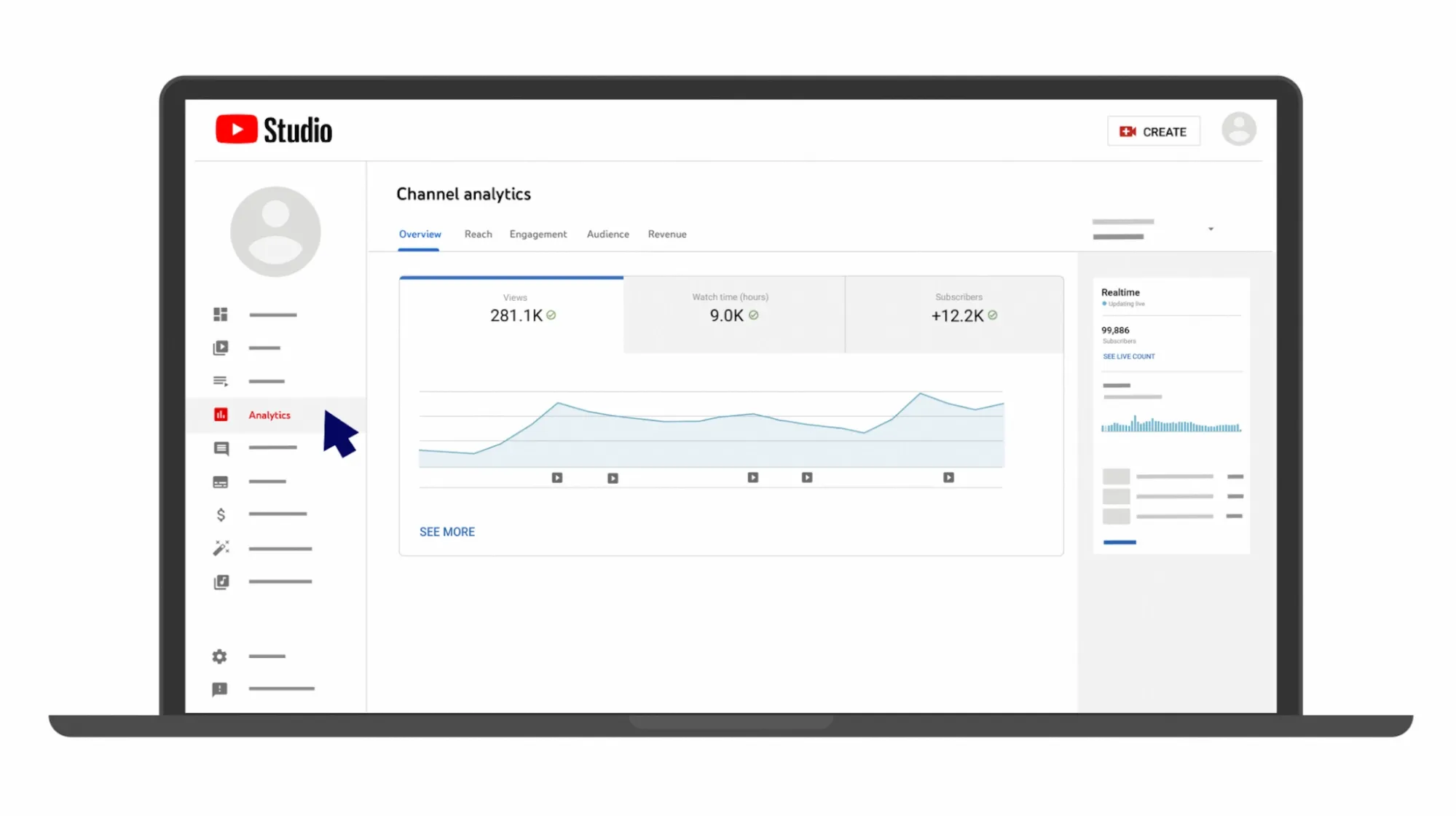
Once you know your priority markets — say, Spain and Mexico for Spanish — rank them by viewer interest and engagement.
Create unique openings with the YouTube intro generator to welcome international audiences in their language.
Add Multilingual Subtitles To Your Videos
YouTube auto-generates captions in your video's default language. You can add subtitles in additional languages during upload or via YouTube Studio.
Two approaches:
- Upload a transcript file — YouTube auto-syncs timing.
- Type subtitles manually — More work, but better accuracy for non-English text.
Subtitles remove language barriers without reshooting. They also improve accessibility and can boost retention for viewers who watch without sound.
Pair subtitle strategy with keyword-optimized titles per language using How to rank #1 with YouTube keyword research.
Localize Your Videos with AI
AI voice dubbing lets you recreate videos with natural-sounding voiceovers in multiple languages — without hiring translators for every upload.
Workflow:
- Write a full transcript of the original video.
- Generate localized visuals and AI avatar narration with lip-syncing.
- Upload separate language versions or use YouTube's multi-language audio track feature.
Use Van Gogh Studio's image-to-video and Agent to produce localized variants at scale. This approach works especially well for explainers, tutorials, and faceless content.
For faceless and scripted formats, see How to write a YouTube video script.
Produce Shorts with Trending Music
YouTube Shorts reach global audiences through a dedicated feed — often faster than long-form content.
Incorporating trending music gives your Shorts a spot on that song's featured page, where curious global viewers discover creator content.
Tips:
- Check global music charts — not just your local trends.
- Create Shorts that visually match the song's mood and energy.
- Link Shorts to long-form videos via the Related Video feature for session contribution.
Clone and adapt trending Shorts with Van Gogh Studio Agent — paste a URL, describe your changes via chat, and get a publish-ready clip.
For Shorts-specific growth tactics, read How to go viral on YouTube Shorts and How to make YouTube Shorts go viral.
Keep Audience Engaged with Your Content
Create community posts, teasers, and visual updates with Van Gogh Studio to keep your audience active between uploads — in every language market you serve.
Create Videos with No Dialogue
The simplest way to remove language barriers: create content that does not require spoken words.
Popular global formats include lo-fi music channels like @LofiGirl, ASMR, ambient livestreams, and visual-only tutorials.
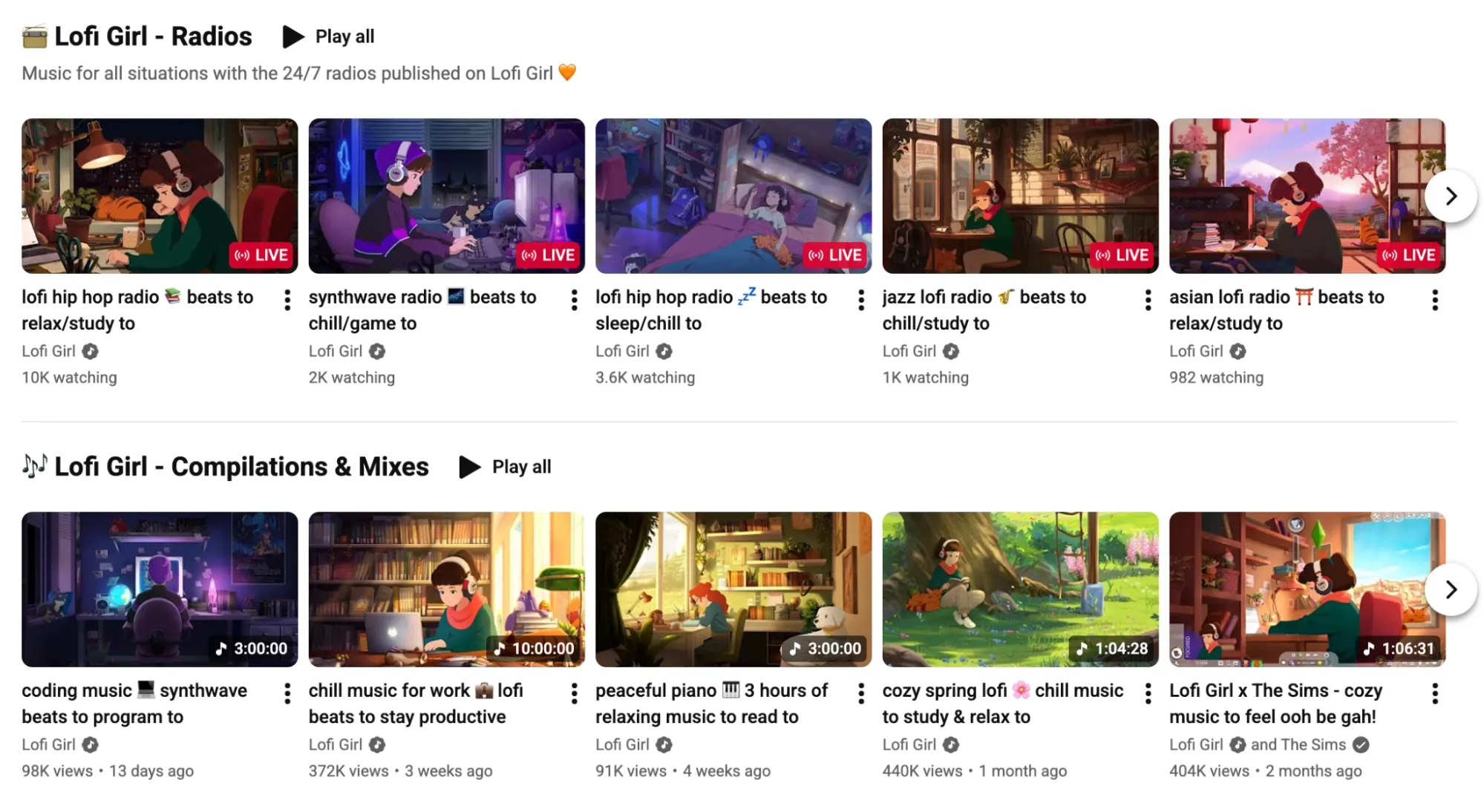
These videos can run as livestreams, earning passive views around the clock.
Use Van Gogh Studio's AI image generator to create looping backdrops and image-to-video to animate static scenes into captivating visuals.
Dialogue-free content still needs strong thumbnails — see Types of YouTube thumbnails for design patterns that work globally.
Conclusion
Global YouTube content requires extra effort, but the rewards — subscribers, views, and monetization across markets — can be substantial.
Start with analytics, pick your top 2–3 languages, and choose a localization method that fits your workflow: subtitles, AI dubbing, Shorts, or dialogue-free formats.
Remember: metadata in local languages helps discovery, but viewer satisfaction decides whether localized content gets recommended widely. Explore Van Gogh Studio to streamline multilingual production.
You might also like
How to Grow Your YouTube Channel in 2026
A step-by-step growth roadmap including audience targeting and consistent publishing.
YouTube SEO Guide: Optimize Videos for More Views
Optimize titles, descriptions, and tags — including localized metadata for international search.
How to Get More Views on YouTube: 12 Best Tips
12 proven tactics for steady view growth including Shorts and cross-promotion.
How to Go Viral on YouTube in 2026
Virality strategies that work across languages when content delivers genuine value.
How to Rank #1 with YouTube Keyword Research
Find high-intent keywords in every target language and market.
How to Make YouTube Shorts Go Viral
Shorts-specific tactics for global discovery via trending audio and hooks.
Create AI videos free
Try Van Gogh Studio free — text-to-video, image-to-video, and 300+ models in one place. Free credits on signup, no credit card required.
Try Free Video Generator