Want an ad-free experience? Upgrade your plan.

Transform your ideas into stunning, cinematic videos with state-of-the-art AI models. We tested dozens of platforms so you don't have to.
100% Free to Start | No Credit Card Required
AI video generation has completely transformed the way creators, marketers, and businesses produce content. Just a few years ago, creating a professional-quality video required expensive equipment, a skilled production team, and hours of post-production editing. Today, a single text prompt or a static image is all you need to generate a stunning, cinematic video in minutes.
The market for free AI video generators has exploded in 2026, with dozens of platforms offering everything from simple text-to-video conversion to complex multi-scene long-form video production. Whether you are a YouTube content creator, a digital marketer, an online educator, or simply someone who wants to bring a creative idea to life, there is an AI video tool designed for your needs.
In this comprehensive guide, we have tested and reviewed the top 10 free AI video generators available today, comparing their features, output quality, ease of use, and pricing structures. We also introduce Van Gogh Studio as our top recommendation — a platform that brings together multiple industry-leading AI models under one roof.
IMPORTANT NOTES
When using AI video generators, always review the generated content before publishing. Be mindful of copyright when using reference images that belong to third parties. Use these tools ethically and in accordance with each platform's terms of service. For commercial use, ensure you understand the licensing terms for generated content.
Our top pick for 2026. Access to 6 leading AI models — Kling V2.5, Sora 2, Veo 3.1, Wan 2.5, Runway Gen 3, and SeeDance V1 — all in one platform. New users receive 21 free credits, no credit card required.
The gold standard for video quality in 2026. Its physics engine produces incredibly realistic motion with unmatched character consistency. Available directly through Van Gogh Studio.
| Tool Name | Platform | Key Strength | Supported Models | Free Tier | Max Resolution |
|---|---|---|---|---|---|
| Van Gogh Studio | Web | All-in-One Multi-Model | Kling V2.5, Sora 2, Veo 3.1, Wan 2.5, Runway Gen 3, SeeDance V1 | 21 Credits | 4K |
| Runway | Web | Motion Brush & Cinematic | Gen-3 Alpha | 125 Credits | 1080p |
| Pika Labs |
Before diving into the reviews, it is important to understand what modern AI video generation involves and what to look for when choosing a platform.
AI video generators use large-scale machine learning models trained on vast datasets of video footage to understand and replicate motion, lighting, physics, and visual style. When you provide a text prompt like "a golden retriever running through a sunlit meadow in slow motion," the model interprets your description and synthesizes a video frame by frame, creating realistic motion and visual coherence.
The most advanced platforms in 2026 support multiple generation modes, including text-to-video, image-to-video, reference image-to-video, start-and-end frame transitions, and fully interactive long video creation. The quality of the output depends heavily on the underlying AI model, the resolution settings, and the specificity of your prompt.
Access Kling V2.5, Sora 2, Veo 3.1, Wan 2.5, Runway Gen 3, and SeeDance V1 — all in one elegantly designed platform. Start for free today.
Free AI tools to go from idea to publish — pick a tool and start creating in minutes.
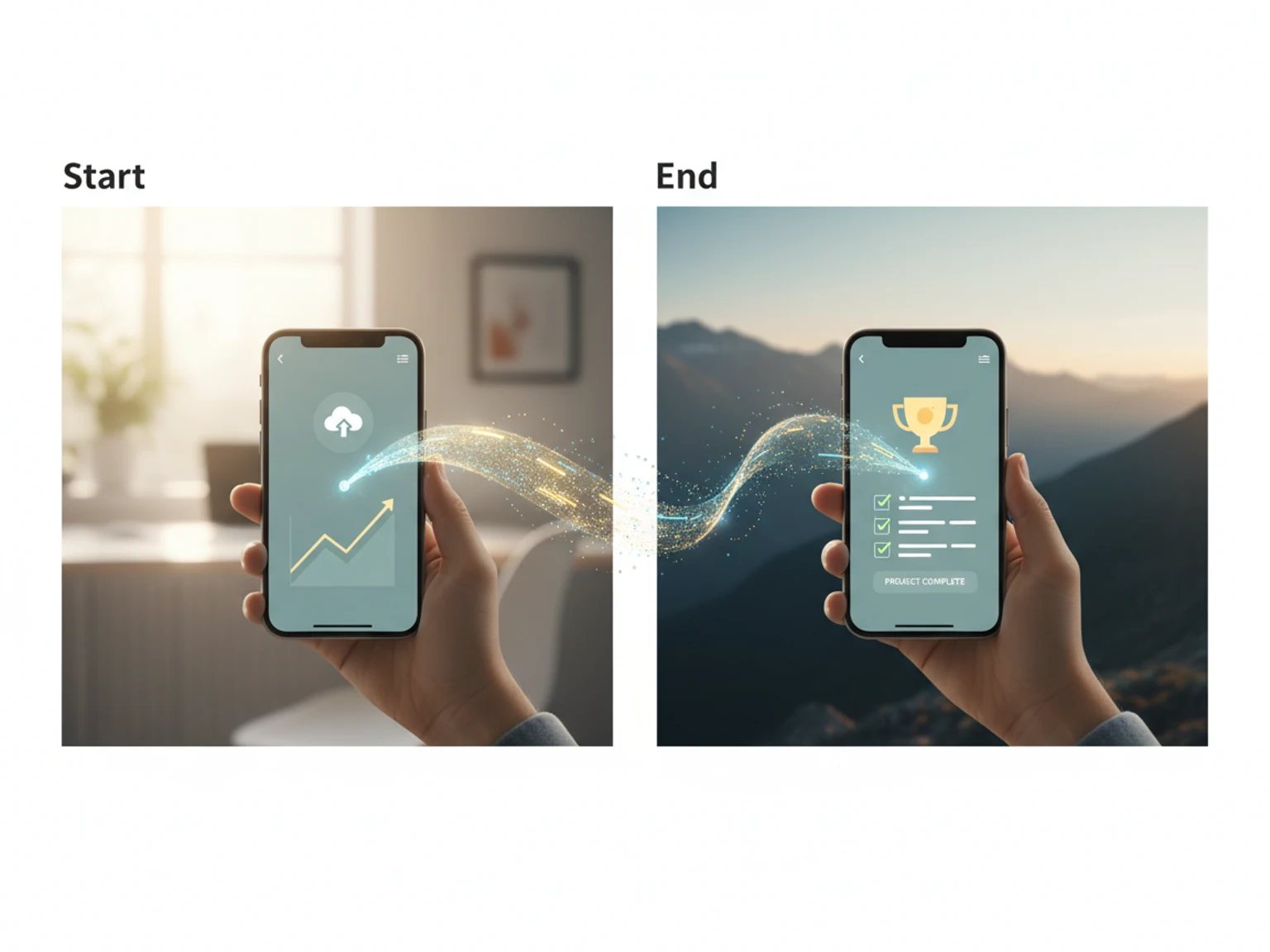
Set two key frames — AI fills the smooth transition between them.
Turn still images into cinematic video
Open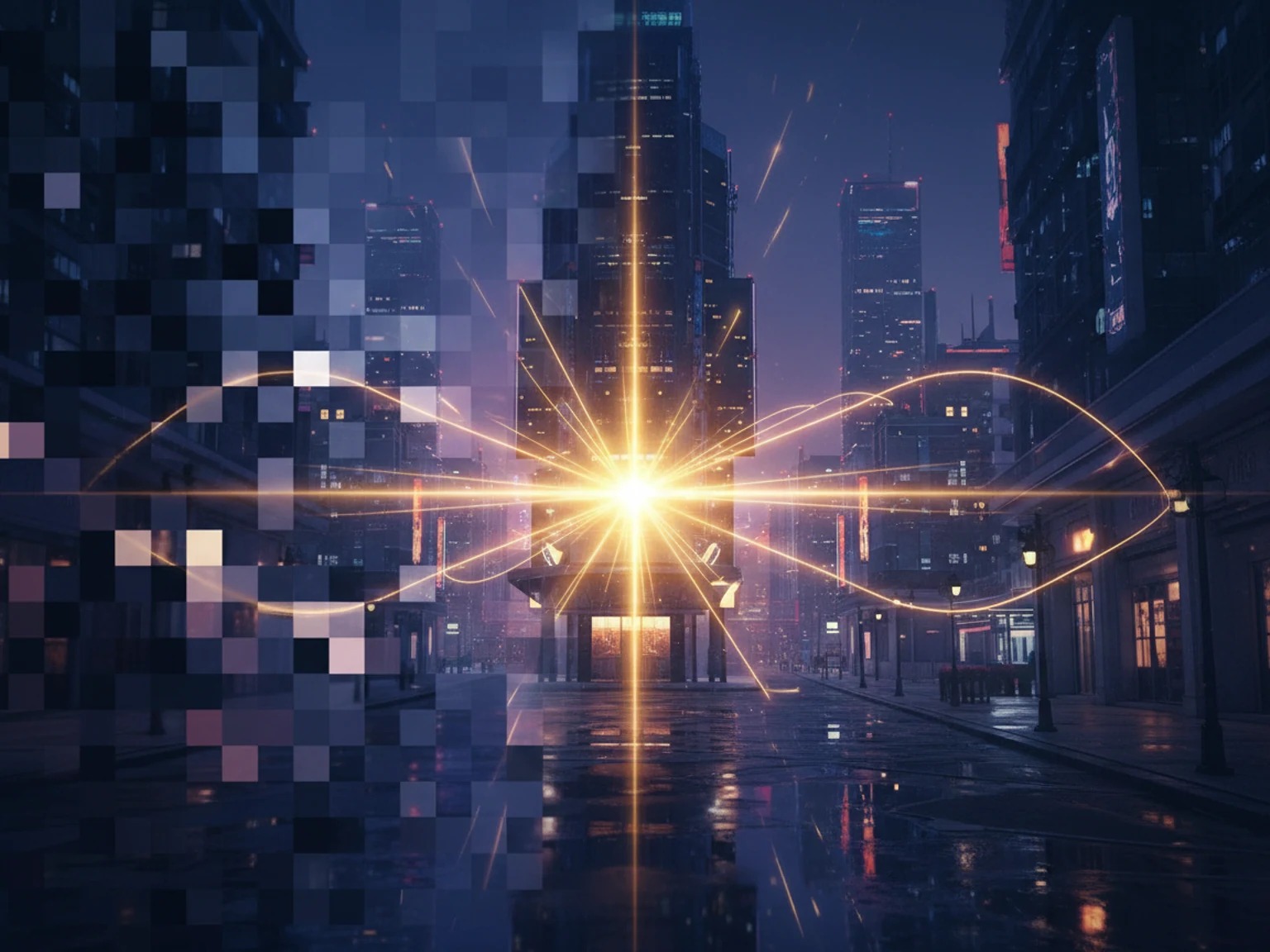
Upscale for HD display or print
Open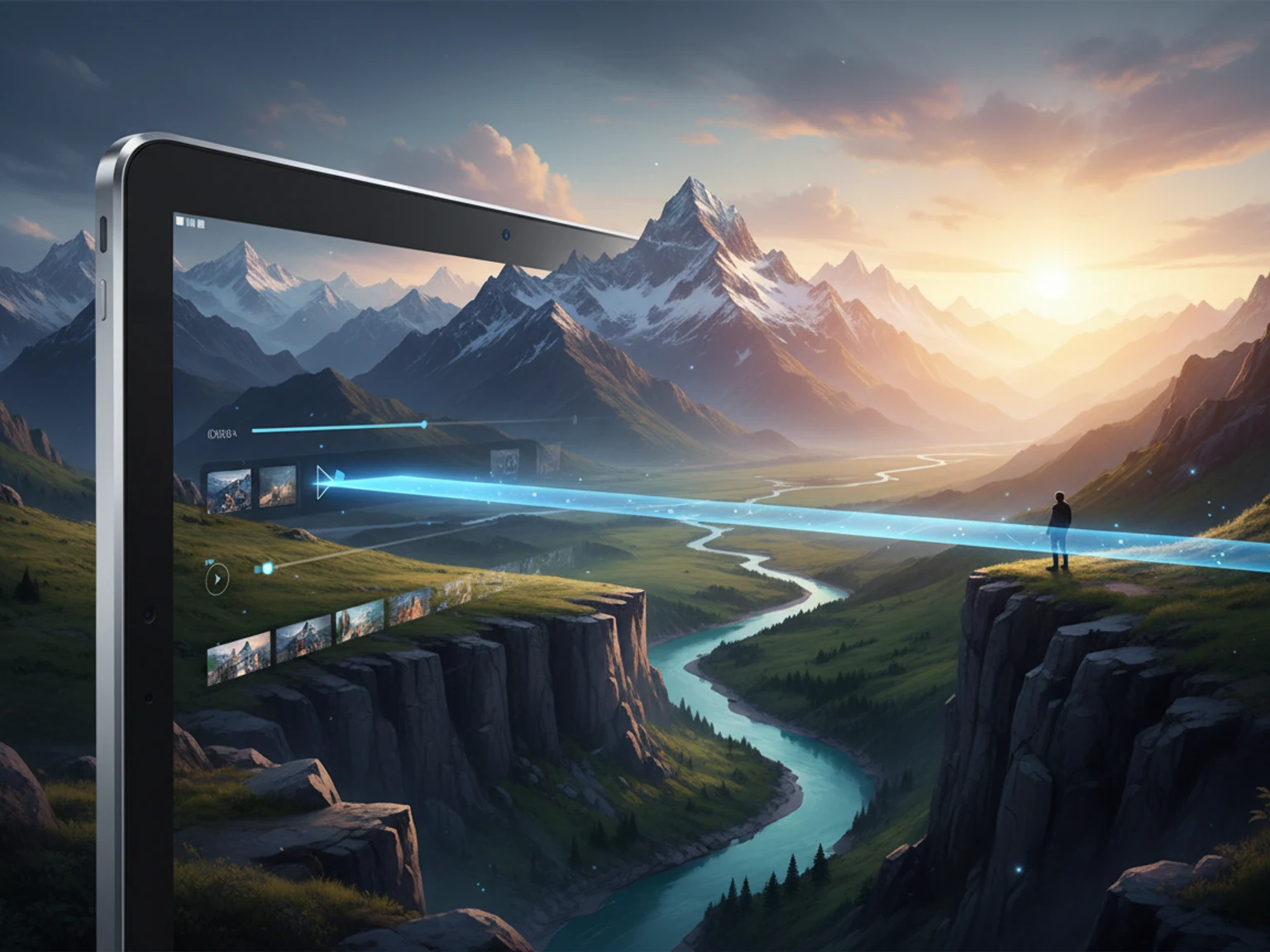
Extend clips with AI continuation
Open
Blend MP3/WAV/M4A with your clip, mute original optional
Add music or voiceover to your video
Open
Generate subtitles for your videos automatically
Add subtitles for social reach
Open
Extract a frame, add text, export YouTube sizes
Design a click-worthy thumbnail
OpenExplore
OpenAI's second-generation video model with sophisticated understanding of physical world dynamics. Generates scenes with accurate gravity, fluid motion, and realistic lighting. Also accessible via Van Gogh.
| Web / Discord |
| Animation & Style |
| Pika 2.0 |
| Limited Daily |
| 1080p |
| Luma AI | Web | 3D Realism & Camera Control | Dream Machine | 5 Videos/Day | 1080p |
| Haiper | Web | Fast Generation | Haiper V1.5 | 100 Credits | 720p |
| Kling AI | Web / App | Best Quality Output | Kling V2.5 | 66 Credits/Day | 1080p |
| Hailuo AI | Web | MiniMax Model | MiniMax Video | Limited | 1080p |
| Genmo | Web | Creative & Artistic | Mochi 1 | Limited | 720p |
| Kaiber | Web | Music Video & Style | Kaiber V3 | 5 Videos Trial | 1080p |
| Pixverse | Web / App | Viral Effects & Trending | Pixverse V3 | 50 Credits | 1080p |
Van Gogh Studio stands at the top of our list for one simple reason: it is the most comprehensive and versatile AI video platform available in 2026. Rather than being tied to a single proprietary model, Van Gogh gives creators access to an entire ecosystem of the world's best AI video models through a single, unified interface.
The platform supports six distinct creation modes: Text to Video, Image to Video, Long Video, Reference Image to Video, Start-End Image to Video, and UGC Ad Video. Each mode is optimized for a different creative workflow, making Van Gogh suitable for everyone from casual social media creators to professional marketing teams.
The text-to-video interface is particularly impressive. Users simply describe their vision in the prompt field, select their preferred AI model, choose duration, set the resolution and aspect ratio, and hit Generate. The platform's prompt assistance feature can even help refine your description for better results.
✓ Pros:
✗ Cons:
Kling V2.5, developed by Kuaishou, is widely considered the highest-quality AI video model available in 2026. Its proprietary physics simulation engine produces motion that is remarkably close to real-world footage, particularly for complex scenes involving human movement, water dynamics, and fabric simulation.
The model excels at maintaining character consistency across multiple frames, which is critical for narrative storytelling. When you generate a video of a specific character, Kling V2.5 ensures that the character's appearance, clothing, and facial features remain consistent throughout the clip, even as the camera angle and lighting change.
✓ Pros:
✗ Cons:
Sora 2 represents OpenAI's second-generation video model, and the improvements over the original Sora are substantial. The model demonstrates a sophisticated understanding of physical world dynamics, generating scenes with accurate gravity, fluid motion, and realistic lighting interactions.
One of Sora 2's most impressive capabilities is its handling of complex multi-object scenes. Where earlier models struggled to maintain spatial coherence when multiple objects interacted, Sora 2 handles these scenarios with remarkable accuracy. A scene of a person throwing a ball will show the ball following a physically accurate parabolic trajectory with appropriate motion blur.
✓ Pros:
✗ Cons:
Google DeepMind's Veo 3.1 is the fastest high-quality AI video model available in 2026. While other models may produce slightly higher peak quality, Veo 3.1 delivers an exceptional balance of speed and output quality that makes it the preferred choice for creators who need to produce content at scale.
The model is particularly well-suited for educational content, explainer videos, and any use case where generation speed is a priority. Veo 3.1 can produce a 5-second 1080p video in under 90 seconds on Van Gogh's infrastructure, making it significantly faster than competing models.
✓ Pros:
✗ Cons:
Wan 2.5, developed by Alibaba's research team, is the most creatively versatile model in the Van Gogh ecosystem. While it may not match Kling V2.5 in raw photorealism, Wan 2.5 excels at artistic and stylized outputs, making it the ideal choice for animation, fantasy content, and any project that benefits from a distinctive visual aesthetic.
The model supports a wide range of artistic styles, from painterly impressionism to sleek cyberpunk aesthetics, and it handles stylized character animation particularly well. For creators working on branded content, music videos, or artistic projects, Wan 2.5 offers a level of creative flexibility that more photorealistic models cannot match.
✓ Pros:
✗ Cons:
Runway has been one of the most influential companies in the AI video space, and Gen 3 Alpha continues that tradition. The model is particularly well-known for its "Motion Brush" feature, which allows creators to specify exactly which parts of an image should animate and in what direction, providing a level of creative control that is unique in the industry.
Runway's platform also includes a comprehensive suite of post-production tools, including background removal, inpainting, and audio generation, making it a strong choice for creators who want an all-in-one creative workspace.
✓ Pros:
✗ Cons:
Pika Labs has carved out a niche as the go-to platform for animated and stylized video content. Pika 2.0 is particularly strong at generating anime-style animations, cartoon content, and any project that requires a distinctive, non-photorealistic aesthetic.
The platform's "Pikaffects" feature allows users to apply dramatic visual transformations to existing videos, such as turning a live-action clip into an anime sequence or applying a specific artistic style. This makes Pika Labs uniquely valuable for social media creators who want to produce eye-catching, trend-driven content quickly.
✓ Pros:
✗ Cons:
Luma AI's Dream Machine is distinguished by its exceptional handling of camera movement and 3D spatial coherence. The model generates videos with a cinematic quality of camera work — smooth pans, orbits, and dolly shots — that feels genuinely professional.
This makes Dream Machine particularly well-suited for architectural visualization, product showcases, and any content where controlled camera movement is important. The model's understanding of 3D space means that objects maintain correct perspective and parallax as the virtual camera moves through the scene.
✓ Pros:
✗ Cons:
Haiper is the fastest free AI video generator in our review, making it an excellent choice for creators who need to rapidly prototype ideas or produce large volumes of content. While its output quality does not match the premium models, Haiper's speed and generous free tier make it a practical tool for early-stage content development.
The platform is particularly well-suited for social media managers who need to quickly test multiple creative concepts before committing to a higher-quality production. Haiper's batch generation feature allows users to generate multiple variations of a prompt simultaneously.
✓ Pros:
✗ Cons:
Pixverse rounds out our top 10 with its focus on viral effects and trending visual styles. The platform excels at generating content that aligns with current social media trends, including popular transformation effects, dance videos, and eye-catching visual content that performs well on TikTok, Instagram Reels, and YouTube Shorts.
Pixverse's effect template library is updated regularly to reflect current trends, making it a valuable tool for social media managers who need to stay ahead of the curve. The platform's mobile app also makes it one of the most accessible options for on-the-go content creation.
✓ Pros:
✗ Cons:
When evaluating AI video generators, several key factors should guide your decision. Output quality is the most obvious consideration, but it is far from the only one. The diversity of supported AI models matters enormously — a platform that offers access to multiple models gives you the flexibility to choose the best tool for each specific project.
Ease of use is particularly important for creators who are new to AI video generation. The best platforms offer intuitive interfaces that do not require technical expertise, while still providing advanced controls for experienced users. Prompt assistance features, example galleries, and template libraries can significantly reduce the learning curve.
The free tier structure deserves careful attention. Some platforms advertise themselves as "free" but impose such severe limitations on resolution, duration, or daily generation volume that the free tier is essentially unusable for real creative work. Van Gogh Studio's 21-credit free tier is among the most generous in the industry.
Finally, consider the platform's roadmap and update frequency. The AI video generation space is evolving rapidly, and platforms that regularly integrate new models and features will continue to deliver value as the technology advances.
The landscape of free AI video generation in 2026 is rich with excellent options. All of the platforms reviewed in this guide offer genuine value, and the right choice depends on your specific creative needs, workflow, and budget.
For creators who want the maximum flexibility and access to the highest-quality models, Van Gogh Studio is the clear winner. Its multi-model approach, comprehensive feature set, and generous free tier make it the most complete AI video platform available today.
The most important thing is to start creating. Sign up for Van Gogh Studio today and receive 21 free credits to begin your creative journey — no credit card required.