Around 70% of what we watch on YouTube is recommended by the platform's algorithm — homepage, search, suggested videos, and more.
To earn visibility as a creator, you need the algorithm on your side. Keywords in titles, descriptions, tags, and on-screen content are still important supporting signals that help YouTube understand who your videos are for.
But in 2026, viewer satisfaction is the primary ranking factor. Even perfect keyword placement will not save a video that fails to retain viewers or deliver on its promise.
This guide covers how to find the right keywords, cluster them for topical authority, and pair SEO with content that keeps people watching. Van Gogh Studio tools can help you produce videos faster once you know what to make.
Quick Verdict
YouTube keyword research in 2026 starts with high-intent, low-competition terms — not broad head keywords. Use YouTube autocomplete, competitor analysis, Google Trends, and your own analytics to find what your audience searches for. Cluster related keywords into content series to build topical authority. Metadata helps YouTube match your video to the right viewers, but viewer satisfaction (retention, session contribution) decides whether it gets recommended widely. Pair keyword strategy with the YouTube SEO guide and YouTube idea generator.
What Does YouTube SEO Entail in 2026?
YouTube SEO is the practice of using keywords to improve how your videos rank in search and recommendations.
Since Google integrated Gemini AI into YouTube, the algorithm no longer relies on text metadata alone. It can analyze your video frame by frame — context, audio, tone, on-screen text, and visual elements.
What this means for creators:
- Keywords in titles and descriptions must align with what viewers actually see and hear in the video.
- Keyword stuffing without matching content will hurt relevance scores.
- Engagement, watch time, retention, and CTR still matter — but viewer satisfaction is now the deciding factor for broad distribution.
When someone searches "skating tips" or "how to do an ollie," YouTube analyzes your video content, text metadata, and behavioral signals like watch duration and session contribution.
Both keyword research and content quality must be on point. One without the other means your videos get suppressed.
For the full metadata playbook, read our YouTube SEO guide. To turn keyword ideas into videos quickly, try Van Gogh Studio's image-to-video tool or Agent.
How Should You Conduct Keyword Research for YouTube SEO?
There are three primary keyword categories to understand:
- Short-tail keywords — Broad phrases like "YouTube SEO" or "SEO optimization." High traffic, low conversion, very competitive.
- Medium-tail keywords — More specific, like "YouTube SEO for small channels" or "YouTube SEO tips 2026." Moderate competition, better targeting.
- Long-tail keywords — Highly specific, like "How to rank on YouTube SEO with under 1,000 subscribers." Low search volume, high intent, easiest to rank for growing channels.
As a growing channel, prioritize medium- and long-tail keywords. They attract viewers who are closer to taking action — subscribing, watching more videos, or sharing.
Use YouTube's Autocomplete Feature
There is no better starting point than YouTube itself. Type your topic into the search bar and note the autocomplete suggestions.
YouTube surfaces searches people are actively making right now. These are typically broad terms with high competition — use them as a starting point, then narrow into medium- or long-tail variations.
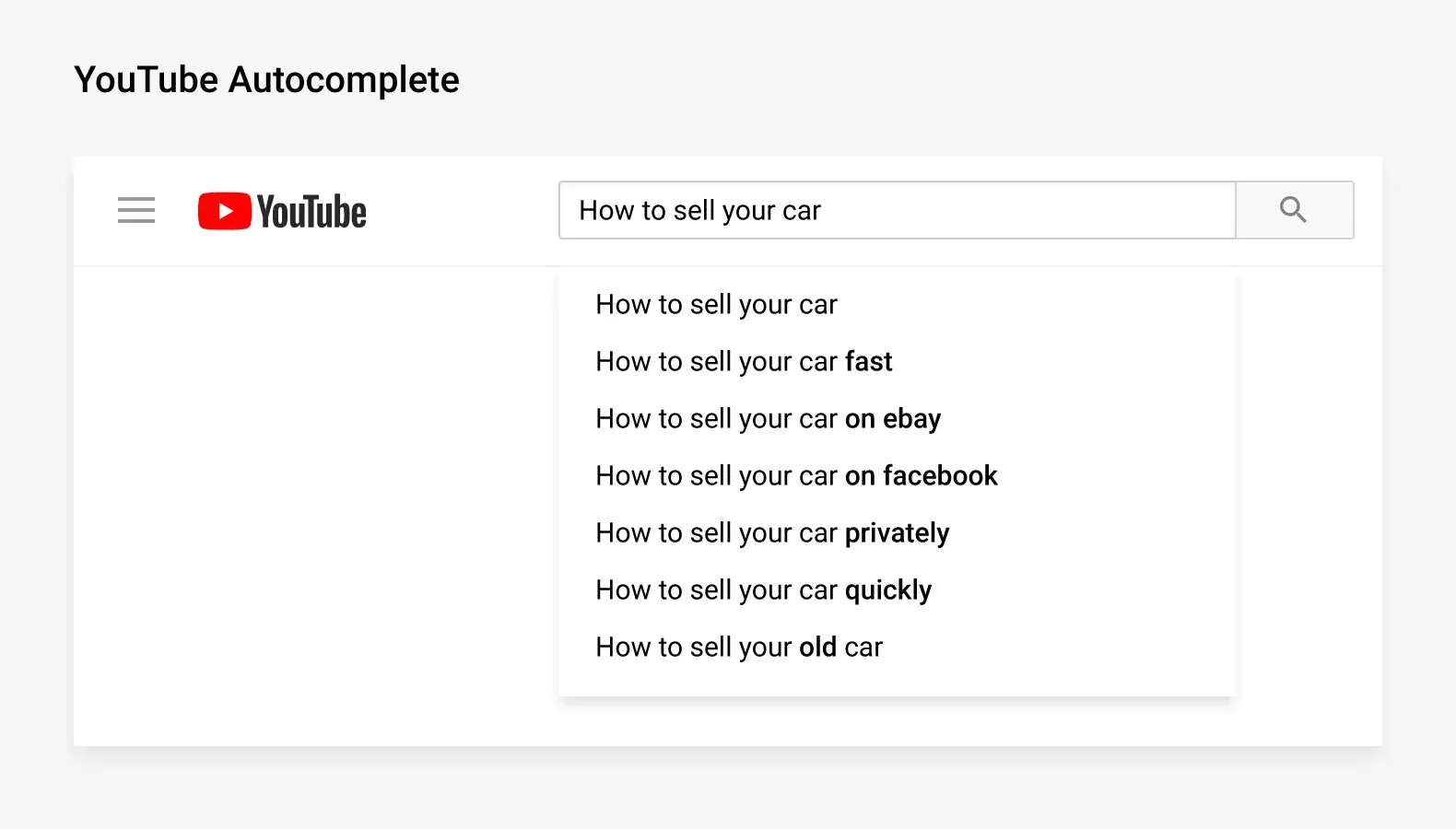
Use autocomplete to understand what people care about, then layer in niche variations for better visibility. Brainstorm topic angles with the YouTube idea generator.
Check Your Competitors' Keywords
Study how top creators in your niche optimize their videos. For each search result, click the top 3–5 ranked videos and review their titles, descriptions, and tags.
Also browse their most popular uploads for keyword patterns that consistently perform.
Do not copy titles or descriptions verbatim — but do note which keyword structures earn high CTR and retention in your niche. For packaging inspiration, see 6 YouTube CTR tips.
Leverage Google's Related Searches
At the bottom of any Google search results page, the "People also search for" section reveals high-traffic related terms.
Medium- and long-tail keywords from this section can boost your video's chances of ranking on both Google and YouTube search.
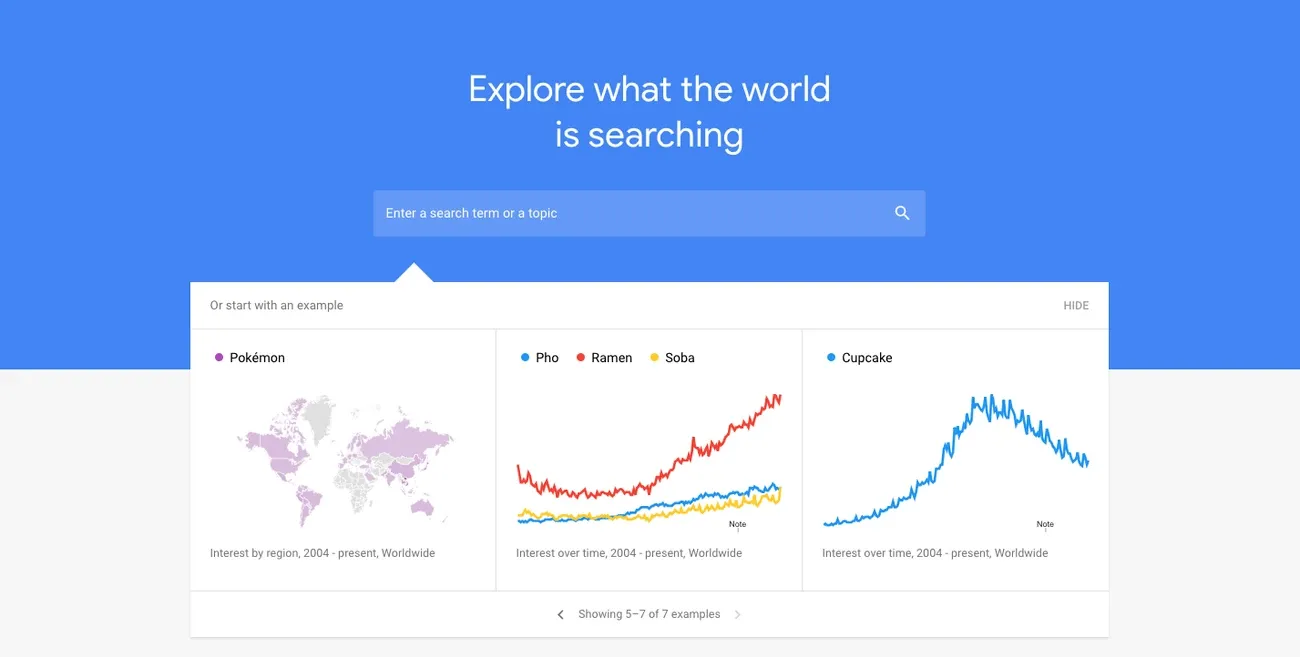
Another powerful tool is Google Trends. Filter by region, category, or "YouTube Search" only to see what is trending now and what may spike next.
Filter Keywords Based on Search Volume
Once you have a keyword list, narrow it by search volume and competition.
Growing channels are better off carving a niche path than battling established creators for high-traffic head terms.
Check monthly search volume, competition level, and relevance to your content. Tools like Ahrefs or TubeBuddy can help. Choose keywords with moderate traffic and lower competition that match your ability to deliver satisfying content.
Review Your YouTube Channel's Keyword List
YouTube Analytics shows what your viewers search for across the platform. This reveals which keywords to target and which video types resonate most.
Head to Analytics → Research → Your viewers' searches to see trending queries in your niche.
Note: this data only covers the past 28 days. Combine it with Google Trends and competitor research for a complete picture.
Track which keyword-driven videos earn the best retention with the YouTube analytics guide.
Segment Your Content with Keyword Timestamps
If you use chapter titles in your videos, the algorithm checks keywords in timestamps for recommendations.
These chapter titles also help Google link to specific segments of your video in search results.
Label chapters with searchable keywords — not generic labels like "Part 2." Viewers who cannot watch the full video often jump to the most relevant section via timestamps, which improves satisfaction signals.
Cluster Keywords To Build Subject Authority
Topical authority means becoming the go-to channel in your niche. You build it by publishing a content series that covers related subtopics — not disconnected one-off videos.
For each video in a cluster, use different but related keywords. Over time, YouTube treats your channel as a trustworthy authority on those subjects.
This pairs well with playlist and series strategies from How to get viewers to watch multiple YouTube videos and How to grow your YouTube channel.
Conclusion
YouTube's algorithm has evolved, but keyword optimization remains an important supporting signal for discovery. Even great content will underperform if YouTube cannot match it to the right audience.
Take keyword research seriously: find high-intent terms, cluster them into series, and align on-screen content with your metadata. Then track retention and session metrics to confirm viewers are satisfied.
Need help producing videos at scale? Explore Van Gogh Studio's YouTube intro generator, image-to-video, and Agent to turn keyword ideas into publish-ready content.
You might also like
YouTube SEO Guide: Optimize Videos for More Views
The complete metadata playbook — titles, descriptions, tags, thumbnails, playlists, and captions.
How to Get More Views on YouTube: 12 Best Tips
12 proven tactics for steady view growth including Shorts, evergreen content, and analytics.
6 YouTube CTR Tips to Get More Clicks and Views
Turn keyword-optimized titles into actual clicks with thumbnail and A/B testing strategies.
How to Go Viral on YouTube in 2026
Proven virality strategies for hooks, retention, and session contribution in the AI-driven algorithm.
How to Grow Your YouTube Channel in 2026
A step-by-step growth roadmap from audience targeting to consistent publishing.
How to Create Global YouTube Content
Four strategies to reach international audiences with subtitles, AI dubbing, and dialogue-free formats.
Create AI videos free
Try Van Gogh Studio free — text-to-video, image-to-video, and 300+ models in one place. Free credits on signup, no credit card required.
Try Free Video Generator