Want an ad-free experience? Upgrade your plan.

AI video


YouTube Shorts is a high-volume playground for paid social testing. But if you're a performance marketer, you know the bottleneck: producing enough UGC-style ad variations to actually run a meaningful A/B test. Hiring creators for every angle is slow and expensive. That's where an AI UGC ad generator can help you iterate faster.
In this guide, I'll walk you through a practical workflow for creating UGC ad videos specifically for A/B testing on YouTube Shorts, using the UGC Ad Video feature from Van Gogh Studio (FreeVideoGenerator). You'll learn how to generate multiple creative angles, avoid common pitfalls, and set up a testing loop that doesn't eat your entire budget.
UGC (user-generated content) ads feel native to Shorts. They're typically shot on a phone, feature a real person talking to the camera, and have a casual, unpolished vibe. That authenticity often leads to higher engagement and better conversion rates compared to polished brand ads.
For A/B testing, you want to isolate variables: hook, script, visual style, and call-to-action. With AI-generated UGC, you can produce multiple versions of the same concept quickly, then test them against each other to see which resonates with your audience.
Traditionally, you'd either hire creators or film in-house. Both have drawbacks: hiring is expensive and slow; in-house filming requires equipment, talent, and time. AI-generated UGC offers a middle ground: you can create realistic-looking UGC-style videos in minutes, without the logistical overhead.
Of course, AI-generated content isn't a perfect replacement for real creators—it's a tool for rapid iteration. Use it to generate test variations, then double down on winners with higher-quality production.
Before you open the tool, decide what you're testing. For Shorts, common variables include:
Write down 3–5 variations for each variable. This will guide your prompts and help you stay organized.
Go to Van Gogh Studio's UGC Ad Video page and sign in. New accounts get 21 free credits, so you can test the workflow without a credit card.
Describe the scene, the speaker, and the action. Be specific about the setting, the person's appearance, and the tone. For example:
"A young woman in a bright kitchen, holding a phone, talking directly to the camera. She's excited about a new skincare product. She says: 'I've been using this for two weeks and my skin has never looked better.' Casual, authentic, natural lighting."
Include details about the video format: vertical, 9:16, and keep it under 30 seconds for Shorts.
Don't settle for one output. Generate 3–5 versions of the same prompt with slight tweaks: change the person's appearance, background, or wording. This gives you a pool of creatives to test.
Once you have your base videos, use the AI Video Studio to add text overlays, captions, or effects. For Shorts, bold text that highlights key phrases can boost retention. You can also use the video effects to add a subtle zoom or color grade.
Export your videos in the recommended Shorts format (vertical, 9:16). Upload them to your YouTube channel as unlisted or scheduled, then run a paid campaign with a small budget to test performance.
Here are a few prompt templates you can adapt:
Parameter tips:
Ready to speed up your creative testing? Try the UGC Ad Video feature on Van Gogh Studio today. With 21 free credits, you can generate your first batch of UGC-style ads without spending a dime. Start creating your UGC ad videos now.
Free AI tools to go from idea to publish — pick a tool and start creating in minutes.

Create animated stickers with transparent backgrounds
Apply cinematic AI video effects
Open
Script, voiceover & export in one place — ship polished videos fast.
Generate AI videos from text or images
Open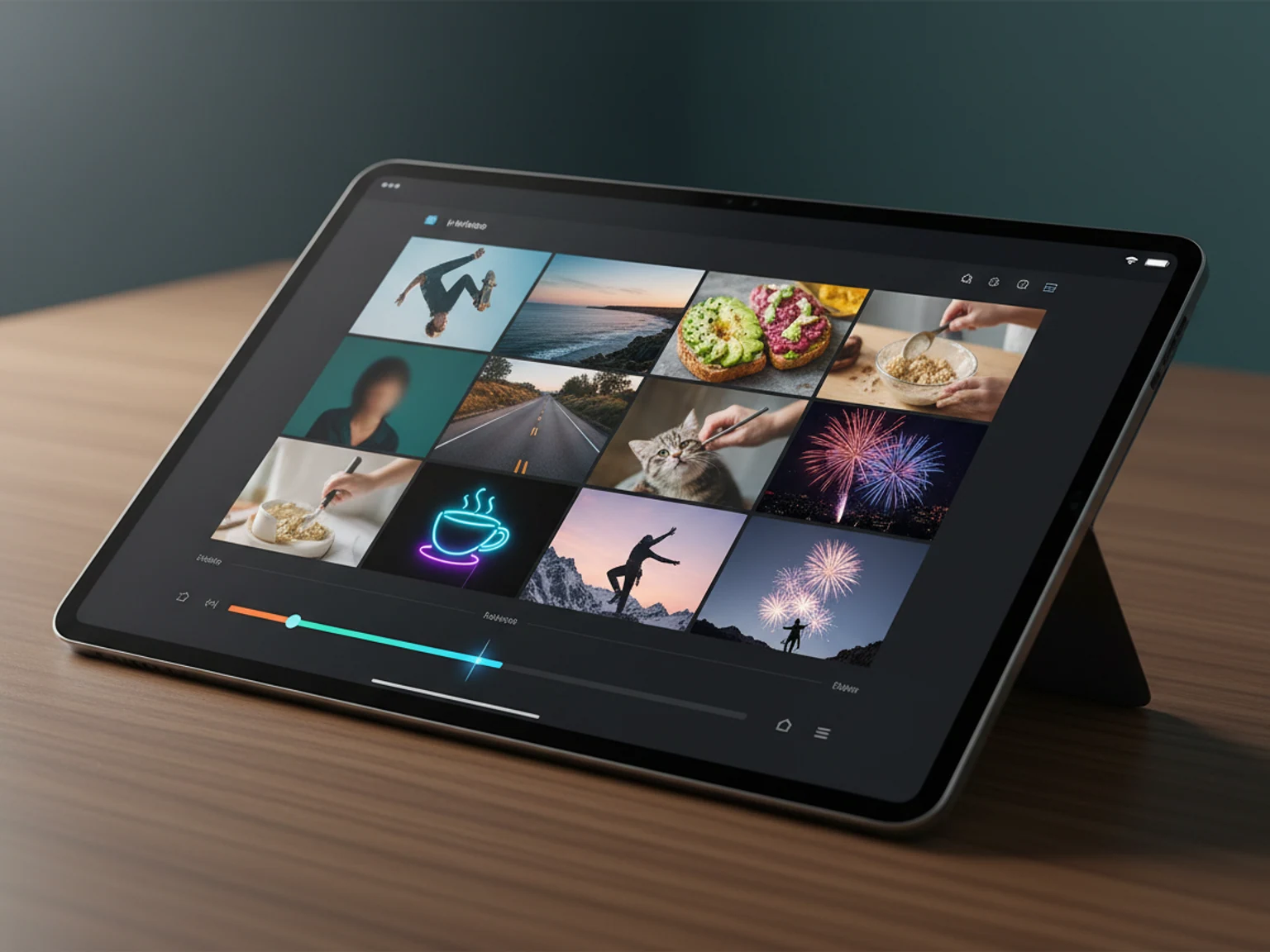
Generate AI videos from text or images
Open
Apply cinematic AI video effects
Open
Generate AI videos from text or images
Open
Upload a still and watch AI bring it to life with natural motion.
Turn still images into cinematic video
Open