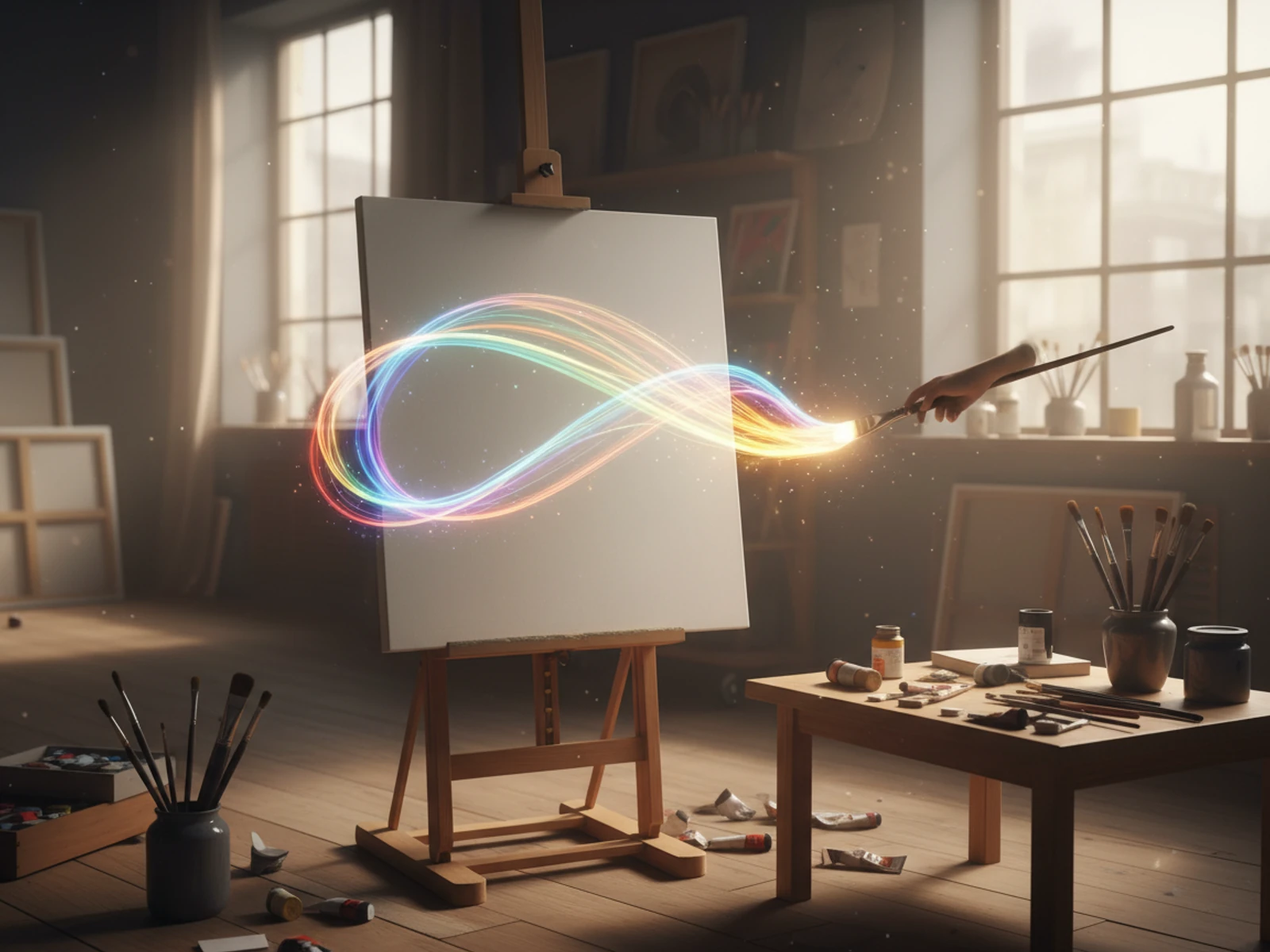
Veo 4 transforms simple text, images, or audio into professional, cinematic videos. It introduces groundbreaking features like native storyboarding, 30-second clips, and 4K resolution. Google Veo 4 is the next-generation AI video model from Google DeepMind.
This guide breaks down everything you need to know about Veo 4, including its new capabilities, and how it compares to Veo 3.
What is Google Veo 4?
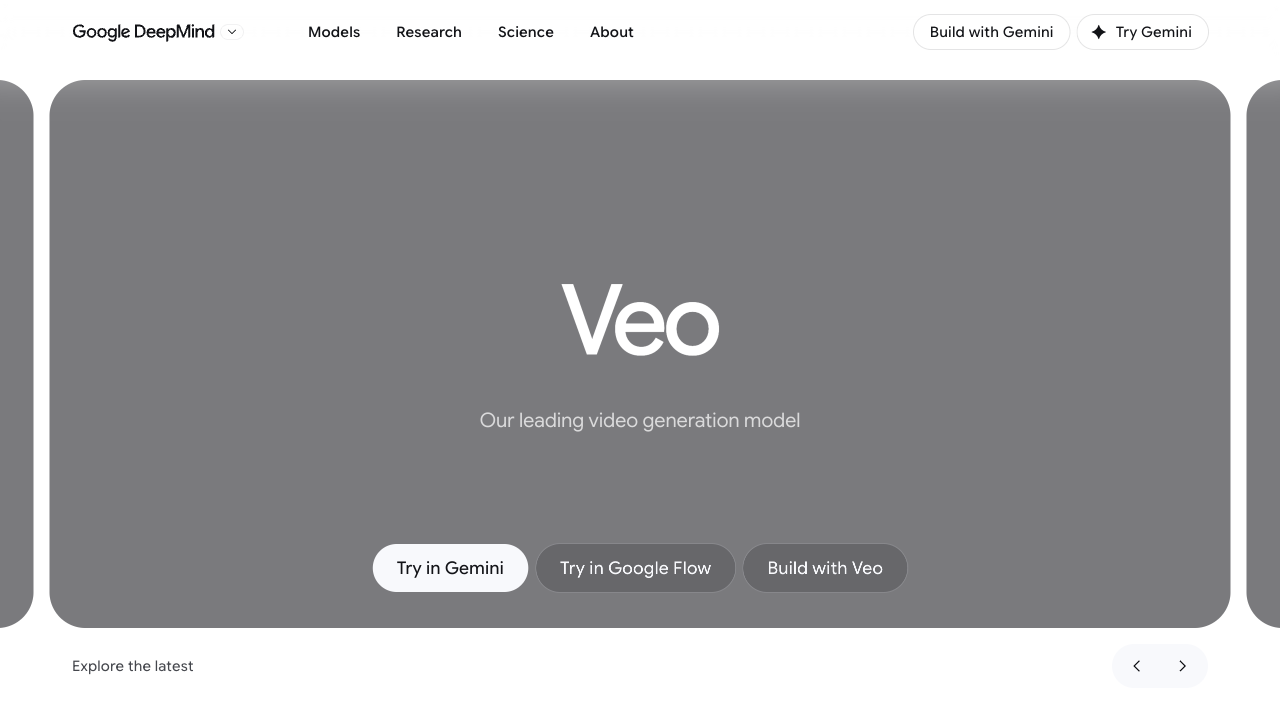
At its core, Google Veo 4 is a state-of-the-art, multimodal generative AI model designed to create high-quality, cinematic video content from simple text prompts, static images, or audio inputs. Built upon the foundation established by Veo 3, Veo 4 is not just an incremental update; it is a fundamental architectural shift that introduces advanced capabilities like native storyboarding, extended video lengths, and unprecedented character consistency.
Developed by Google DeepMind, Veo 4 acts as a bridge between human imagination and professional video production. Whether you need to generate a photorealistic product demonstration, animate a static illustration, or create a continuous 30-second narrative sequence, Veo 4 understands complex physics, lighting dynamics, and spatial relationships to produce footage that rivals professionally shot content.
Key Features of Google Veo 4
Google Veo 4 solves major pain points of earlier AI video tools. Here are its standout features:
1. Extended Video Length (Up to 30 Seconds)
One of the most anticipated improvements is the ability to generate significantly longer videos. While Veo 3 was limited to roughly 8 seconds, Veo 4 can produce continuous, high-quality clips ranging from 10 to 30 seconds from a single prompt. This extended duration allows for complete scenes, product showcases, and short narratives without complex post-production stitching.
2. Native Storyboarding for Narrative Sequences
The most revolutionary addition to Veo 4 is its native storyboarding capability. Instead of generating isolated, disconnected clips, users can now define a sequence of scenes, camera angles, and narrative beats within a single workflow. Veo 4 will seamlessly transition from a wide establishing shot to a close-up, maintaining narrative flow and visual coherence throughout the entire sequence.
3. Cinematic 4K Resolution and Enhanced Quality
Beyond just pixel count, the model boasts vastly improved temporal consistency. Veo 4 generates footage at resolutions up to 4K. The physics engine is also upgraded, so water, smoke, and fabric behave more naturally. That means the flickering, morphing, and unnatural artifacting common in older AI videos have been virtually eliminated.
4. Flawless Character Consistency and Zero-Shot Avatars
Once a character is introduced, their face, clothing, and distinguishing features remain consistent, even during complex movements. Maintaining a character's appearance across different frames and camera angles has historically been the Achilles' heel of AI video. Veo 4 introduces advanced character anchoring technology. Furthermore, Veo 4 supports zero-shot avatar creation—allowing you to upload a single photo and generate a realistic video of that person speaking or acting, without requiring any model fine-tuning.
5. Multimodal Input and Native Audio Generation
Building on the synchronized audio introduced in Veo 3.1, Veo 4 accepts text prompts, image-to-video references, and audio inputs. It generates native sound effects, ambient noise, and dialogue that match the on-screen action — a true multimodal workflow.
Google Veo 4 vs. Veo 3: What Has Changed?

If you are currently using Veo 3, you might be curious about the specific upgrades. The table below highlights the major differences between the generations:
| Feature | Veo 3 | Veo 4 |
|---|---|---|
| Max Video Length | ~8 to 15 seconds | 10 to 30 seconds |
| Maximum Resolution | 1080p | Up to 4K |
| Storyboarding | Not supported | Fully supported |
| Character Consistency | Moderate to Good | Excellent (Anchoring tech) |
| Avatar Creation | Not supported | Zero-shot personalized avatars |
| Camera Control | Basic | Advanced multi-angle control |
When is the Google Veo 4 Release Date?
Industry experts expect the official public launch of Google Veo 4 to coincide with the Google Cloud NEXT '26 event, currently scheduled for April 22–24, 2026.
For creators who can’t wait, Van Gogh Studio will integrate Veo 4 when the API is available — alongside current Veo models you can use today.
How to Access Google Veo 4
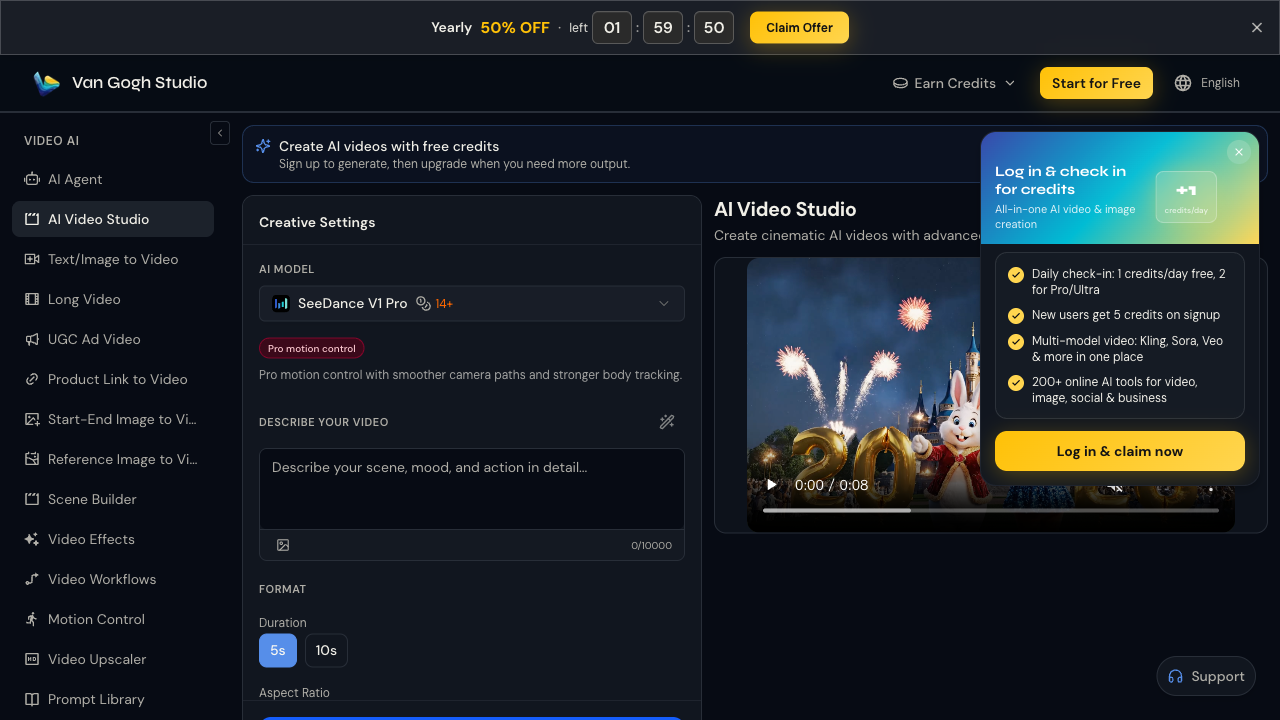
- Van Gogh Studio: The most creator-friendly path — optimized UI in the AI Video Studio.
- Google AI Studio & VideoFX: The primary web interface for developers and experimental creators to test raw parameters.
- Gemini Advanced: Native integration within Google's premium AI assistant for quick, prompt-based creations.
- VideoFX API: For enterprise developers looking to build Veo 4 into their own proprietary applications.
How to Get the Best Results with Veo 4
To truly harness the power of Google Veo 4, consider these best practices:
- Craft Descriptive Prompts: Be highly specific about lighting, camera angles, and mood. Instead of "a car driving," use "a cinematic tracking shot of a vintage sports car driving along a coastal highway at golden hour, warm lighting, 4K."
- Leverage Image References: When character or brand consistency is crucial, always start with an image-to-video prompt. This locks in the visual style before motion is applied.
- Plan Your Storyboard: Take advantage of the new storyboarding feature by outlining your scenes beforehand. Defining transitions clearly (e.g., "Match cut from eye to moon") helps the AI understand the narrative flow.
- Iterate and Refine: AI video is an iterative process. Generate multiple variations of a complex scene and select the best outcome for your final project.
Use Cases for Google Veo 4
The potential applications for a tool as powerful as Veo are vast and span across numerous industries.
- Marketing and Advertising: Brands can rapidly create and A/B test high-quality video ads, product showcases, and social media campaigns without the high cost and long timelines of traditional video production.
- Education and Training: Generate engaging instructional videos and tutorials that can visualize complex subjects, making learning more dynamic and accessible.
- Entertainment and Storytelling: Film creators, animators, and writers can use Veo to create short films, pre-visualize complex scenes for blockbuster movies, or develop unique animated content.
- Social Media Content: Quickly produce eye-catching, trending video content for platforms like YouTube Shorts, TikTok, and Instagram Reels, perfectly tailored to the platform's style.
Conclusion
Google Veo 4 is a paradigm shift in digital storytelling. By solving critical issues like video length, character consistency, and narrative structure, Google DeepMind has delivered a platform that empowers anyone to produce professional-grade video content.
With its expected launch around Google NEXT '26, cinematic AI video keeps accelerating. Meanwhile, create with current Veo models in the AI Video Studio — free credits on signup — and stay ready for Veo 4 the day it lands.
Create AI videos free
Try Van Gogh Studio free — text-to-video, image-to-video, and 300+ models in one place. Free credits on signup, no credit card required.
Try Free Video Generator