I tested Vidu Q3 as a hands-on review — not a feature list. The goal was simple: feed clear inputs (text prompts and stills), watch the outputs (motion, audio, adherence), and score what actually held up.
Vidu AI’s latest release promises human-like liveliness, smarter cuts, and native audio with clips up to 16 seconds. Building on Vidu Q2, Q3 is stronger on cinematic motion and atmosphere — but still shaky on multi-subject consistency and strict commercial prompt logic.
Quick Verdict
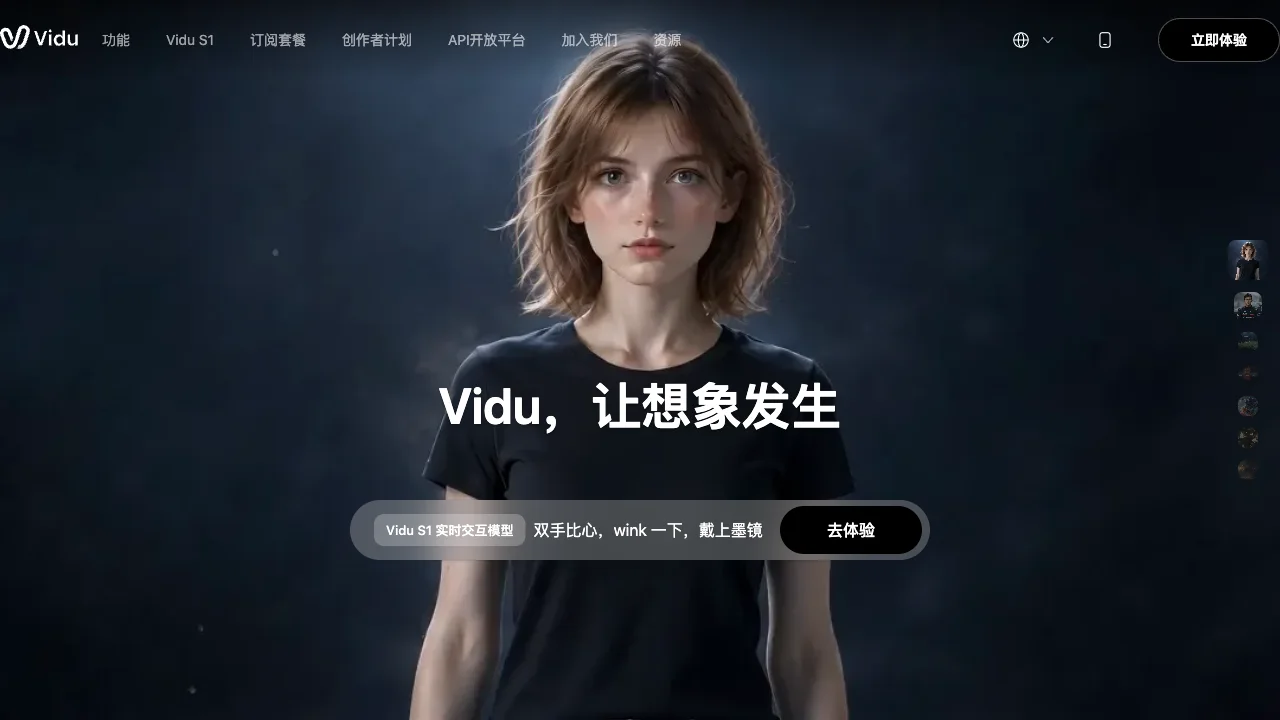
| Review point | My take |
|---|---|
| Best for | High-energy motion, wildlife / action physics, atmospheric scenes, SFX + BGM in one pass |
| Not best for | Strict brand storyboards, busy multi-character consistency, precise lip-sync dialogue |
| Core inputs | Text prompt (T2V) or still image + motion/audio brief (I2V) |
| Core outputs | Short cinematic clip (up to ~16s) with optional dialogue, SFX, and BGM |
| Biggest strength | Temporal modeling + synced ambient audio feel more “directed” than silent I2V |
| Biggest weakness | Prioritizes vibe over prompt adherence; character identity drifts in crowded scenes |
| Try it | Vidu Q3 on Van Gogh Studio via AI Video Studio |
Bottom line: Use Vidu Q3 when motion and atmosphere matter more than pixel-perfect brand control. For publish-ready work across several models in one place, I prefer Van Gogh Studio.
What Sets Vidu Q3 Apart?
Compared with Vidu Q2, Q3 pushes toward more cinematic storytelling:
- Cinematic camera language — stronger lens moves in high-action sequences (combat, chase, wildlife leaps)
- Direct audio-video output — SFX and BGM generated with the picture, instead of silent renders
- Enhanced physics & clarity — cleaner motion up to ~16 seconds with fewer morphing artifacts than Q2
Input → Output Specs
| Mode | What you put in | What you get out |
|---|---|---|
| Text-to-video | Scene prompt + timing / camera / audio cues | Short clip with motion (+ optional SFX/BGM/dialogue) |
| Image-to-video | Still + motion / speech / music brief | Animated version of the still with synced sound |
| Length | Duration request (platform UI) | Up to ~16 seconds class |
| Audio | Dialogue lines, SFX, BGM described in prompt | Native audio track (quality varies by scene) |
Hands-On Tests: Prompt → Output
Each test below lists the exact input and what the output delivered. Older page versions left bare “Prompt / Generated Video” labels with missing media — that layout is fixed here.
Test 1: Temporal Modeling and Dynamic Motion (T2V)
Goal: Stress physics — muscle tension, leap, dust, fast exit — with timed beats.
| Prompt (input) | Output (what I got) |
|---|---|
| A dramatic wildlife scene. 0 to 2 seconds: The two impalas suddenly tense up their muscles, sensing danger. The one on the right lifts its head instantly. 2 to 4 seconds: Both impalas leap into the air and run away towards the background, kicking up dust. They exit the frame quickly. Dynamic motion, fast shutter speed, realistic anatomy, no morphing. | Strong jump physics and dust fluid motion; almost no morphing mid-leap. Minor unprompted lateral camera drift. |
Score: 7.5/10 — Superior physical logic and motion smoothness; minor autonomous camera drift.
Test 2: Multi-Subject Consistency and Atmosphere (T2V)
Goal: Busy marketplace energy without collapsing faces / cartoon animals mid-pan.
| Prompt (input) | Output (what I got) |
|---|---|
| In a lively medieval-style marketplace at sunset, cheerful villagers bustle between colorful stalls filled with fruits, spices, and fabrics. Two adorable cartoon animals stand in awe near a grand old clock, wagging their tails excitedly. Children laugh and run past them, while merchants wave and shout joyfully to sell their goods. The scene is bursting with energy—lanterns swing gently overhead, and musicians play upbeat tunes in the background. The camera moves playfully through the crowd, catching vibrant smiles, clapping hands, and bouncing steps, as the whole market seems to dance with joy. | Excellent lighting and “vibe,” crowd energy stays high. Cartoon animals drift in identity; distant faces show aesthetic collapse during the pan. |
Score: 7/10 — Exceptional atmosphere; weak multi-subject consistency.
Test 3: Audio-Visual Sync and Lip-Sync (I2V)
Goal: Animate a campfire still with dialogue + layered night SFX.
| Original image (input) | Prompt (input) | Output (what I got) |
|---|---|---|
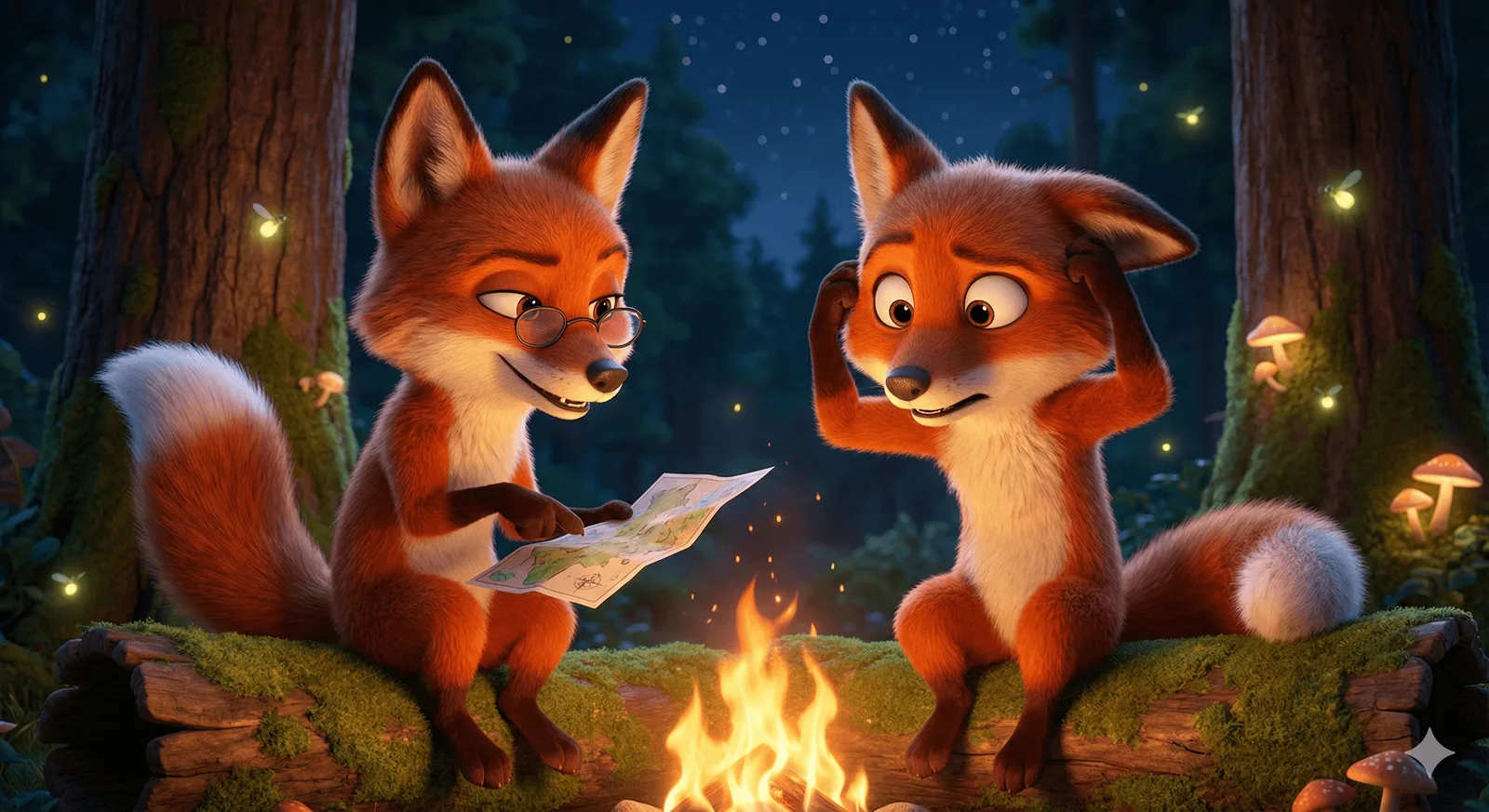 | Animate the foxes by the campfire. One fox speaks a short, worried line while pointing at the map. Keep the crackling fire, night ambience, and soft starry atmosphere. Natural mouth motion synced to speech. | Fire crackle + night ambience layered well. Mouth moved with speech timing, but phoneme-level lip-sync was imprecise. |
Score: 7/10 — Big jump in SFX/BGM integration; dialogue lip-sync still needs work.
Test 4: Prompt Adherence and Commercial Logic (I2V)
Goal: Product-accurate commercial motion from a serum still.
| Original image (input) | Prompt (input) | Output (what I got) |
|---|---|---|
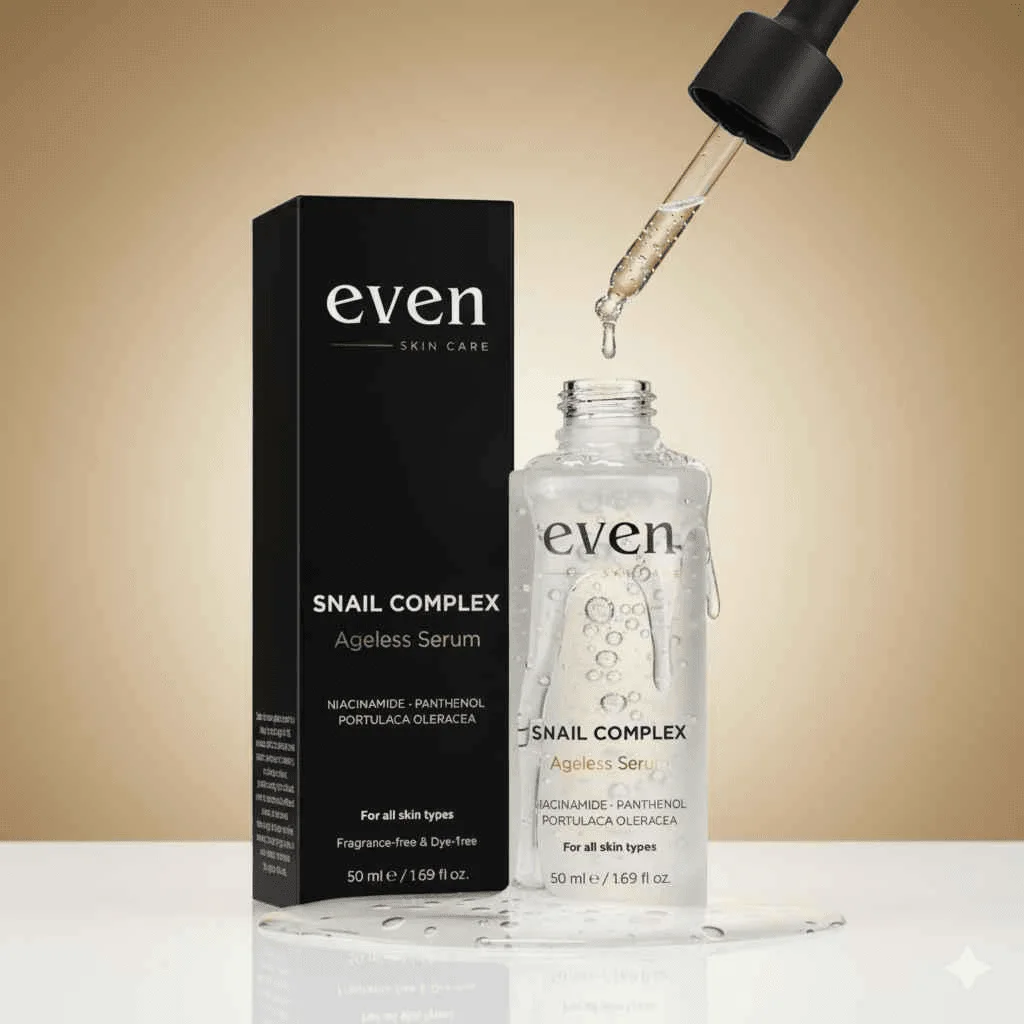 | Luxurious serum gliding over glowing skin, highlighting the rejuvenating effects of nature. Soft music plays in the background. | Soft BGM fit the brief, but the clip favored cinematic skin aesthetics over the product packaging / storyboard. Needed re-rolls for commercial adherence. |
Score: 4/10 — High texture detail; poor strict prompt adherence on brand / product logic. Realistic human renders can look uncanny and need retries.
What these tests show about Vidu Q3 I/O
| What you put in | What you get out | What still fails |
|---|---|---|
| Timed action physics brief | Clean leaps, dust, muscle tension | Unprompted camera drift |
| Crowded atmospheric prompt | Rich lighting and energy | Character identity / distant faces |
| Still + dialogue + SFX brief | Layered ambience + approximate lip motion | Precise phoneme lip-sync |
| Product still + commercial brief | Pretty cinematic motion + soft music | Strict brand / packaging adherence |
Final Thoughts on Vidu Q3
Vidu Q3 is a real step up for creators who want high-energy motion and built-in sound. Action and wildlife beats — areas where many models collapse — are a genuine strength versus silent I2V tools.
It still needs “gacha” retries when you need perfect character lock or exact commercial storyboards. Treat it as a strong motion + atmosphere model, not a one-pass brand finisher.
Why Van Gogh Studio Is the Better Way to Use Vidu Q3
Vidu Q3 is one strong model with clear limits. Van Gogh Studio is an all-in-one AI video generator hub: run Vidu Q3 next to Kling, Wan, Veo, and more without juggling separate accounts.
Cross-test the same prompt. If Q3 drifts on character consistency, switch models in the same workspace and keep the winner.
Sign up for Van Gogh Studio — free credits on signup, no credit card required.
FAQs
What inputs does Vidu Q3 accept?
Text prompts for text-to-video, and still images plus a motion/audio brief for image-to-video. You can describe dialogue, SFX, and BGM directly in the prompt.
What outputs does Vidu Q3 produce?
Short cinematic clips (up to about 16 seconds) with optional synchronized audio — dialogue, sound effects, and background music depending on the brief.
Is Vidu Q3 good for product ads?
Only with retries. It often prefers cinematic aesthetics over strict product packaging or storyboard adherence (see Test 4).
How does Vidu Q3 compare to Vidu Q2?
Q3 improves camera language, physics clarity, clip length, and native audio. Consistency in crowded multi-subject scenes remains a weak spot.
Can I try Vidu Q3 on Van Gogh Studio?
Yes — open Vidu Q3 inside AI Video Studio and generate with free signup credits.
Create AI videos free
Try Van Gogh Studio free — text-to-video, image-to-video, and 300+ models in one place. Free credits on signup, no credit card required.
Try Free Video Generator