Did you scroll through YouTube, Instagram, or TikTok today? If you say no, you’re probably bluffing — many of us watch videos before breakfast.
Video is now one of the strongest ways to sell or spread a message online. The video marketing statistics below show why.
Viewers retain far more from video than from text alone, and roughly 65% of people are visual learners. That helps explain why up to 91% of businesses depend on video as a key marketing tool in 2026.
In this article, we’ll break down the latest video marketing statistics — impact on consumers, brands, and platforms — and how AI tools like Van Gogh Studio fit into the picture.
Quick Verdict
Video is a major driver of online behavior. Social videos can generate up to 1,200% more shares than other media, especially short-form formats. Brands are responding with roughly a 25% year-over-year increase in video ad budgets, and about 63% of video marketers already use AI tools to scale campaigns.
| Snapshot | What the data says |
|---|---|
| Business adoption | ~91% of businesses use video in marketing |
| Consumer discovery | ~73% prefer to learn about products via video |
| Purchase influence | ~87% say a video has convinced them to buy |
| Sharing power | Social video can earn ~1,200% more shares |
| AI adoption | ~63% of video marketers already use AI tools |
| Practical takeaway | Short-form + AI production is now table stakes |
Create Marketing Videos with Van Gogh Studio Free
How Impactful Is Video Content on Consumers?
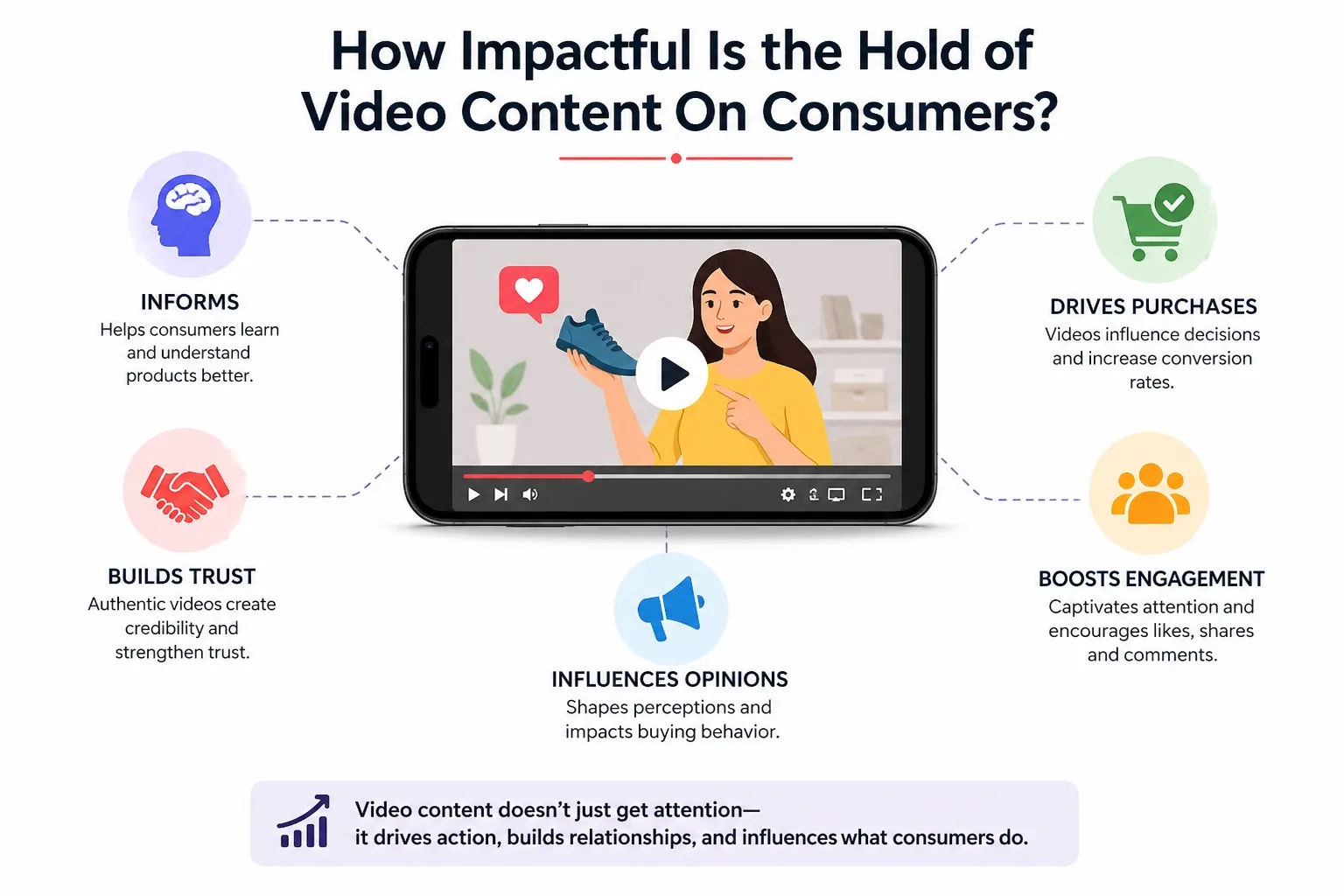
Video has become the default way people consume information online. Between 2018 and 2023, weekly time spent watching online video rose from about 10 to 17 hours, with a large share of that viewing happening on mobile.
Platforms like TikTok, YouTube, and Instagram pushed vertical, scrollable formats. That made video easier to watch on the go — and harder for text-first content to compete for attention.
Attention spans are under pressure from constant information overload. People want answers quickly, so social platforms reward fast, punchy, immersive clips over longer videos that take longer to earn attention.
Short-form formats such as Instagram Reels, YouTube Shorts, and TikTok can reach roughly 2.5× the engagement of many long-form posts. That demand also shapes trust and buying behavior.
Over 73% of online users prefer to discover products through video. Roughly 87% of consumers say they have been convinced to buy after watching a video promotion.
Video Content Data by Social Platform
| Social Platform | Key Metric | Key Data / Insights | What It Means |
|---|---|---|---|
| Instagram Reels | Platform growth driver | Reels is a major focus in Meta’s growth strategy | Meta prioritizes short-form in the feed algorithm |
| TikTok | Market share | ~40% of short-form video market (est.) | Among the highest engagement across social platforms |
| YouTube Shorts | Daily views | Tens of billions of daily views | Massive reach among bite-size formats |
| Across platforms | Internet traffic | ~82% of consumer internet traffic is video | Video is now the dominant content format |
This is also why social videos can generate up to 1,200% more shares than other forms of media. When a creative ad video lands well, a soft “maybe” can turn into a clear “yes.”
How Does Video Content Affect Brands and Marketers?
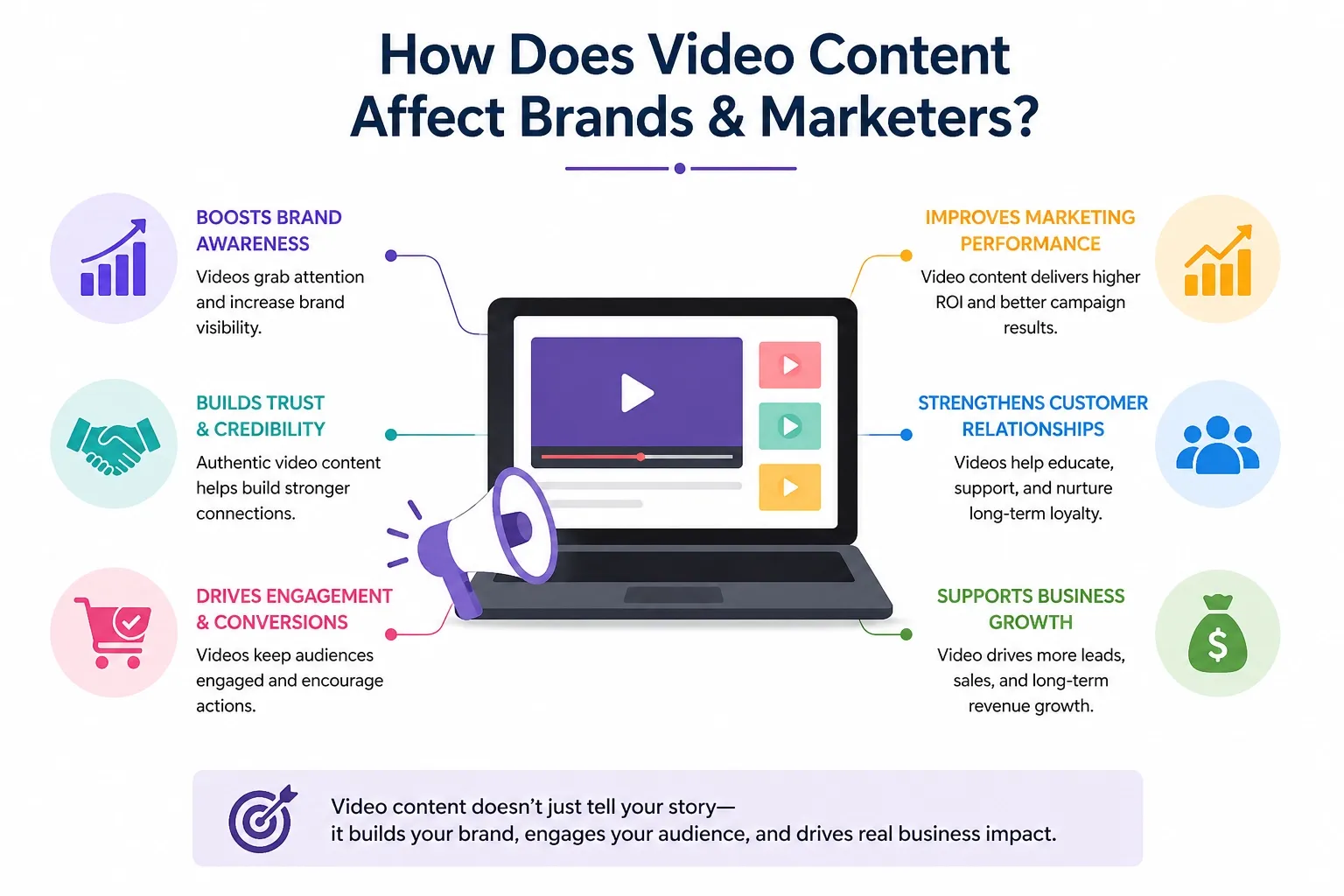
With consumers spending so much time in video feeds, brands and marketing teams need to meet people where they are — in video format. Producing video is no longer optional.
Teams that use video regularly can see up to 66% more qualified leads, plus longer visitor dwell time on their websites.
Search engines also tend to reward pages that include video. Those pages can produce roughly a 41% higher CTR than text-only results. On landing pages, video can lift conversions in B2B and ecommerce because it builds trust, clarifies value, and keeps visitors engaged.
Video ads often outperform static posts on purchase intent, and businesses that actively use video marketing tend to report faster yearly revenue growth. Consumers engage more with video and retain information from it better than from text alone.
That is why so many teams that have not fully adopted video plan to do so in 2026 — and why teams already using it keep raising budgets. Roughly 41% of marketing teams spent more on video ads in 2025 than in 2024, especially to reach Gen Z and millennials on social platforms.
Key Video Statistics for Brand Marketing
| Area | Key Stats | What It Means |
|---|---|---|
| SEO & conversions | Higher landing-page conversion rates with video | Video improves decision-making and trust |
| Ad performance | Higher purchase rates vs static ads | Video ads drive stronger buying intent |
| Revenue growth | Faster growth among video-active businesses | Video supports top- and bottom-funnel results |
| Engagement | Up to ~2.5× more engagement for short-form | Short video captures attention better |
| Retention | High completion rates on short clips | Users stay longer with concise video |
| Ad spend trend | ~25% YoY increase in video budgets | Marketers are doubling down on video |
| Adoption | Majority of teams treat video as standard | Video is becoming required, not optional |
These video marketing statistics make the case clear: video drives awareness, traffic, and conversions. The next question is how the approach changes by platform.
How Does Video Marketing Shift Across Social Platforms?
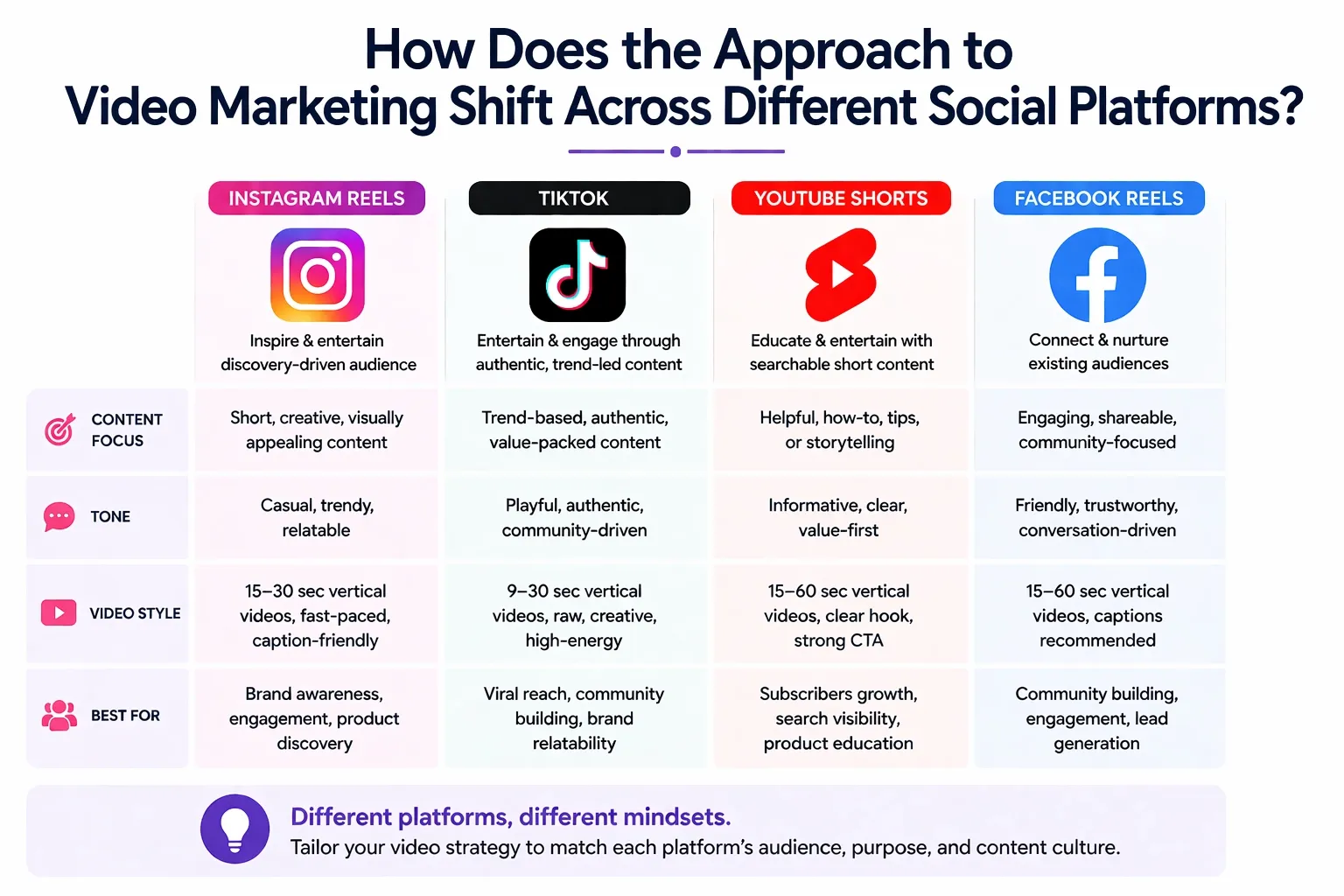
Not every platform rewards the same video style. Algorithms, demographics, and content norms differ — so the winning format changes with the channel.
YouTube
YouTube remains the top destination for mixed short- and long-form video. Around 82% of businesses use it as a video channel.
It is especially strong for brand discovery when people actively research products — reviews, comparisons, how-tos, and demos. Reach is huge, though only about 12% of marketers rank it as the single highest-ROI social platform.
Instagram is used by roughly 53% of video marketing teams. It works best for trend-driven storytelling and awareness through Reels.
About 70% of Instagram users discover and shop for brands on the platform. Engagement has shifted with algorithm changes in recent years, but it remains one of the strongest-cited channels for social ROI.
About 28% of marketers report Facebook as a top ROI channel for retail and ecommerce. Its community focus makes content highly shareable and still works for older demographics, including longer videos.
Facebook ads often see average conversion rates around 8.9%–9.2%, with some industries higher.
TikTok
TikTok leads for short-form engagement and social commerce discovery. Engagement rates around 5.75% put it near the top of bite-size platforms, and conversion performance often outpaces Instagram shopping in several retail categories.
| Platform | Best for | Notes |
|---|---|---|
| YouTube | Discovery, education, mixed formats | Strong for research-driven viewers |
| Awareness, Reels, younger shoppers | Algorithm shifts can change engagement | |
| Community, retail ROI, older demos | Shareable formats still perform | |
| TikTok | Trends, short-form, social commerce | High engagement and discovery |
For a deeper dive into bite-size formats, see our short-form video statistics guide.
Is AI Video Creation Reshaping Video Marketing?
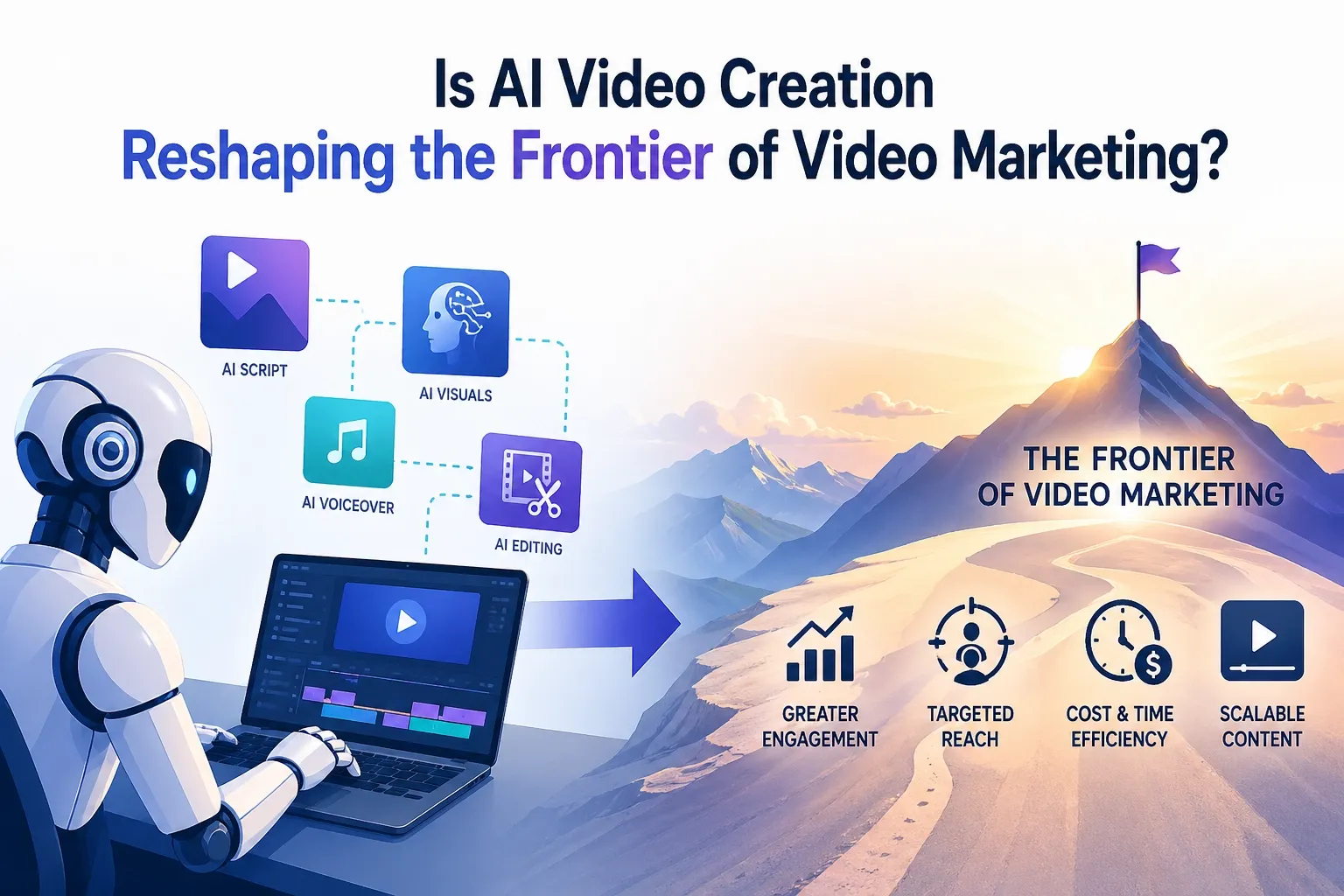
Debates about AI video authenticity continue, but AI clips already fill social feeds. With platforms like Van Gogh Studio, teams can create and scale video in minutes without a full production crew.
About 63% of video marketers already use AI tools to produce video content, up from 51% the year before. Nearly 90% of online video ad buyers are using or planning to use AI for video ads, and some forecasts expect Gen AI to create a large share of ads by 2026.
Models such as Kling 3.0 and Seedance 2.0 keep raising visual realism. Brands already experiment with cinematic AI commercials — from holiday campaigns to sports-adjacent spots — and many Fortune 500 marketing teams treat AI video as an active channel, not a side experiment.
Consumer openness is mixed. Roughly one-third of consumers are comfortable with brands using AI video, while others say poorly made AI lowers trust. The practical lesson: personalization and quality matter. Generic, sloppy AI video underperforms; relevant, well-structured AI video can still win attention on TikTok and YouTube Shorts.
| AI video signal | What it suggests |
|---|---|
| ~63% of video marketers use AI | AI production is mainstream, not niche |
| ~90% of video ad buyers exploring Gen AI | Ad teams expect AI in the creative stack |
| Quality + personalization drive ROI | Bad AI hurts trust; good AI scales output |
| Multi-model access matters | Different briefs need different visual engines |
How Van Gogh Studio Elevates Video Marketing
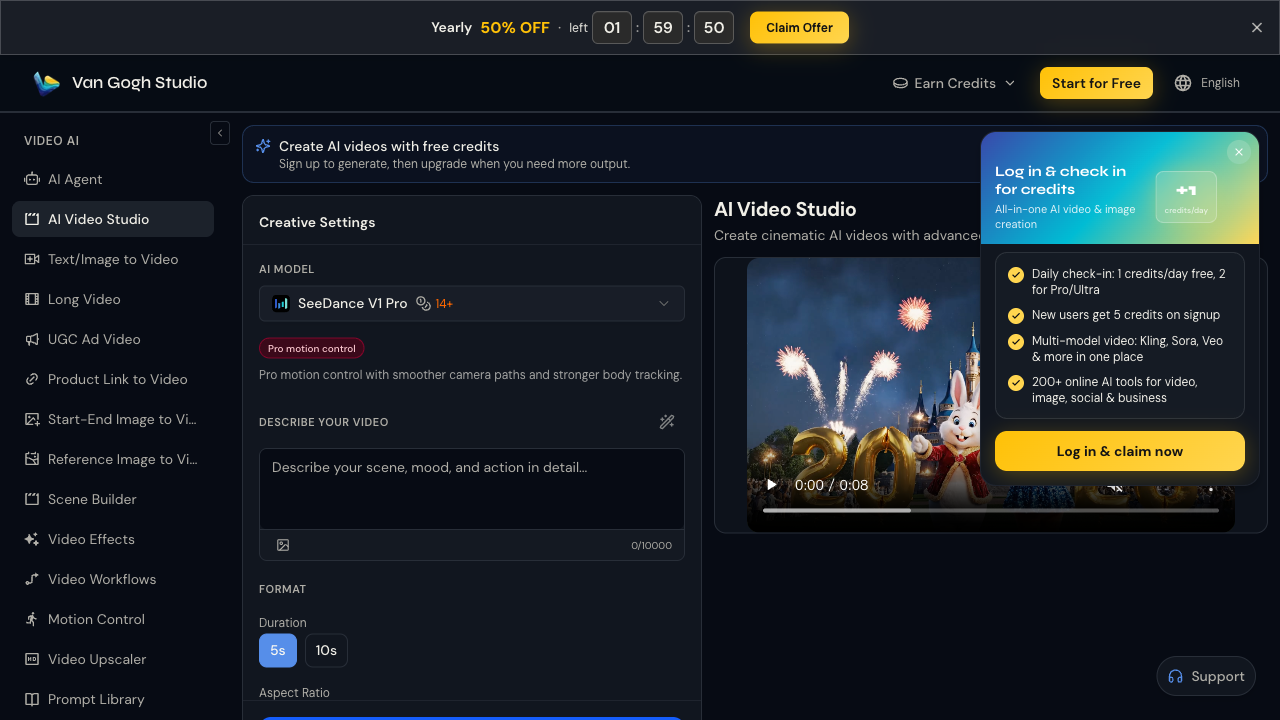
If you want to streamline production, Van Gogh Studio is an all-in-one AI image and video platform that turns ideas into publish-ready clips in minutes.
It integrates top video models such as Seedance 2.0, Kling 3.0, and Veo 3.1, so you can run text to video, image to video, and reference-to-video in one workspace.
Van Gogh Studio Agent for Campaign-Ready Output

The standout for marketers is Van Gogh Studio Agent. With a chat-based workflow, you can clone trending Reels, Shorts, and TikToks, generate UGC-style ads, and iterate on structure without rebuilding every scene by hand.
It keeps track of references, edits, and visual direction so you can adjust pacing, hooks, captions, and voiceovers without starting over. That makes it practical for teams that need volume without a full edit bay.
Create Videos with Van Gogh Studio Agent
AI Avatar, Motion Tools, and Marketing Workflows
Van Gogh Studio Avatar helps you create presenter-style and UGC-style clips with lifelike avatars, natural voiceovers, and lip sync — useful for explainers, product intros, and support videos without filming.
You can also animate a subject from reference motion, then finish with specialized workflow apps for social, marketing, and product use cases — including link to video for turning product pages into ads faster.
Conclusion
The video marketing statistics in this guide point to one conclusion: video is central to how consumers discover, trust, and buy — and brands that treat it as optional fall behind.
The teams that win will pair clear platform strategy (especially short-form) with production systems that can keep up. AI tools like Van Gogh Studio help close that gap by turning ideas into publish-ready videos faster, with less manual editing.
Understand the data, meet audiences where they watch, and adapt your workflow before the next algorithm shift.
FAQs
How many businesses use video marketing in 2026?
Video marketing is now standard. Up to 91% of businesses rely on video to market products and services, and companies that use video consistently tend to report faster revenue growth than those that do not.
Which video format delivers the highest ROI?
Short-form video currently leads for engagement and social ROI. Focus on Instagram Reels, YouTube Shorts, and TikTok when you need reach and discovery, and use longer YouTube content when viewers are researching and comparing.
Why should I use AI for video marketing?
AI video tools can cut production time and cost dramatically, which is why about 63% of video marketers already use them. Instead of hiring for every shoot and spending weeks in post, teams can generate drafts, variations, and UGC-style ads much faster.
What is Van Gogh Studio, and how can I use it in video marketing?
Van Gogh Studio is an all-in-one AI image and video platform for turning ideas into publish-ready pieces. Use Van Gogh Studio Agent to clone trending formats and build campaign clips, and use AI avatar for presenter-style or UGC-style content without filming.
Is Van Gogh Studio suitable for professional video marketing campaigns?
Yes. With access to models like Seedance 2.0, Kling 3.0, and Veo 3.1, plus Agent workflows and avatar tools, you can produce showcases, demos, explainers, testimonials, and social ads without needing a full production studio.
Create AI videos free
Try Van Gogh Studio free — text-to-video, image-to-video, and 300+ models in one place. Free credits on signup, no credit card required.
Try Free Video Generator