I tested JoyFun AI to see whether its face-swap, hair-color, kiss, and dance tools are useful beyond quick entertainment demos — or mainly a casual effects playground.
In this JoyFun AI review, I’ll share what it does well, where short effect clips start to feel thin, who it fits best, and why I would choose Van Gogh Studio when I need a broader path from idea to publish-ready video.
Quick Verdict

JoyFun AI is a strong pick if your main goal is fast, effect-driven personal clips: face swap templates, hair-color try-ons, romantic kiss motion, and dance videos from stills. The interface is approachable, image-to-video is straightforward, and short 1080p clips can look surprisingly polished for casual social posts.
It is a weaker choice when you need ads, product motion, multi-scene stories, branded campaigns, or deeper control after generation. JoyFun is best understood as a fun media effects toolkit — not a full AI video studio. For that broader path, I prefer Van Gogh Studio.
| Review Point | My Take |
|---|---|
| Best for | Face swaps, hair try-ons, kiss/dance effect clips, casual social entertainment |
| Not best for | Ads, product videos, multi-scene stories, or branded campaigns |
| Strongest feature | Template-led face swap plus approachable image-to-video effects |
| Biggest limitation | Effect-first workflow with little depth after generation |
| Learning curve | Easy for beginners and casual creators |
| My verdict | Fun for quick personal effects; limited as a full video production tool |
What Is JoyFun AI?
JoyFun AI is an AI media platform focused on image creation, image-to-video, face swap, and novelty effect formats. You can also find it via JoyFun AI when comparing model/tool pages.
I would place it in the casual AI effects category. It is built around turning photos into short moving clips and template-led transformations rather than complex video production.
Compared with open-ended AI video studios, JoyFun feels more like a personal playground: swap a face into a template, preview a hair color, animate a kiss or dance moment. It also markets broader creative latitude than heavily restricted platforms. That can appeal to some creators, but it does not make JoyFun a campaign production system.
Key Features I Reviewed
JoyFun’s feature set is organized around quick personal transforms and short motion effects.
Face Swap for Photos and Videos
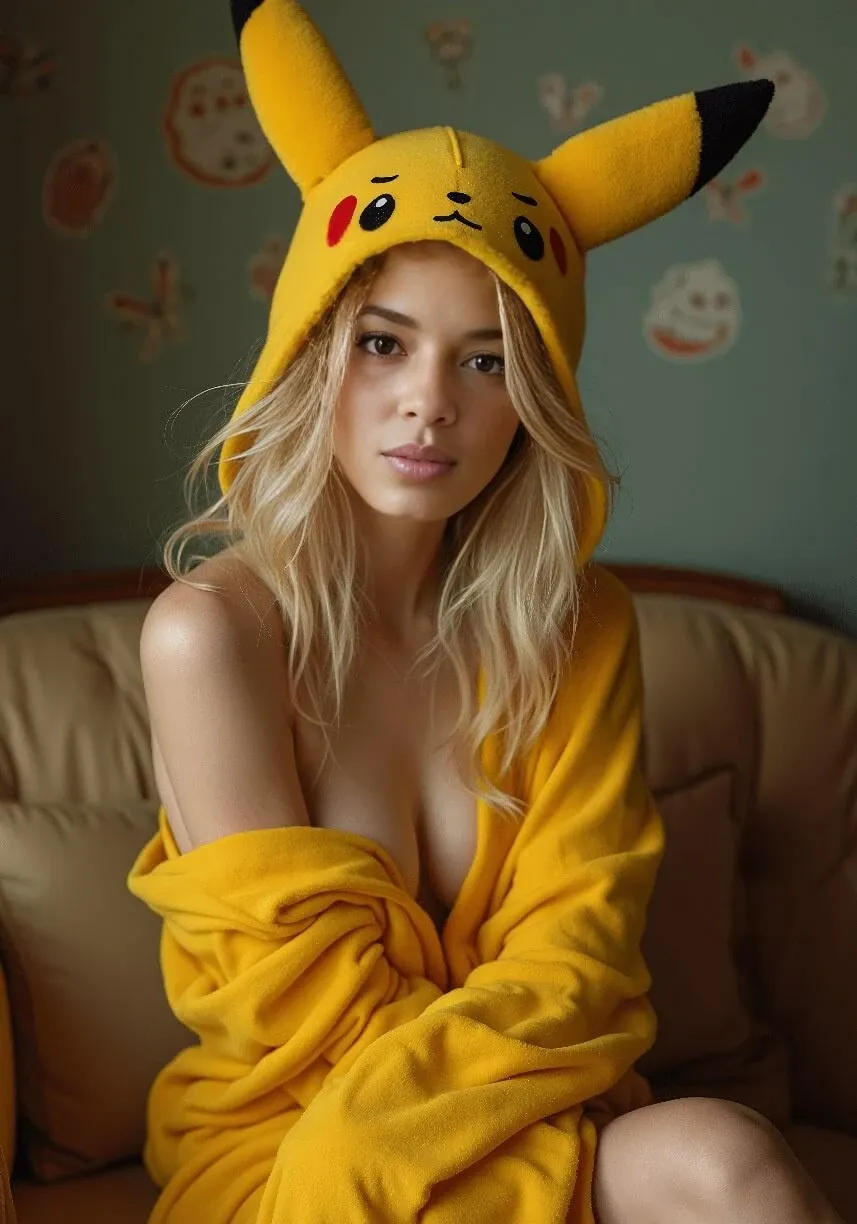
Face swap is JoyFun’s clearest selling point. Upload a face, pick a template, and generate — often without writing a prompt.
In my test, lighting and expression adapted reasonably well to the template, but the swap stayed face-focused. Hair and surrounding identity details did not fully transfer. High-quality downloads pushed me toward signup/premium, so “try without an account” is not the same as “export freely.”
AI Hair Color Changer

The hair-color tool is a practical virtual try-on. I kept face, hairstyle, and background stable while shifting hair to blue. For personal previews and light social content, that is useful.
It is not a product-photography pipeline. Brand hair campaigns, salon catalogs, or ecommerce SKUs still need stricter consistency and retouching elsewhere.
AI Kissing Video Tool

Kissing-video generation can start from images or prompts and adds soft head motion and romantic framing. For entertainment pairings and novelty social clips, the motion can feel lively.
Treat it as an effect format, not a storytelling engine. Consent, likeness, and platform policies matter — especially with celebrity or third-party faces.
AI Dance Video Maker
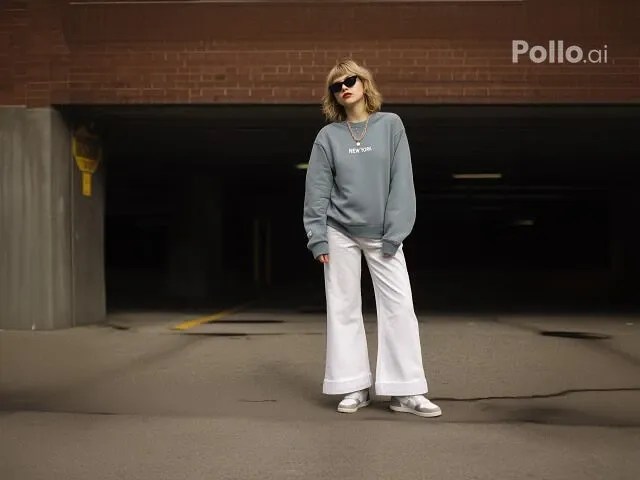
Dance video from a still was one of JoyFun’s more impressive casual outputs. Motion, lighting, and expression can look surprisingly natural for a short clip.
The limit is the same as other effect tools: one fun moment is not a finished video with structure, captions, brand messaging, or scene changes.
Image-to-Video and Multi-Tool Access
JoyFun also supports broader image and video generation plus multiple model options in one place. That helps beginners experiment without hopping between apps.
Results still depend heavily on prompt quality, source image sharpness, and plan limits. Commercial rights and full feature access may require a paid plan — check current terms before client work.
Pros and Cons
What I Liked
- Beginner-friendly interface with clear tool entry points
- Strong face-swap templates for fast personal results
- Useful hair-color try-on for simple look previews
- Kiss and dance effects make stills feel lively for casual social posts
- Image-to-video path is easy to understand
- Multiple creative tools in one lightweight platform
What Held It Back
- Face swaps often change only the face, not full identity details like hair
- Premium gates appear for higher-quality downloads
- Output consistency still needs review for anything beyond casual use
- Little follow-up editing depth after generation
- Weak for product ads, UGC campaigns, and multi-scene stories
- Model/tool range feels limited once you outgrow novelty effects
Create Full Videos with Van Gogh Studio Free
Where JoyFun AI Falls Short
JoyFun’s limits show up when a short effect needs to become a finished video with structure, pacing, captions, music, and a clear message.
Effect-First, Not Campaign-Ready
JoyFun can feel restrictive when the project needs more than one novelty clip. Many campaigns need stronger scene design, product focus, visual storytelling, or flexible creative direction.
This becomes obvious when creating product ads, cinematic clips, or brand content. The workflow does not give enough room beyond face swaps and entertainment effects.
Little Control After Generation
JoyFun is not flexible when you want to reshape a video scene by scene. The guided path helps beginners, but it limits control over camera language, transitions, product placement, and brand polish.
Personal Fun vs Professional Reliability
JoyFun may not be strong enough for marketing videos that need differentiation. Performance ads, ecommerce creatives, and UGC video ads usually depend on hooks, product close-ups, scene changes, and platform-native energy.
JoyFun’s outputs can feel too novelty-driven for those needs. When the video needs to sell, not entertain for five seconds, the result may not feel competitive.
How I Reviewed JoyFun AI
I reviewed JoyFun as a casual effects and short-clip tool, not as a full production suite.
Main areas I considered:
- Effect quality — face swap realism, hair fidelity, kiss/dance motion
- Workflow friction — signup walls, downloads, and beginner clarity
- Creative control — whether users could shape results beyond templates
- Output readiness — whether clips felt publish-ready or only draft-fun
- Use-case coverage — personal social, entertainment, product, ads, stories
- Business value — whether teams could ship serious video work from JoyFun alone
Is JoyFun AI Right for You?
JoyFun is a strong fit if you want quick personal transforms and entertainment clips without learning a timeline editor. I would recommend it for face-swap experiments, hair try-ons, and short dance or romantic effect videos for casual social posts.
It is less ideal if you need product storytelling, ad variations, multi-scene structure, or brand-safe campaign workflows. In those cases, a fuller generative AI video generator is the better starting point.
In short: JoyFun is right for users who want playful effects. It is less ideal for users who need finished marketing video.
Real Use Cases
| Use Case | My Take |
|---|---|
| Face swap social posts | Strong fit — templates make this fast |
| Hair color try-ons | Strong fit for personal previews |
| Dance / kiss entertainment clips | Good fit for casual short-form fun |
| Creator novelty inserts | Useful for light motion effects |
| Product concept rough cuts | Limited fit — not product-first |
| Ad idea exploration | Weak fit beyond novelty drafts |
| Brand campaigns | Not the right tool; use a fuller AI video studio |
JoyFun AI vs Van Gogh Studio
| Dimension | JoyFun AI | Van Gogh Studio |
|---|---|---|
| Main workflow | Face swaps and short effect videos | Full AI video generation, editing, and publish-ready workflows |
| Effect / entertainment clips | Core strength with swap, kiss, dance, hair tools | Available via broader text to video and creative tools |
| Image / video generation | Simple generation for short personal clips | Stronger text to video and image to video paths |
| Creative range | Narrower effect / casual focus | Broader coverage across ads, explainers, social, and story videos |
| Marketing output | Better for novelty clips than campaign creatives | Stronger with UGC ad video and campaign-ready workflows |
| Editing flexibility | Limited after generation | Stronger follow-up refinement with the AI video editor |
| Best fit | Creators who want quick personal effects | Creators and marketers who need finished AI videos, not only effect clips |
Why Van Gogh Studio Is a Better JoyFun AI Alternative
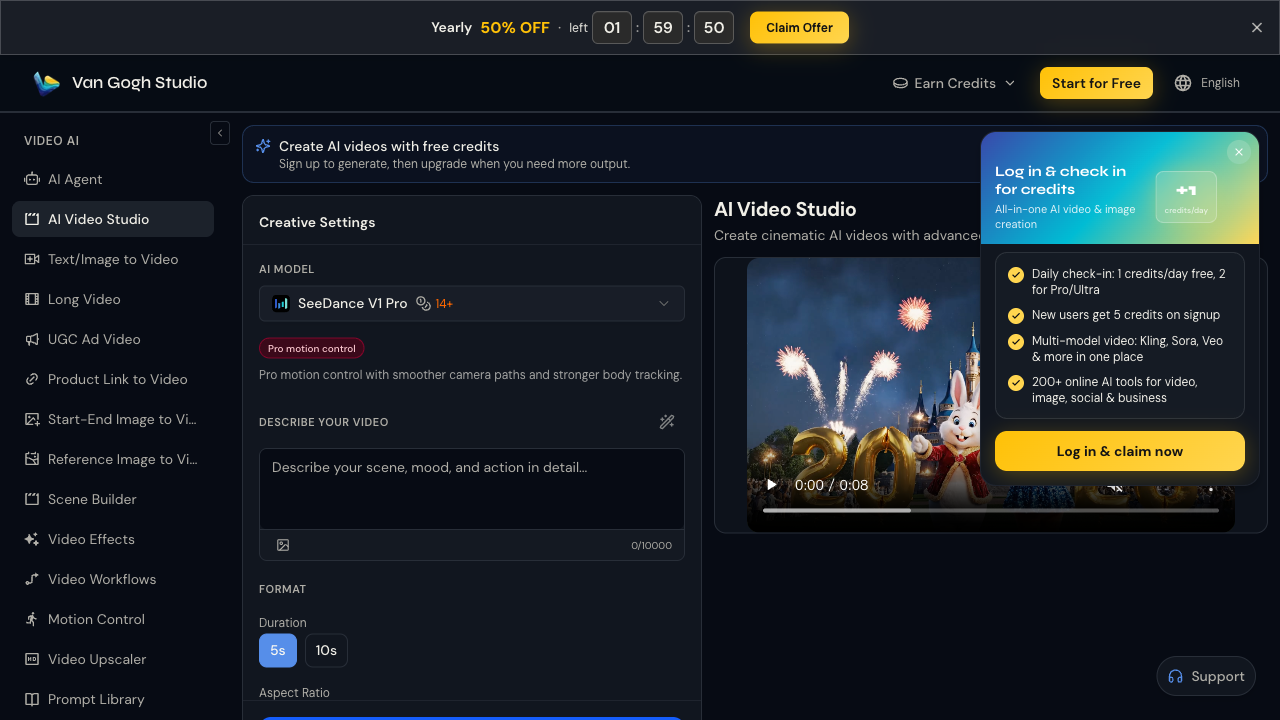
JoyFun is useful for short personal effects. Van Gogh Studio is stronger when I want an AI creative suite that can support many video styles, editing, talking avatars, and audio in one place.
Broader AI Video Generation, Not Only Effects
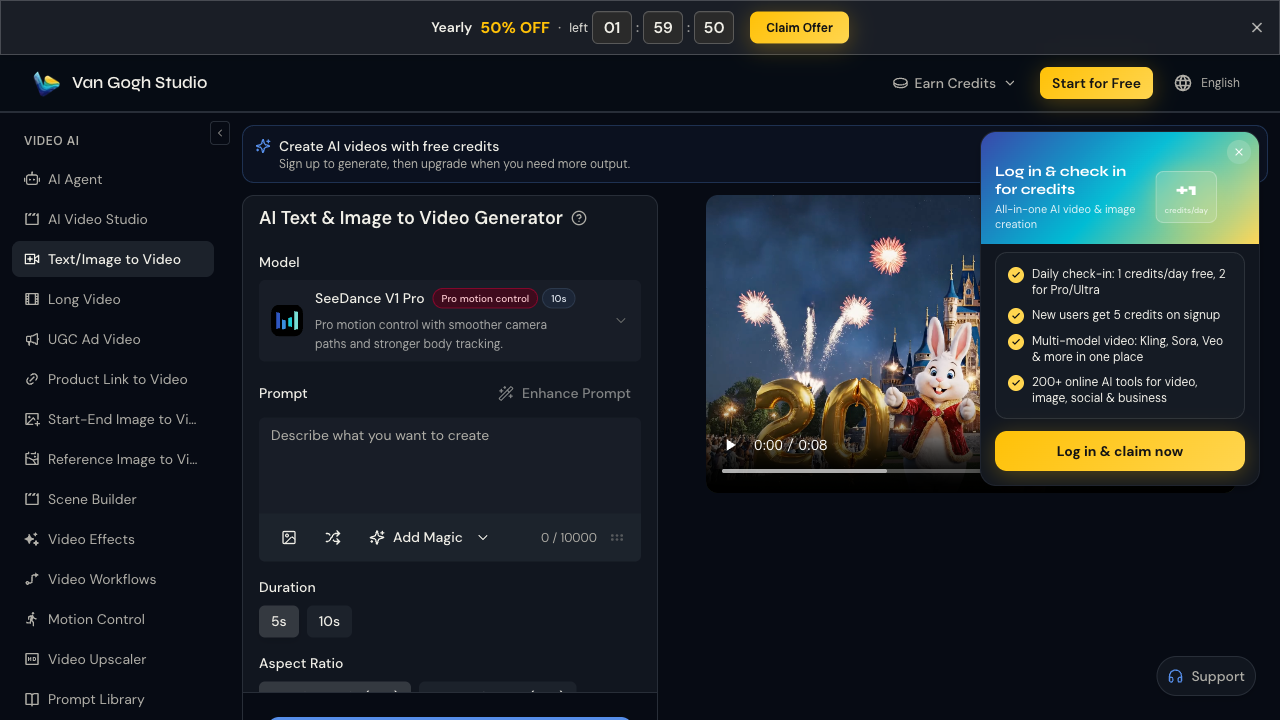
Van Gogh Studio gives me more starting points: text to video for concepting, image to video for product stills, and multi-model access when I want different motion styles. Models such as Veo 3.1, Kling 3.0, and Seedance 2.5 matter when one effect look is not enough.
That is the clearest gap versus JoyFun. JoyFun can animate a novelty moment; Van Gogh Studio can explore different visual directions for the same brief.
Avatar Videos When a Presenter Helps
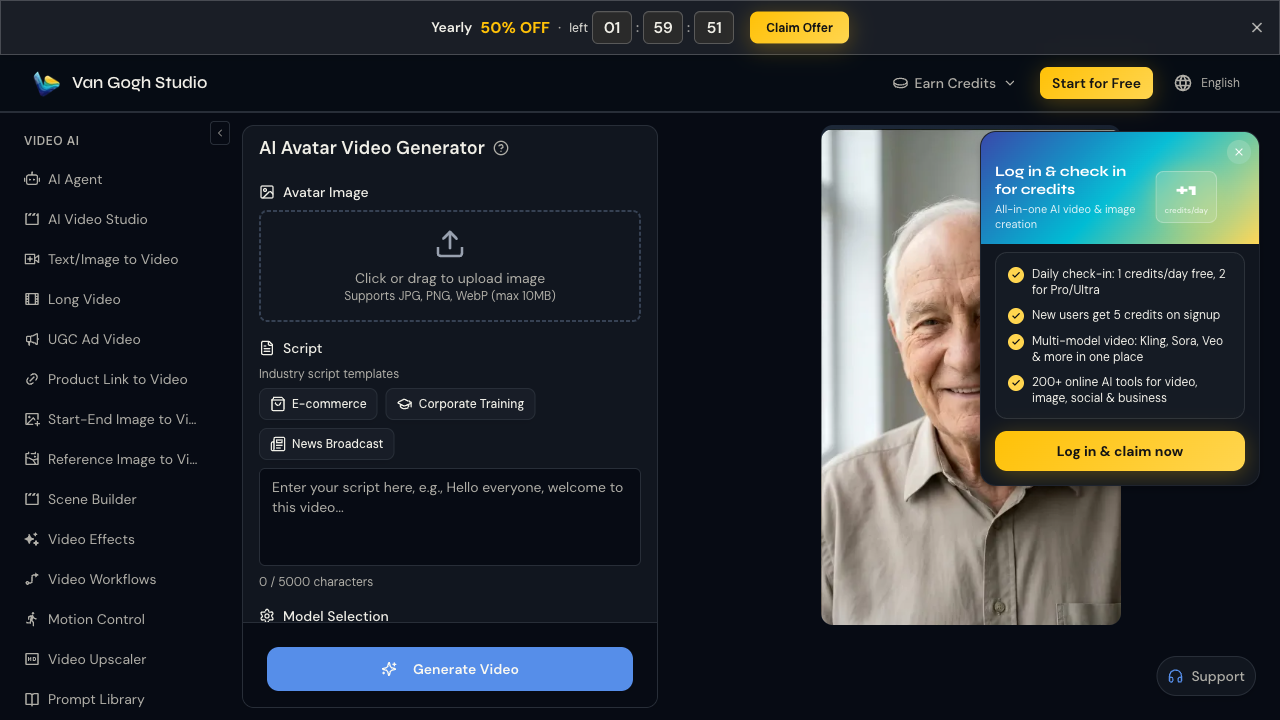
With Van Gogh Studio’s AI avatar video generator, I can turn one photo into a lip-synced talking avatar with natural expressions and gestures — without filming or long avatar training.
JoyFun is not an avatar-first product. When a project needs a presenter clip inside a larger video, having avatars next to text-to-video and editing is more practical than stopping at a face-swap effect.
Create Avatar Videos with Van Gogh Studio Free
Post-Ready Videos With Van Gogh Studio Agent
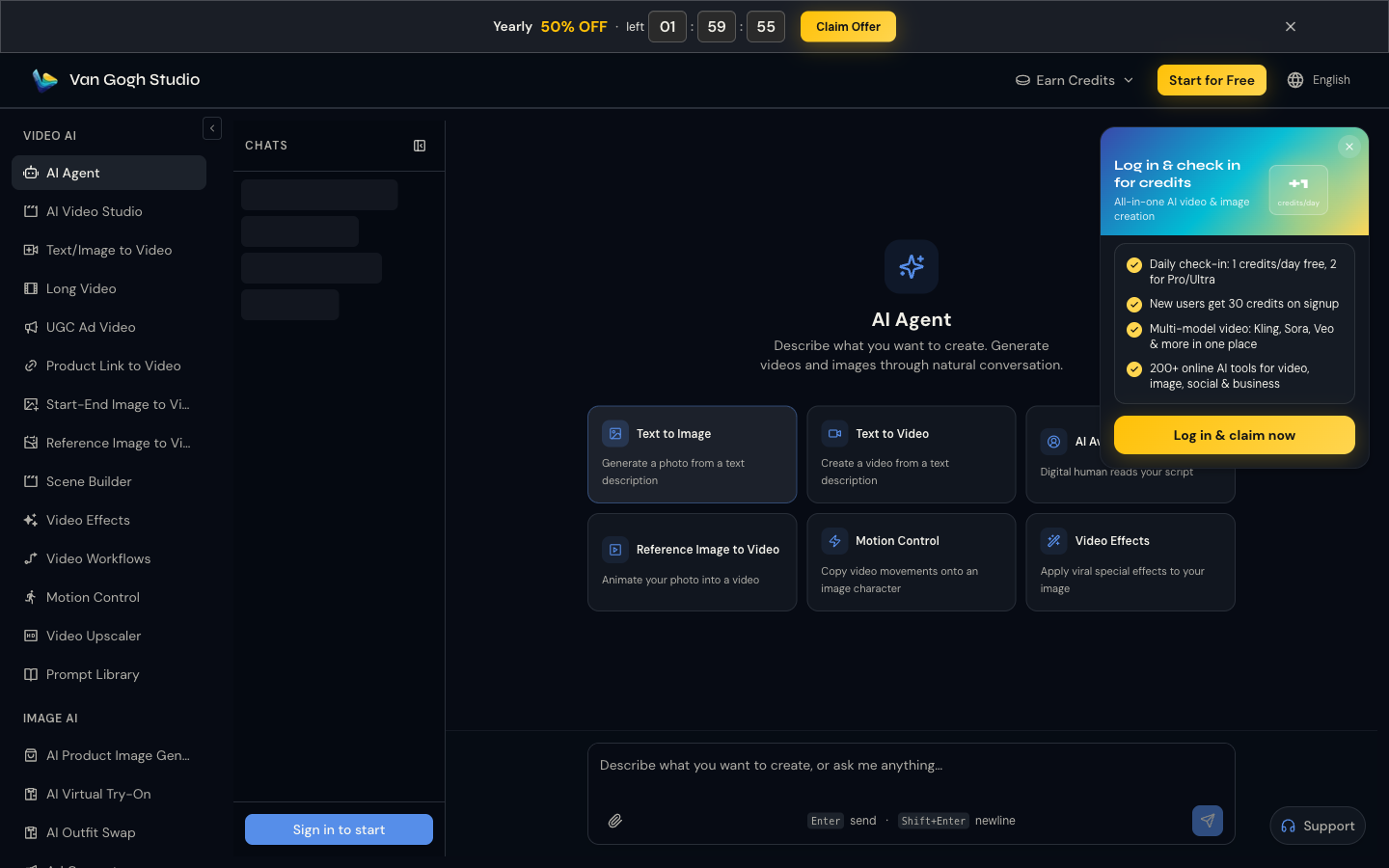
Van Gogh Studio Agent gives a stronger end-to-end production advantage. Instead of only generating separate effect clips, it is designed to create structured, production-ready videos with less manual assembly.
I can start from an idea, text, image, or URL, and the Agent can help handle structure, pacing, visuals, and sound. That makes it more suitable when I want a finished result instead of a novelty draft that still needs another tool.
Create Videos with Van Gogh Studio Agent
Stronger Marketing and Commerce Workflows
For ads, launches, and product promos, I need hooks, variations, pacing, and channel-ready formats. Van Gogh Studio’s marketing workflows — including UGC ad video and link to video — are built for that campaign output, not just one entertainment effect.
Final Verdict: Is JoyFun AI Worth Using?
JoyFun AI is fast, approachable, and genuinely useful for users who want face swaps, hair try-ons, and short dance or romantic effect clips without a heavy creative stack.
Production depth is the main issue. JoyFun is not a strong choice for cinematic videos, product ads, ecommerce visuals, UGC-style campaigns, or serious brand content.
Use JoyFun when a quick personal effect is the job. For a broader AI video workflow, I would choose Van Gogh Studio. It combines multi-model video generation, editing, AI avatars, Agent-led publish-ready workflows, and campaign tools in one place — so you can entertain, sell, and create without switching platforms when the brief turns into real video.
JoyFun AI Review FAQs
What is JoyFun AI used for?
JoyFun AI is used for face swaps, hair-color changes, image-to-video clips, kissing videos, dance videos, and other short personal or entertainment AI media effects.
Is JoyFun AI good for professional video production?
Not as a full production tool. JoyFun can help with rough entertainment ideas and casual social clips, but professional videos typically need stronger control over pacing, editing, captions, scene structure, and final output quality.
What is the biggest drawback of JoyFun AI?
For me, the biggest drawback is limited workflow depth beyond short effect clips. If you need campaign variation, product motion, or multi-scene stories, you will likely outgrow it.
What is the best JoyFun AI alternative?
If you want more than quick effect drafts, Van Gogh Studio is the better alternative. It covers text to video, image to video, AI avatar, editing, UGC ads, and longer story videos in one workspace.
Create AI videos free
Try Van Gogh Studio free — text-to-video, image-to-video, and 300+ models in one place. Free credits on signup, no credit card required.
Try Free Video Generator