I tested ElevenLabs to see whether its famous AI voice quality still leads — and how useful its newer video, lip-sync, and Studio tools are when the end goal is publish-ready content, not just a strong voiceover file.
In this ElevenLabs review, I’ll share what it does well, where the workflow still feels audio-first, who it fits best, and why I would choose Van Gogh Studio when I need AI voice plus a broader path from idea to finished video.
Quick Verdict
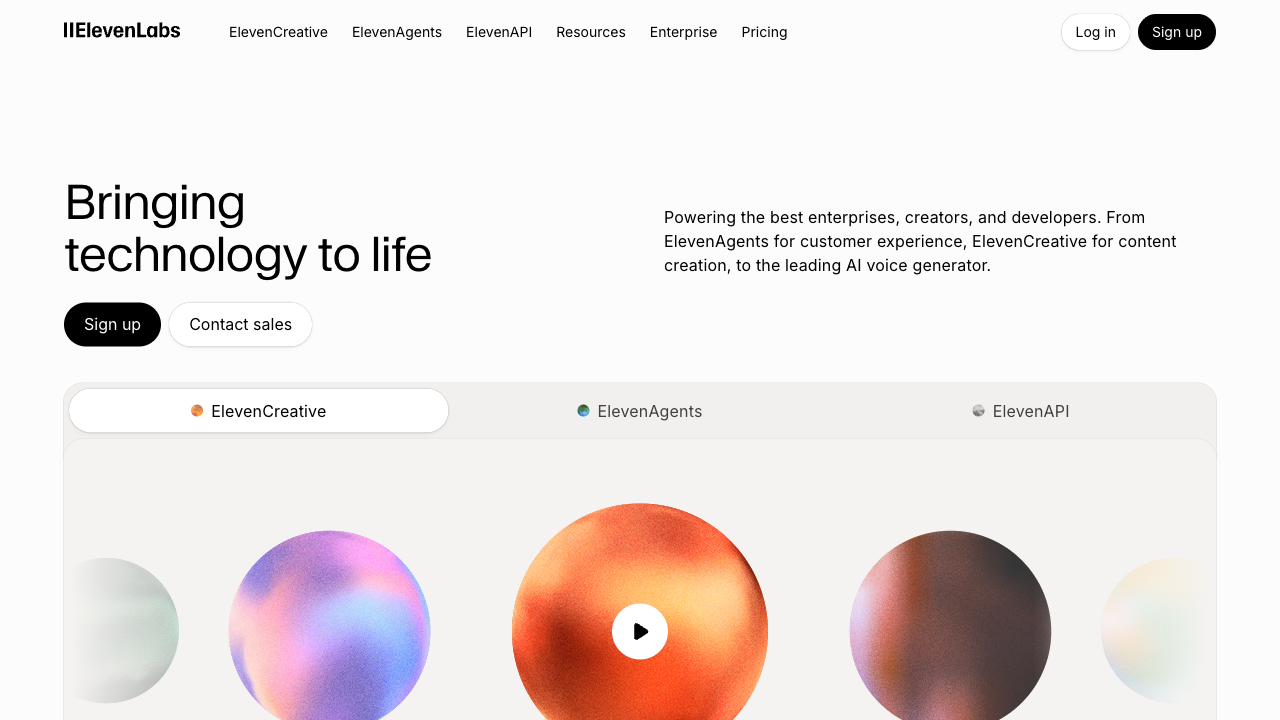
ElevenLabs is a strong AI platform if your main goal is realistic speech: text to speech, voice cloning, voiceovers, dubbing, music, sound effects, captions, and audio-led narration. Voice quality and speech control remain the clearest reasons to use it.
It has expanded into video generation, lip sync, Studio timeline editing, and AI voice agents — useful when sound has to sit inside a clip. It is still a weaker choice when you need product-led ads, campaign variations, talking-avatar marketing workflows, or a faster path from brief to finished commercial video. For that fuller production path, I prefer Van Gogh Studio.
| Review Point | My Take |
|---|---|
| Best for | Voiceovers, cloning, dubbing, podcasts, audiobooks, narrated clips |
| Not best for | Product ads, ecommerce creatives, UGC campaigns, or video-first production |
| Strongest feature | Natural, controllable AI speech and brand-consistent voice cloning |
| Biggest limitation | Still audio-first; full video production often needs more assembly |
| Learning curve | Easy for voice tasks; fuller Studio + video workflows take more setup |
| My verdict | Excellent for AI voice; limited as a complete video studio |
What Is ElevenLabs?
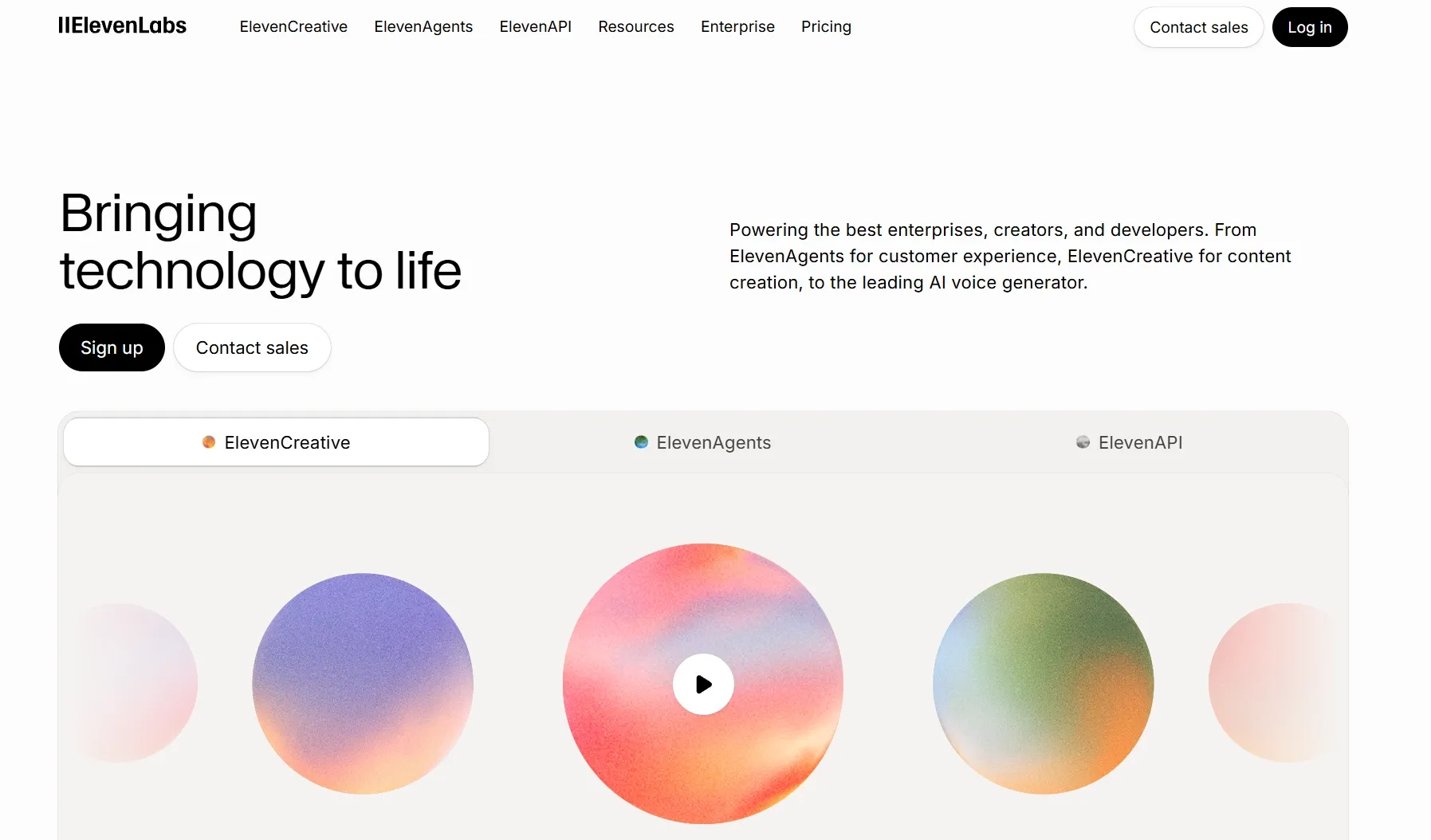
ElevenLabs is an AI voice platform built for realistic speech generation, voice cloning, dubbing, and audio-based content creation. Its biggest strength is still the voice layer: turning scripts into natural narration, shaping delivery, and keeping a consistent speaker identity across many pieces of content.
That puts ElevenLabs closer to an audio creative stack than to an open-ended AI video generator. If the job depends on how something sounds — YouTube narration, podcasts, audiobooks, training voiceovers, localized speech — it fits. If the job depends on product motion, ad structure, or multi-scene visual storytelling, voice alone is not enough.
ElevenLabs has expanded into image and video generation, lip sync, music, sound effects, captions, Studio editing, and AI voice agents. Those additions make audio-rich clips more complete. I still judge the product first by speech quality, because that is where it remains most differentiated.
Key Features I Reviewed
ElevenLabs’ feature set is organized around making content sound finished — then attaching visuals, sync, and editing around that audio core.
Realistic Text to Speech and Speech Control
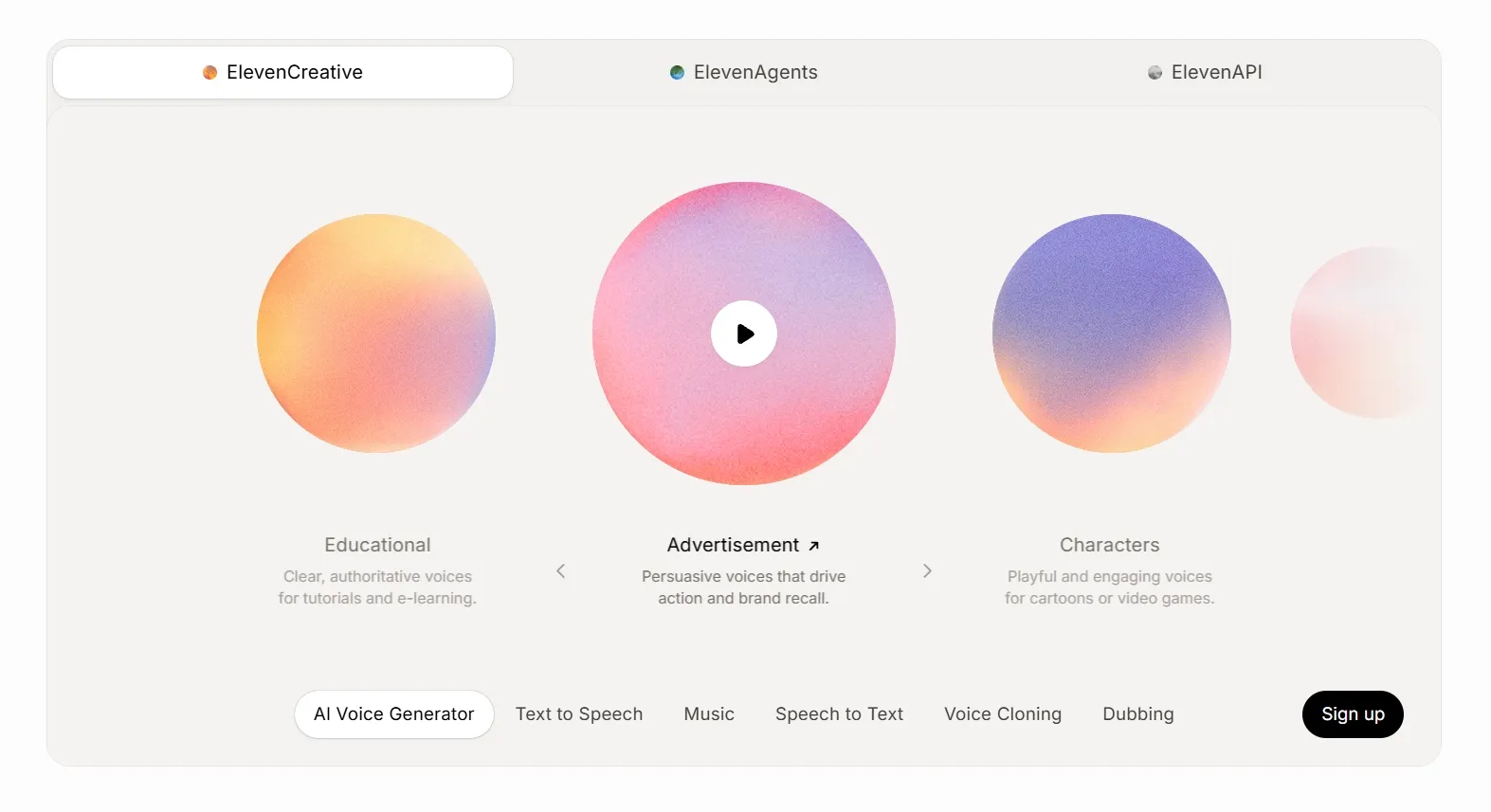
Voiceover is where ElevenLabs feels most confident. The platform gives access to a large voice library, expressive speaking styles, and controls for tone, pacing, and delivery that go beyond basic TTS tools.
A training video can sound clearer. A story clip can feel more emotional. A product demo can sound more persuasive when the narration carries emphasis and rhythm instead of flat robotic speech.
For teams that only need standalone narration, our free text to speech tool is a lighter alternative path. ElevenLabs is the stronger choice when speech quality, style control, and long-term voice consistency are the priority.
Voice Cloning
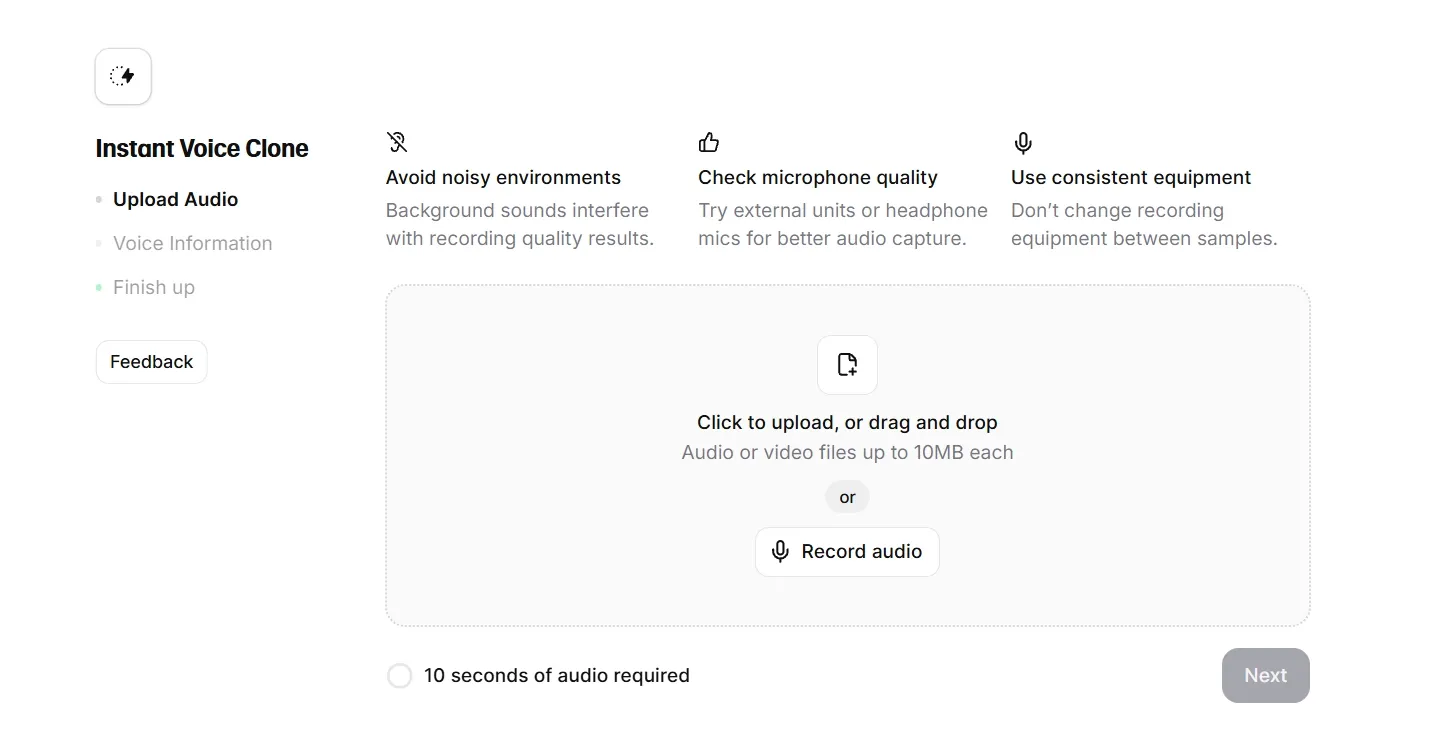
Voice cloning is useful for creators and brands that want one recognizable audio identity across many videos, lessons, or updates.
A YouTuber can keep the same narration style. A course creator can refresh lessons without recording every line again. A brand can maintain a familiar voice across explainers and localized versions.
This is one of ElevenLabs’ clearest long-term advantages. When audience recognition depends on the speaker, consistent cloning matters as much as single-clip quality.
Studio Timeline Editing
Studio is the feature that makes ElevenLabs more useful for actual content work, not only file generation. You can arrange voiceover, captions, music, sound effects, and video on a timeline so audio and visuals line up.
That matters for narrated explainers, training videos, localized content, and story clips. A strong voice still fails if music sits randomly, captions miss the beat, or speech drifts away from the scene.
Studio improves control. It does not fully remove production work. You still shape structure, pacing, and final polish yourself more often than in an agent-led video workflow.
Lip Sync and Talking Visuals
Lip sync helps spoken audio match mouth movement for talking-head clips, character dialogue, and localized re-voices. Paired with strong narration, it makes spoken videos feel more believable than silent AI clips with a voice track dropped on top.
This is useful, but it is still an audio-led enhancement rather than a full presenter or marketing-avatar system. When I want a photo-to-talking-avatar workflow inside a broader video stack, I prefer Van Gogh Studio’s AI avatar path — especially for product explainers and creator-style clips that need more than sync alone.
AI Music, Sound Effects, Captions, and Localization
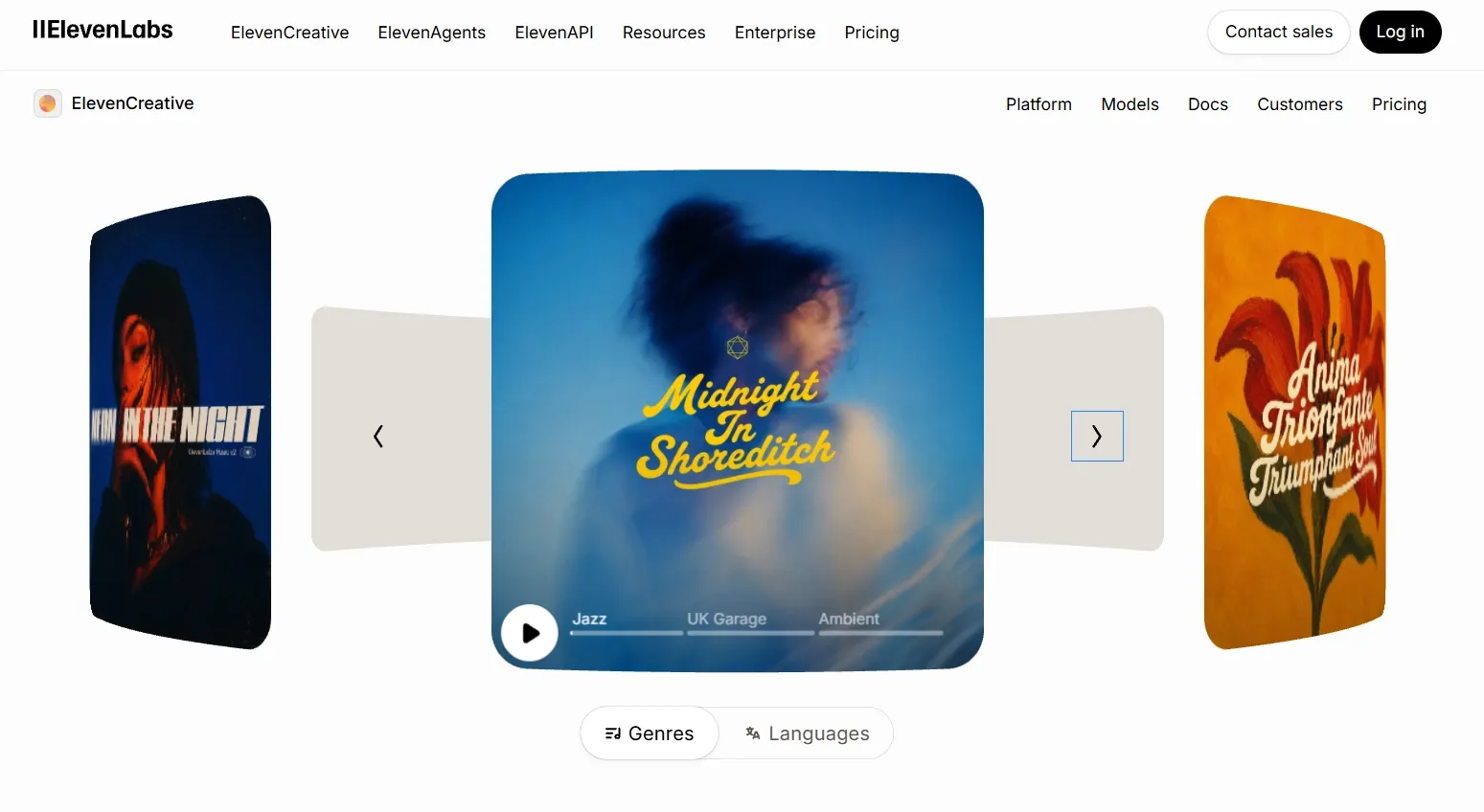
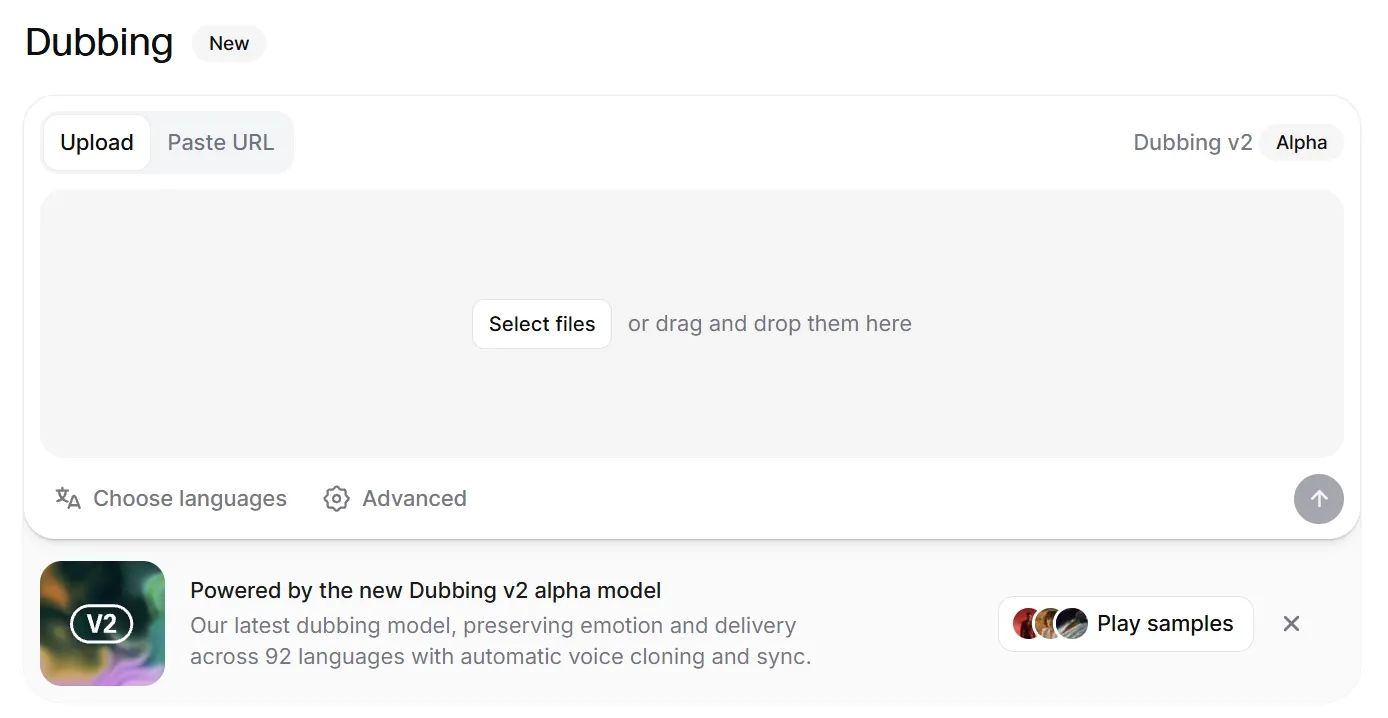
ElevenLabs also supports AI music, sound effects, captions, translated voiceovers, and multilingual speech. These tools help audio-rich videos feel complete: rhythm from music, clarity from SFX, accessibility from captions, and reach from localization.
I can see this helping training videos, product explainers, YouTube narration, social campaigns, and customer education — especially when the same idea needs multiple language versions without rebuilding everything from scratch.
Dubbing and translated speech still need review. Pronunciation, pacing, emotion, and local expression can feel uneven on serious brand or course content before publishing.
Video Generation and AI Voice Agents
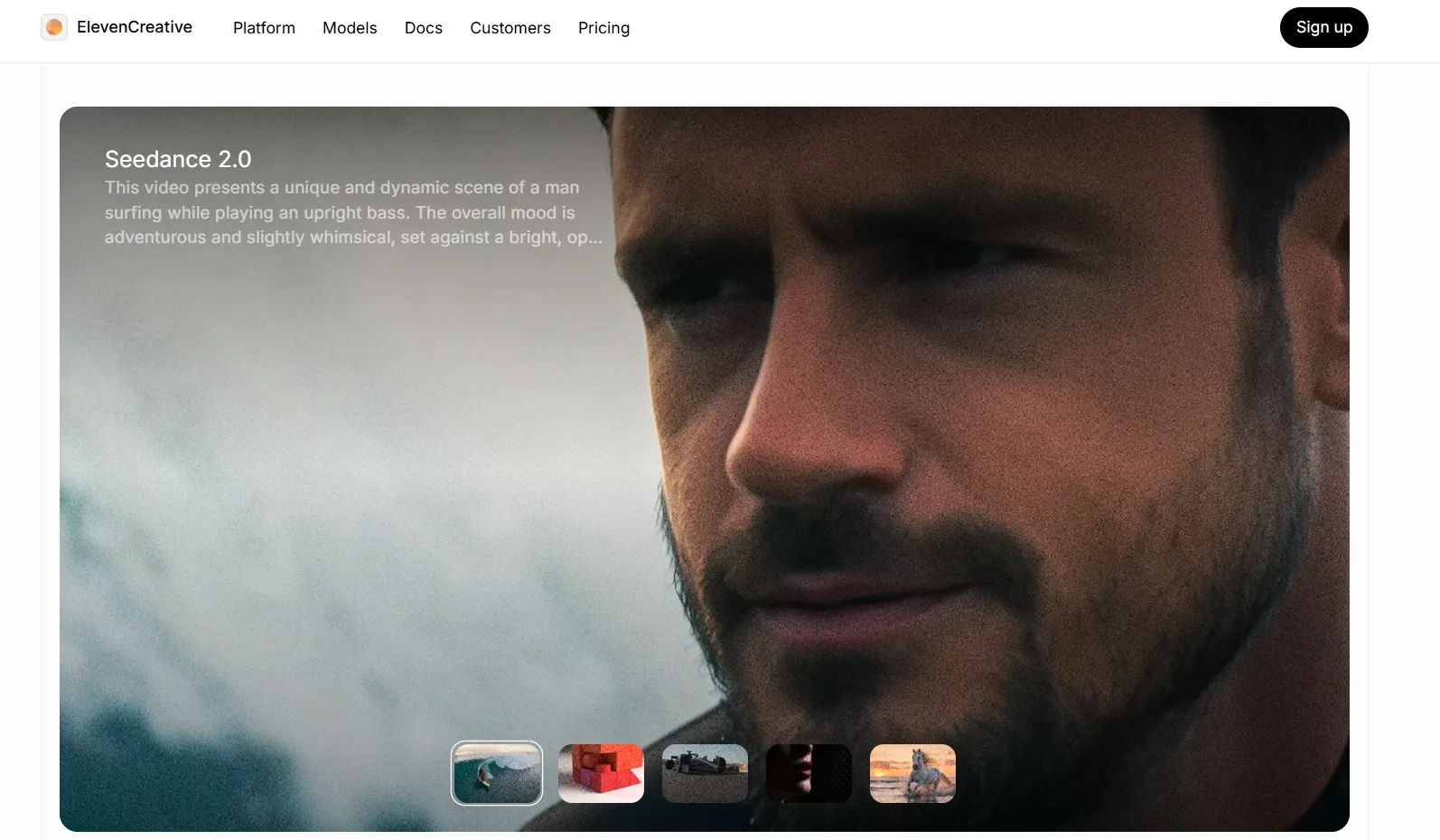
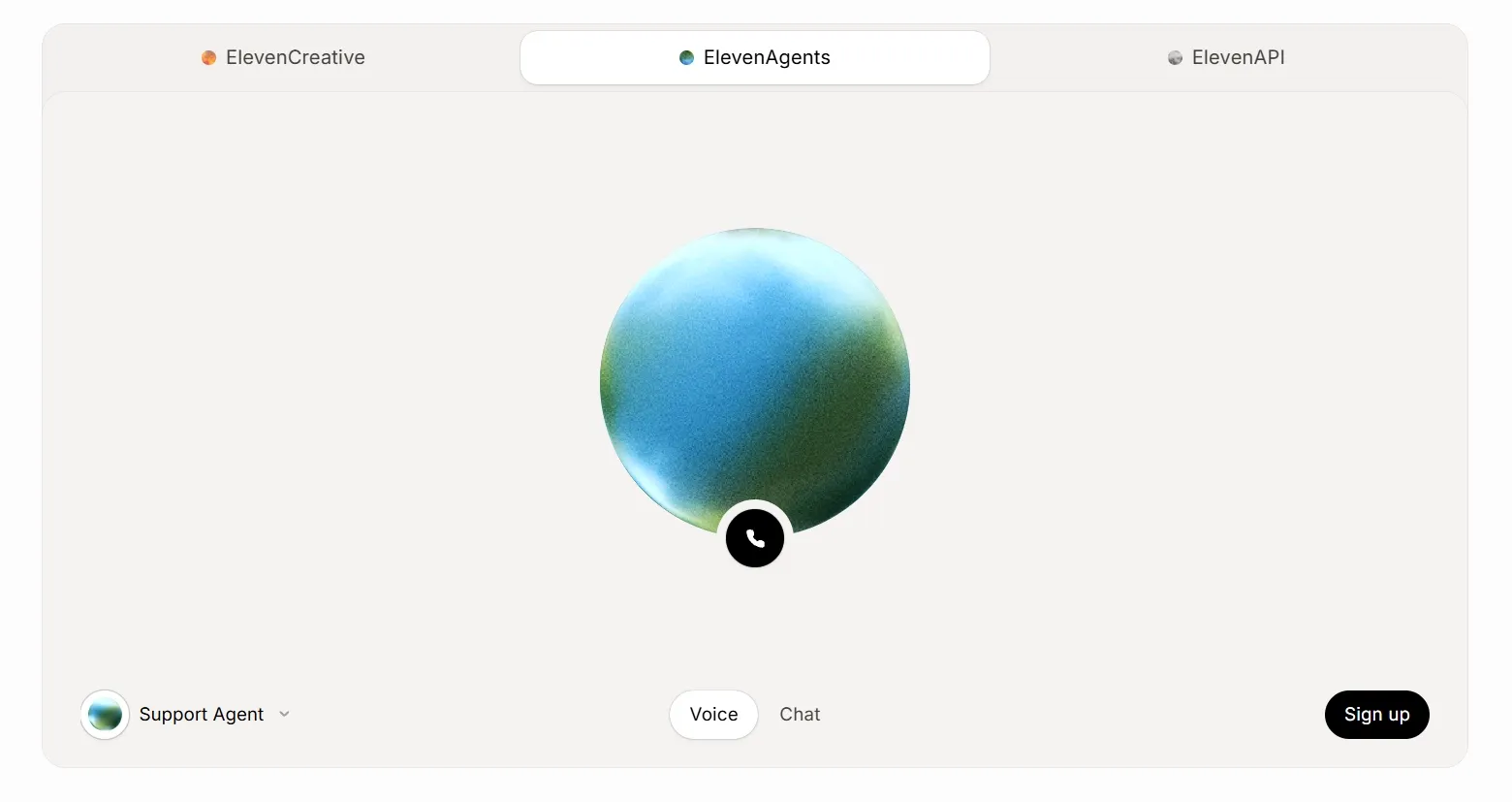
ElevenLabs now supports video creation from text, images, and reference frames, then lets you continue with voice, music, captions, and effects. That is useful for short creative concepts, narrated mood clips, and audio-first social videos.
The stronger part is usually what happens after the clip exists: wrapping strong speech and sound around visuals. The weaker part is campaign structure — product framing, offer flow, hooks, and channel-ready ad formats still feel less direct than a video-first studio.
AI voice agents are a separate strength for business conversations, support, and bookings. They show ElevenLabs is building voice infrastructure beyond creator tools, but they are not a substitute for marketing video production.
Pros and Cons
What I Liked
- Excellent AI voice quality for narration and expressive speech
- Strong text-to-speech controls for tone, pacing, and delivery
- Voice cloning keeps brand or creator narration consistent
- Studio timeline helps sync voice, captions, music, and video
- Lip sync, music, SFX, captions, and localization enrich audio-led clips
- Useful expansion into video and agents without losing the voice core
What Held It Back
- Still feels audio-first, not video-first
- Full video production often needs more manual assembly
- Dubbing and emotional delivery still need careful review
- Not the fastest path for product ads or ecommerce creatives
- Less direct for UGC campaigns and avatar-led marketing clips
- Strong voice output does not automatically mean a finished video
Create Full Videos with Van Gogh Studio Free
Where ElevenLabs Falls Short
ElevenLabs falls short when I need a complete video production workflow, not just better voice and sound around a clip.
Weak Full-Video Planning for Ads and Campaigns
ElevenLabs does not guide full video structure as strongly as a marketing-focused studio. When I need scene planning, product framing, ad hooks, offer flow, and finished campaign formats, I still build much of the direction myself.
That makes the workflow less efficient for UGC ad video, branded product promos, and repeatable social creatives.
Audio Quality Still Needs Brand Review
AI voice can sound realistic on its own and still feel slightly wrong inside an ad, explainer, or training clip. Emotion, pause, emphasis, or brand tone may need another pass before customer-facing publish.
Dubbing Needs Final Cleanup
Translated speech may not fully match original pacing, emotion, or speaking style. For branded videos, courses, or localized campaigns, I would still review pronunciation, rhythm, and expression carefully.
Not Avatar- or Product-Video First
ElevenLabs can help talking visuals through lip sync and video tools, but it is not centered on photo-to-avatar marketing workflows or product-led commerce video. For those jobs, pairing AI avatar creation with broader generation and editing is usually faster.
Real Use Cases
| Use Case | My Take |
|---|---|
| YouTube voiceovers | Strong fit — natural narration and repeatable production |
| Podcasts and audiobooks | Strong fit — long-form speech is a clear strength |
| Training and course narration | Good fit — voice, captions, and localization scale lessons |
| Dubbing and localization | Useful, but final speech and timing still need review |
| Narrated story or social clips | Good fit when audio quality carries the piece |
| Product ads and UGC campaigns | Mixed to weak — voice helps, ad structure is not the core product |
| Talking avatar marketing videos | Better with a dedicated AI avatar workflow elsewhere |
ElevenLabs vs Van Gogh Studio
| Dimension | ElevenLabs | Van Gogh Studio |
|---|---|---|
| Main workflow | Audio-first voice, sound, and narrated content | Full AI video generation, editing, and publish-ready workflows |
| AI voice / TTS | Core product strength with cloning and expressive control | Available via text to speech, plus broader surrounding tools |
| Avatar / talking video | Lip sync and video tools around speech | Stronger photo-to-talking flow via AI avatar |
| Video generation | Expanding, useful for audio-rich clips | Broader text to video and image to video coverage |
| Marketing output | Better for narration than campaign creatives | Stronger with UGC ad video and campaign-ready workflows |
| Editing flexibility | Studio timeline for audio-video sync | Stronger follow-up refinement with the AI video editor |
| Best fit | Creators and teams focused on speech quality | Creators and marketers who need finished AI videos, not only voice |
Why Van Gogh Studio Is a Better ElevenLabs Alternative for Finished Video
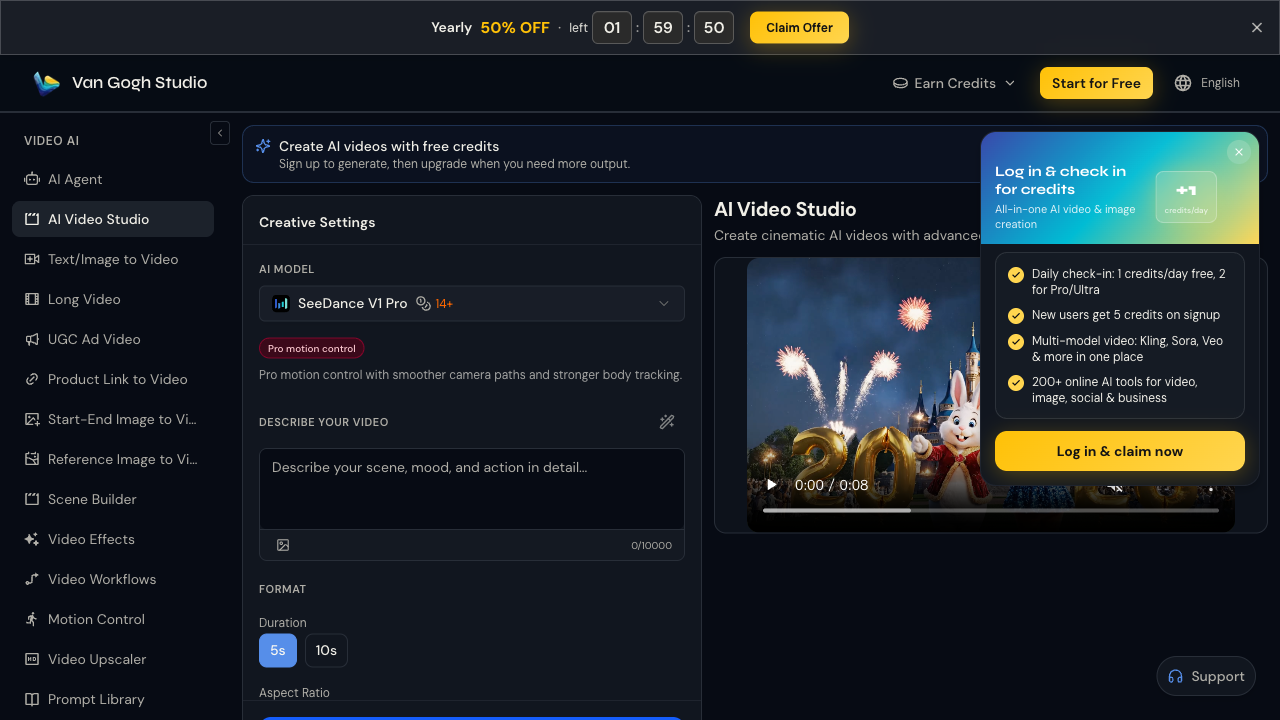
ElevenLabs is excellent when speech is the product. Van Gogh Studio is stronger when I need AI voice inside a complete creative suite — video generation, talking avatars, editing, and campaign formats in one place.
From Voiceover to Finished Video
Van Gogh Studio lets me generate studio-quality voiceovers without a microphone or voice actor, then keep that audio inside the same workflow as visuals, pacing, and edits.
That matters because most content projects need more than narration. They need scenes, product motion, structure, and a final file ready to share. For a lightweight standalone voice path, use free text to speech. For voice that becomes part of a finished video, Van Gogh Studio is more practical.
Avatar Videos When Speech Needs a Face
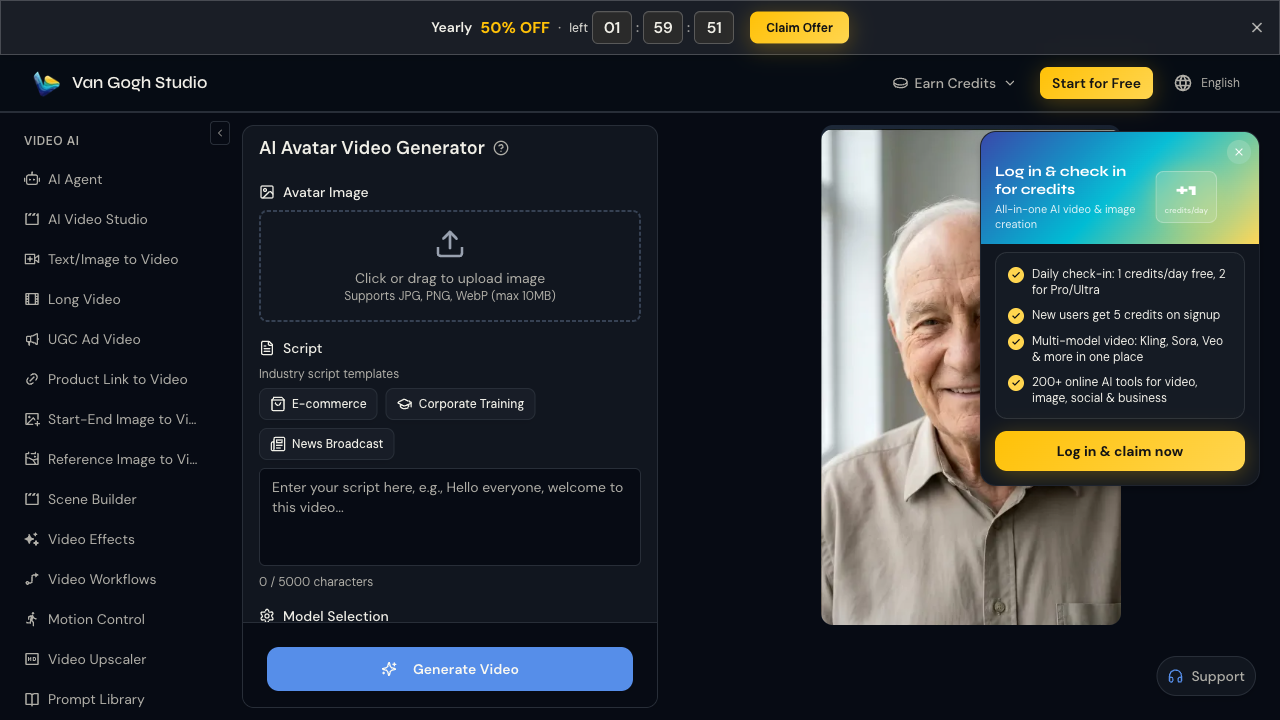
With Van Gogh Studio’s AI avatar video generator, I can turn one photo into a lip-synced talking avatar with natural expressions and gestures — without filming or long avatar training.
The difference is context. I do not want lip sync to be the whole answer. After the presenter clip is ready, I can keep building with text-to-video scenes, product motion, captions, and prompt-based edits instead of stopping at a talking head.
Create Avatar Videos with Van Gogh Studio Free
Post-Ready Videos With Van Gogh Studio Agent
Van Gogh Studio Agent gives a stronger end-to-end production advantage. Instead of generating separate voice, music, and clip pieces and assembling everything manually, it is designed to create structured, production-ready videos with less stitching.
I can start from an idea, text, image, or URL, and the Agent can help handle structure, pacing, visuals, and sound. That makes it more suitable when I want a finished result instead of an audio-enhanced draft.
It also supports more content directions — viral video cloning, UGC ads, story videos, anime videos, music videos, and news-style videos — so the workflow stays adaptable for real publishing tasks.
Create Videos with Van Gogh Studio Agent
Broader AI Video Generation and Campaign Workflows
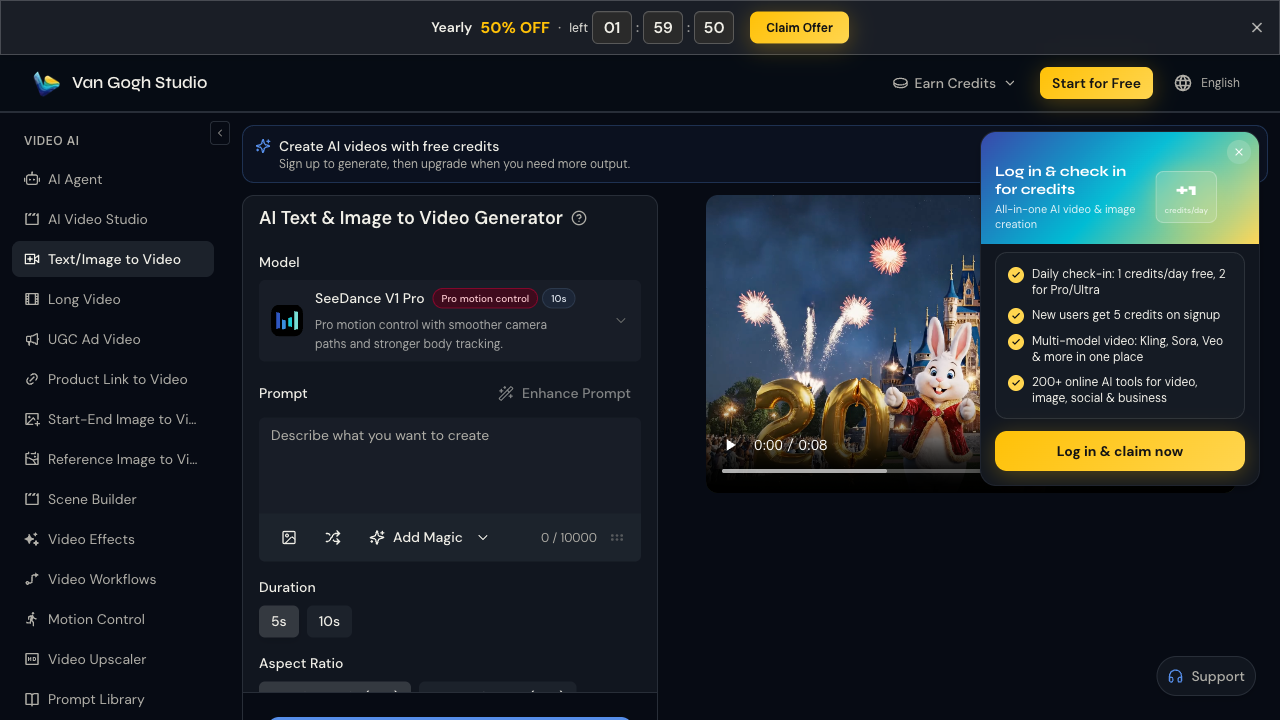
Van Gogh Studio gives me more starting points: text to video for concepting, image to video for product stills, and multi-model access when I want different motion styles. Models such as Veo 3.1, Kling 3.0, and Seedance 2.5 matter when one look is not enough.
For ads, launches, and product promos, I also need hooks, variations, pacing, and channel-ready formats. Van Gogh Studio’s marketing workflows and UGC ad video tools are built for that campaign output, not just a stronger voice track.
Final Verdict: Is ElevenLabs Worth Using?
ElevenLabs is worth using if you need realistic AI voices, voice cloning, voiceovers, dubbing, lip sync, music, sound effects, captions, or AI voice agents. For creators, educators, podcasters, storytellers, and teams that care most about narration quality, that strength is real.
It is less ideal as your only video production platform. Once you need product visuals, ad structure, avatar-led marketing clips, campaign formats, or a more complete path from idea to finished video, the audio-first identity becomes a limit.
Use ElevenLabs when your priority is voice quality. For AI voice plus the full path to publish-ready videos, ads, product content, and creative campaigns, I would choose Van Gogh Studio. If you are comparing options specifically for speech tools, see also our guide to the best ElevenLabs alternatives.
ElevenLabs Review FAQs
Is ElevenLabs good for AI voiceovers?
Yes. ElevenLabs is one of the stronger options for realistic narration, expressive delivery, and consistent voice cloning across YouTube, courses, podcasts, and narrated videos.
Can ElevenLabs create AI videos?
Yes, it has expanded into video generation, lip sync, and Studio editing. Those tools help audio-rich clips feel more complete, but ElevenLabs still feels strongest as an audio-first platform rather than a dedicated marketing video studio.
What is the biggest drawback of ElevenLabs?
For me, the biggest drawback is that strong speech does not equal a finished video workflow. Ads, product visuals, campaign structure, and avatar-led marketing usually need more production support than voice and sync alone.
What is the best ElevenLabs alternative for finished videos?
If you want AI voice plus a complete AI video workflow, Van Gogh Studio is the better alternative. It covers text to speech, AI avatar, multi-model video generation, editing, UGC ads, and longer story videos in one workspace.
Create AI videos free
Try Van Gogh Studio free — text-to-video, image-to-video, and 300+ models in one place. Free credits on signup, no credit card required.
Try Free Video Generator