On this page

Artificial Intelligence has fundamentally transformed the way we create, edit, and consume video content. What used to take days of filming, expensive equipment, and complex editing software can now be accomplished in minutes with just a few text prompts. This comprehensive guide will walk you through everything you need to know about AI video generation in 2026, whether you are a seasoned marketer, a content creator, or a complete beginner.
What is AI Video Generation?
AI video generation refers to the use of artificial intelligence algorithms—specifically deep learning and generative models—to create, edit, or enhance video content. These systems analyze vast amounts of data to understand visual patterns, motion, and context, allowing them to generate entirely new video sequences based on user inputs.
The technology has evolved rapidly. While early iterations could only produce short, low-resolution clips, modern platforms can generate hyper-realistic, high-definition videos with complex narratives and lifelike characters.
How Does AI Video Work?
At its core, AI video generation relies on several interconnected technologies:
- Natural Language Processing (NLP): When you type a prompt (e.g., "A futuristic city at sunset"), the NLP model interprets your text, breaking it down into concepts and visual elements.
- Generative Adversarial Networks (GANs) and Diffusion Models: These are the visual engines. They take the interpreted concepts and generate frames that match the description. Diffusion models, in particular, have become the standard for high-quality video generation by gradually refining random noise into clear images and sequences.
- Temporal Consistency Algorithms: Creating a single image is one thing; creating a video requires temporal consistency—ensuring that objects, lighting, and physics remain stable from one frame to the next.
Types of AI Video Tools
The landscape of AI video tools is vast, but they generally fall into a few main categories:
1. Text-to-Video
This is the most popular category. You provide a written script or a descriptive prompt, and the AI generates a complete video, often including voiceovers, background music, and relevant stock footage or generated scenes. If you are looking to get started quickly, platforms like Van Gogh Studio offer an intuitive, cost-free way to turn your ideas into professional videos in seconds.
2. Image-to-Video
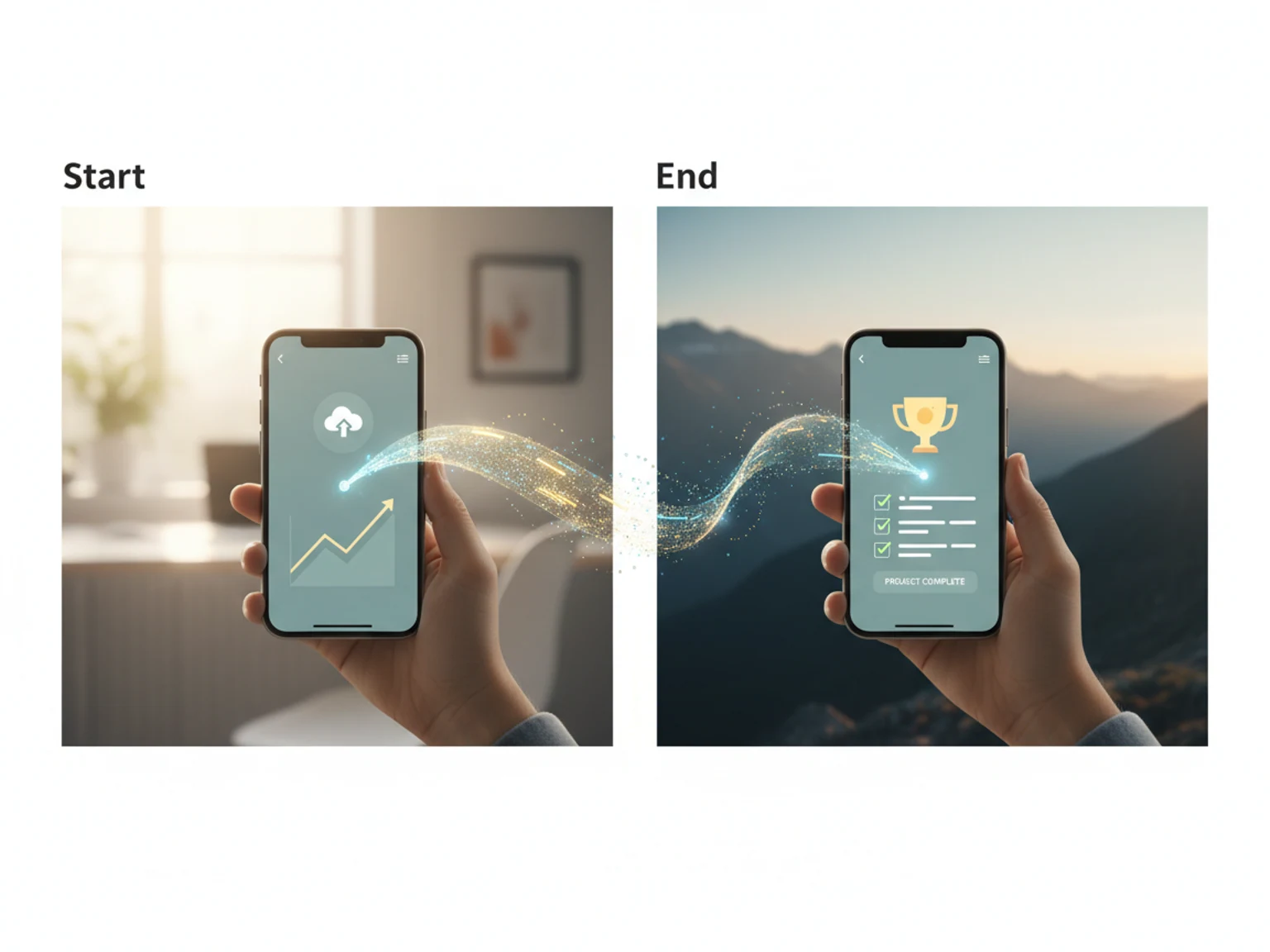
Image-to-video tools take a static image and bring it to life. This could involve animating a portrait, adding motion to a landscape, or creating a 3D parallax effect from a 2D photo.
3. AI Avatars and Presenters
These tools allow you to create videos featuring digital humans. You select an avatar, type your script, and the AI generates a video of the avatar speaking your words with natural lip-syncing and gestures. This is highly effective for corporate training, explainer videos, and localized marketing.
4. Video Editing and Enhancement
AI isn't just for generating content from scratch; it's also revolutionizing post-production. AI editors can automatically remove silences, generate captions, color grade footage, and even reframe videos for different social media platforms.
Why You Should Use AI Video in 2026
The adoption of AI video tools is accelerating for several compelling reasons:
- Cost Efficiency: Traditional video production is expensive. Hiring a crew, renting equipment, and paying for editing can cost thousands of dollars per minute of video. AI tools drastically reduce these costs, making video accessible to everyone.
- Speed and Scale: Content demands are higher than ever. AI allows you to produce videos at a fraction of the time, enabling you to scale your content strategy across multiple platforms simultaneously.
- Accessibility: You no longer need a degree in film production to create engaging content. Intuitive interfaces mean anyone with an idea can become a video creator.
- Personalization: AI enables the creation of personalized video content at scale, allowing marketers to tailor messages to specific audiences or even individual customers.
Getting Started with Free Tools
If you are new to this space, the best way to learn is by doing. You don't need to commit to expensive subscriptions immediately. We highly recommend starting with Van Gogh Studio. It provides a robust set of features without the steep learning curve or the financial barrier to entry, making it the perfect sandbox for your creative ideas.
The Future of AI Video
As we look ahead, the boundaries between AI-generated and human-created content will continue to blur. We can expect even greater realism, more intuitive controls, and seamless integration with other creative tools. The key to success will not just be knowing how to use the tools, but understanding how to tell compelling stories with them.
Embrace the technology, experiment with different platforms, and start creating today. The future of video is here, and it is powered by AI.