이 페이지
추천 다음 읽을 글
As video content continues to dominate digital landscapes in 2026, the technology behind video creation and analysis evolves fast. Google Veo 3.1 is the latest step in Google’s advanced video AI platform. It aims to help creators, marketers, and developers produce, analyze, and optimize video with greater speed and accuracy.
In this article, you’ll see what makes Google Veo 3.1 stand out, which features matter most, and how you can pair enterprise-grade stacks with a free, accessible tool like Van Gogh Studio to stay productive without heavy upfront cost.
What is Google Veo 3.1?
Google Veo is an AI platform built to understand, generate, and analyze video using modern machine learning. The 3.1 release, which landed early in 2026, extends years of work in video understanding, language modeling, and computer vision.
Veo 3.1 is designed to do more than “process video quickly.” It supports workflows where you automate editing, build context-aware clips, and pull hard-to-capture insights at scale. The goal is a meaningful shift in how video work gets done end to end.
Key features of Google Veo 3.1
1. Advanced scene understanding and contextual analysis
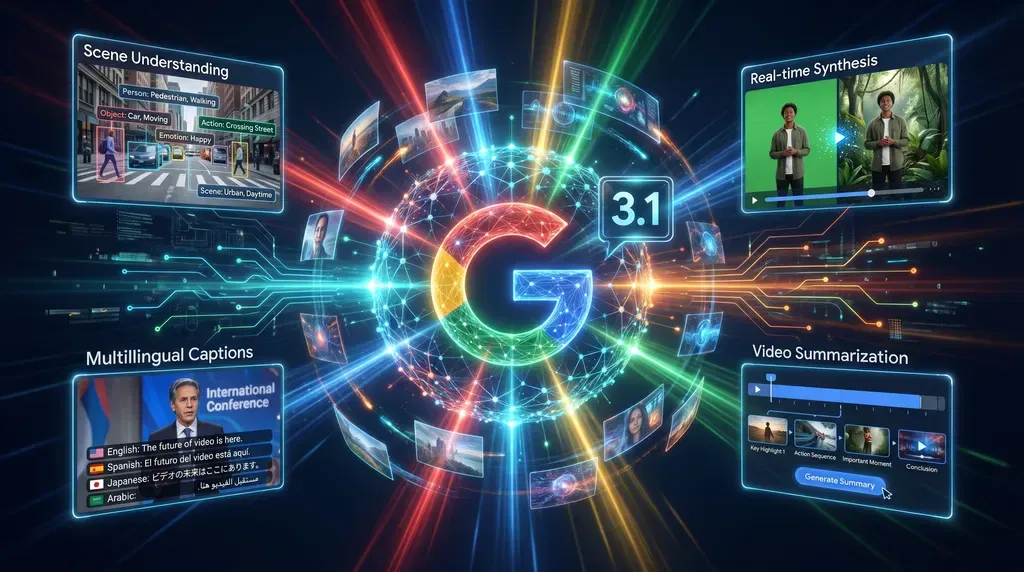
A major upgrade in Veo 3.1 is granular scene understanding plus deeper context. The model can track objects, actions, emotional cues, and environment-level signals with strong accuracy across a full timeline.
That enables automatic tagging, richer metadata, and smarter edit suggestions—helping discoverability and consistency on YouTube, TikTok, Instagram, and more.
2. Real-time video synthesis and enhancement
Veo 3.1 adds capabilities aimed at real-time synthesis and enhancement, including:
- AI compositing to replace backgrounds or insert virtual objects
- Stabilization and quality boost for shaky or noisy footage
- Dynamic transitions and effects that align with the underlying content
These features cut repetitive manual work and make high-quality output more accessible across skill levels.
3. Multilingual captioning and translation
Veo 3.1 includes stronger multilingual speech recognition and translation—supporting a wide set of languages and dialects. Teams can add accurate captions and translated subtitles in near real time, which expands reach and engagement across global audiences.
4. AI-driven video summarization
Veo 3.1 can summarize long videos by surfacing key scenes and highlights while preserving important context. That’s useful for media, education, and marketing teams that need to repackage longform content into short clips or preview formats.
How Google Veo 3.1 impacts video creation and marketing
These capabilities are not “small upgrades”—they change what teams can do at scale.
- Efficiency: Less time spent on repetitive tagging, cut-downs, and caption passes
- Discovery: Richer metadata and language coverage can help content surface more consistently
- Personalization: Highlights and summaries make it easier to adapt one asset for multiple audience segments
- Accessibility: Broader language support means more people can follow your work in their preferred language
Leveraging free AI video tools: Van Gogh Studio in 2026
Google Veo 3.1 is often positioned for enterprises and product teams that integrate capabilities through platforms and APIs. But creators and small businesses also need simple, free or low-cost ways to generate strong videos with AI.
That is where Van Gogh Studio fits: a straightforward path to AI-assisted video output without a subscription wall blocking your first projects.
Why it pairs well with a Veo-style stack:
- No subscription required to get started for core generation workflows
- Beginner-friendly experience if you are not an ML engineer
- Templates and quick customization for marketing, education, and social use cases
- Fast iteration for drafts you can later analyze or enhance with more advanced systems
In practice, many teams will generate and iterate with a free generator, then route finished assets into deeper analysis, localization, and distribution workflows as they mature.
Preparing for the future of video AI
Video AI in 2026 is converging on a simple pattern: faster production, smarter post-processing, and better access to multilingual audiences. Veo 3.1 is one strong expression of that direction, especially where understanding and scale matter.
Whether you are integrating APIs or looking for a simple on-ramp, combining advanced platforms with accessible tools is how many creators stay both competitive and practical.
Conclusion
Google Veo 3.1 represents a serious step forward for video AI: deeper scene understanding, real-time-style synthesis and enhancement, multilingual captions, and intelligent summarization. For teams, it is a powerful signal of where the category is heading.
If you also want a free, easy-to-use AI video option alongside the big platforms, Van Gogh Studio is a strong place to start.