広告なしの体験をご希望ですか?プランをアップグレードしてください。

AI動画


Small businesses often struggle to produce video content consistently. You have product photos, lifestyle shots, and maybe a few behind-the-scenes images, but turning them into engaging videos feels time-consuming and expensive. Hiring a video editor or learning complex software isn't practical when you're juggling operations, customer service, and marketing.
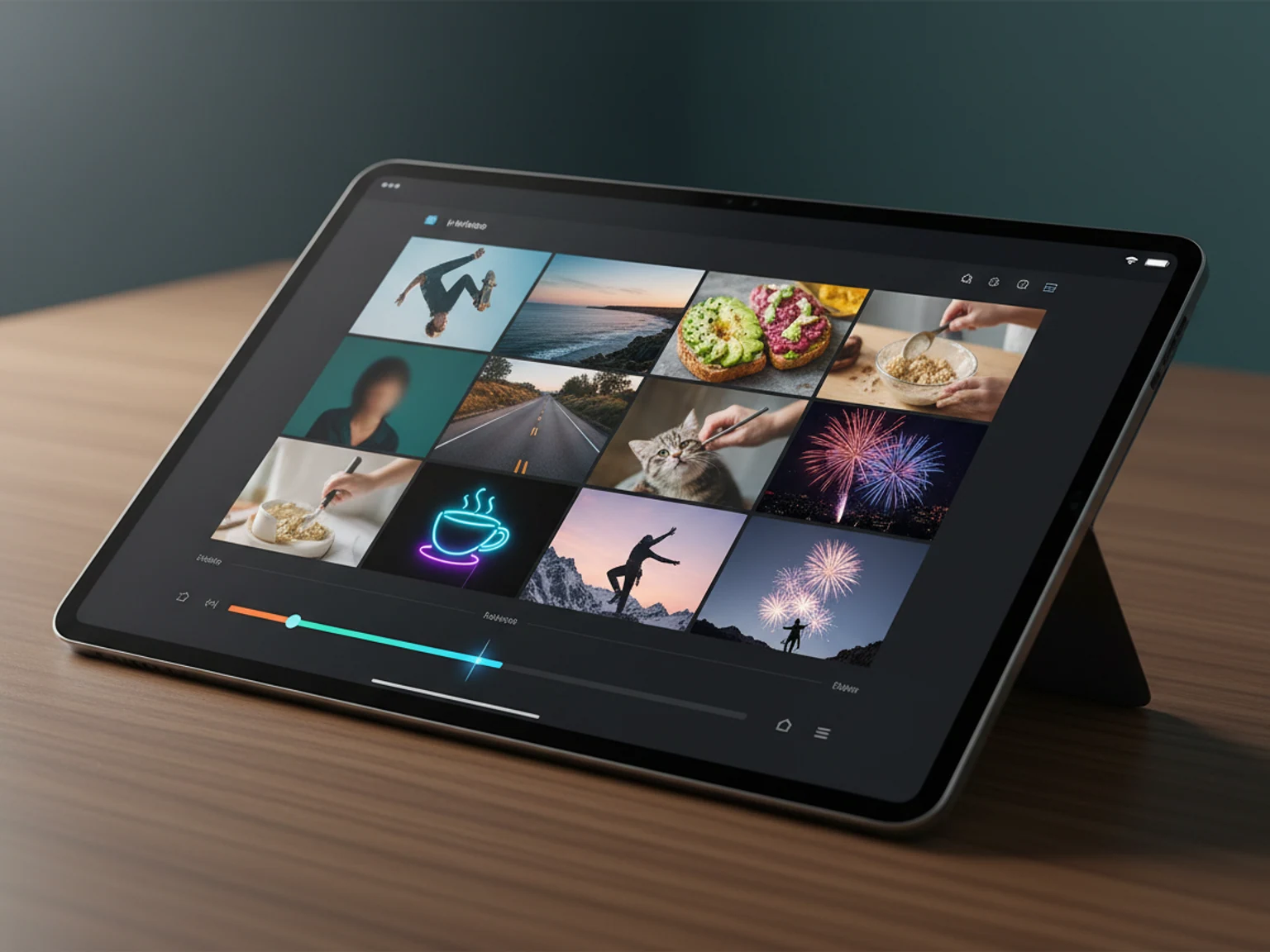
The good news: modern AI tools can turn a single image into a short video clip in minutes. This guide walks through a practical image-to-video editing workflow that fits into a busy small business schedule. You'll learn how to select the right images, craft effective prompts, generate clips, and assemble them into a polished video—all without a dedicated video editor.
Traditional video production requires a camera crew, actors, and editing software. For a small business, that's often overkill. Image-to-video lets you repurpose assets you already have. A product photo becomes a dynamic shot with subtle motion. A lifestyle image turns into a short ad clip. This approach saves time and money while keeping your brand consistent.
Compared to text-to-video, image-to-video gives you more control over the starting point. You decide the composition, lighting, and subject. The AI then animates it, adding movement that feels natural. This is especially useful for e-commerce, where product accuracy matters.
Here's a repeatable workflow using the AI Text & Image to Video feature on Van Gogh Studio (FreeVideoGenerator).
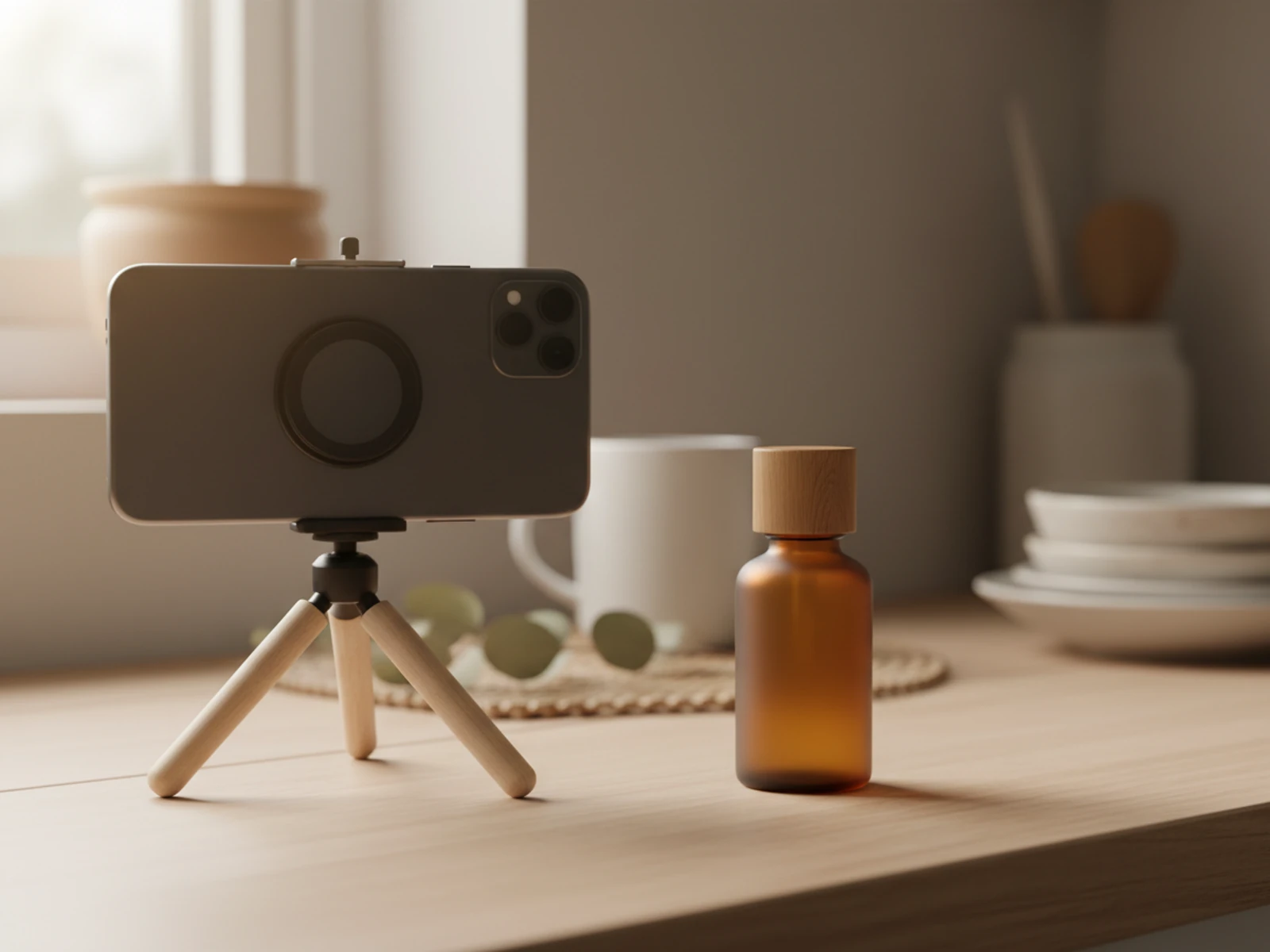
Start with high-resolution images that clearly show your product or subject. Avoid cluttered backgrounds or heavy text overlays—the AI works best with clean, focused subjects. For product shots, use images with consistent lighting and a simple background. If you're using lifestyle images, ensure the main subject is prominent.
The prompt tells the AI how to animate the image. Be specific about the type of movement you want. For example, instead of "make it move," try "slow zoom in on the product with a gentle pan to the right." Describe the mood and any camera movements. Here are a few templates:
Upload your image to the AI Text & Image to Video tool. Paste your prompt, select a model (availability varies—check the live selector), and set your desired duration and aspect ratio. The platform uses credits per video (typically around 10 credits, but costs vary by model and settings). New accounts get 21 signup credits, so you can test the workflow without a credit card.
Click generate and wait for the clip to render. The time depends on the model and server load, but it's usually a few minutes.
Once the clip is generated, review it for quality. Does the motion look natural? Is the product still recognizable? If not, tweak your prompt or try a different model. Sometimes a simpler prompt works better. Don't be afraid to regenerate—credits are used per attempt, so be mindful but don't hesitate to iterate.
For a longer video, generate several clips from different images and prompts. Then, use any video editor (even free ones) to combine them. Add transitions, background music, and text overlays. This is where you can create a brand story: opening shot, product close-up, lifestyle scene, and a call-to-action.
If your clips look a bit soft, use the video upscaler to improve resolution. This is especially useful if you plan to post on larger screens or want a more professional finish. The upscaler can also help if your source images were low-res.
Once you're happy with the final video, export it in the appropriate format for your platform. Most platforms accept MP4. Then, schedule your posts or upload directly to social media, your website, or email campaigns.
Parameter tips:
Ready to turn your product photos into engaging videos? Try the AI Text & Image to Video tool on Van Gogh Studio (FreeVideoGenerator) for free. With 21 signup credits, you can test the workflow without a credit card. Start creating today: AI Text & Image to Video.