想要无广告体验?升级套餐即可。

AI 视频


Podcasters know the struggle: you record a great episode, but turning it into engaging video content feels like a second job. You could manually cut clips, add captions, and stitch them together—but that eats hours. In 2026, the smarter move is using a dedicated long video generator that can turn your podcast into a cohesive, watchable video without the manual grind.
In this guide, I’ll walk you through a practical workflow using Van Gogh Studio (FreeVideoGenerator) and its Long Video feature. You’ll learn how to repurpose a podcast episode into a long-form video, complete with visuals, transitions, and a narrative flow—all from one tool.
You have two main options for turning podcast audio into video:
For most podcasters, the AI route wins because it frees up time for creating more content. Van Gogh Studio’s Long Video feature is designed for exactly this: it takes your narrative and builds a longer video (beyond a single short clip) with multiple scenes and a coherent storyline.
Here’s a repeatable process you can use for every episode. It takes about 30 minutes once you get the hang of it.
Start by pulling the key talking points from your podcast episode. You don’t need a full transcript—just a bullet-point outline of the main segments. For example, if your episode covers “5 Productivity Hacks,” list each hack as a separate scene.
Pro tip: Use your episode’s show notes as a starting point. They usually already have the structure.
For each segment, write a short script (2-3 sentences) that captures the essence. This script will be used to generate the video scenes. Keep it conversational, as if you’re speaking to a friend.
Example script for a scene: “In this segment, we break down the Pomodoro technique—a simple way to boost focus by working in 25-minute sprints.”
Go to Van Gogh Studio’s Long Video page and click “Create” to start a new project. You’ll see options to input your script or outline.
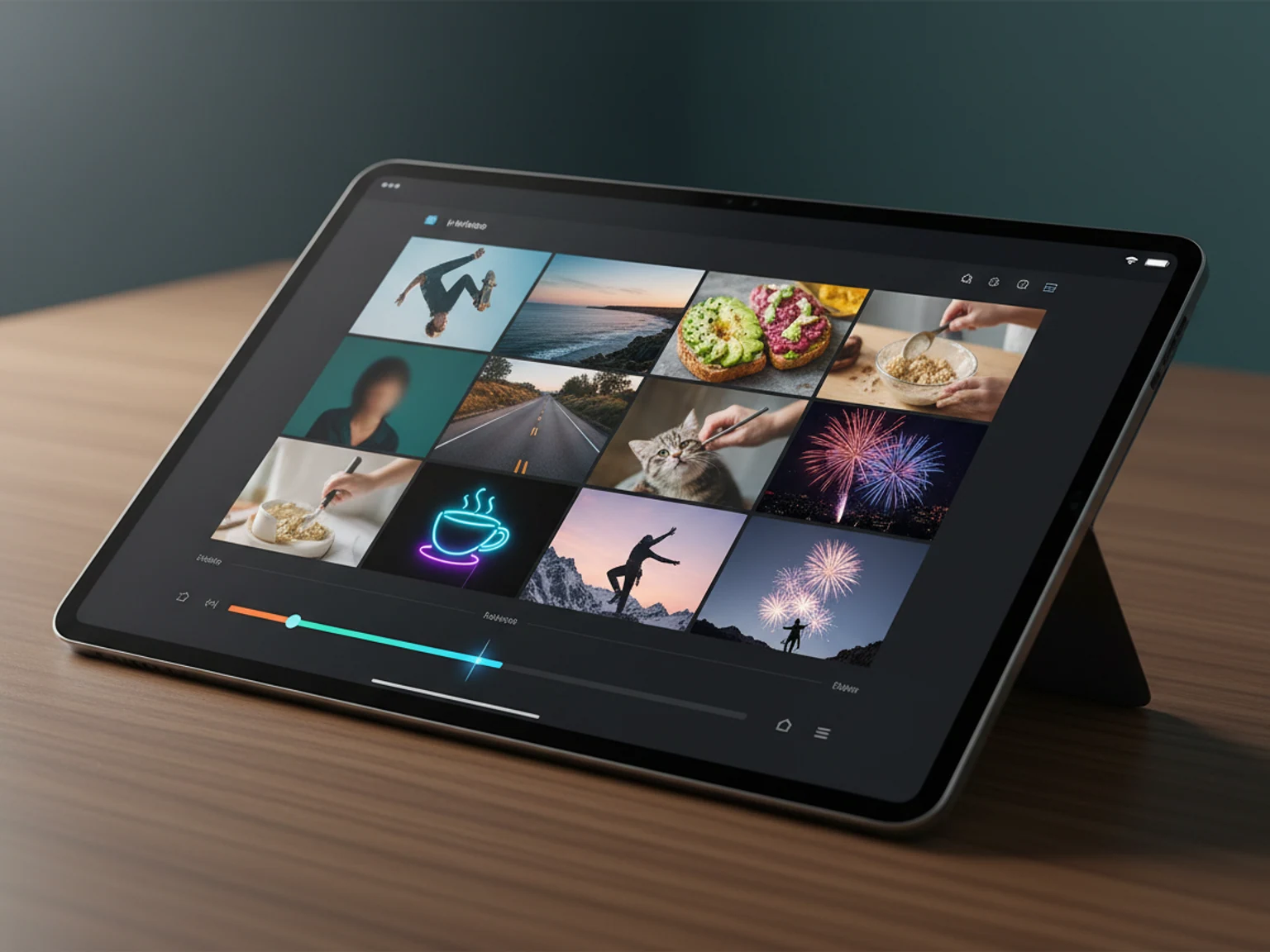
Paste your scene scripts into the provided text area. Then, select a visual style that matches your brand—whether it’s a clean corporate look, a vibrant vlog style, or something more cinematic. The tool will generate scenes based on your text.
Note: The exact style options and parameters may vary, so check the live model selector for what’s available.
Once the initial video is generated, review each scene. You can tweak the text, change the visual style, or reorder scenes to improve flow. This is your chance to add personal touches, like a specific color scheme or on-screen text.
If you want to use the original podcast audio, you can upload it and sync it with the video. Alternatively, you can use the platform’s text-to-speech to generate a voiceover from your script. For a more authentic feel, I recommend using your own audio.
Once you’re happy with the video, export it in your desired resolution and aspect ratio. Then, upload it to YouTube, social media, or your website. The whole process takes less time than manual editing.
To get the best results, use specific prompts that guide the AI. Here are a few templates you can adapt:
Parameter tips:
While the Long Video feature is your primary tool, Van Gogh Studio offers other features that can complement your podcast video strategy:
Ready to turn your podcast episodes into engaging long-form videos without the manual hassle? Van Gogh Studio’s Long Video feature is free to start—new accounts get 21 signup credits, no credit card required. Head over to Van Gogh Studio’s Long Video page and create your first video now.
免费 AI 工具,从灵感到发布一气呵成——选一个工具,几分钟就能开做。