想要无广告体验?升级套餐即可。

AI 视频


TikTok ads live or die by motion. A static product shot gets scrolled past; a video with subtle camera movement, a product rotating, or a background that shifts keeps eyes on the screen. But not every brand has the time or budget to shoot custom footage. That's where AI image-to-video comes in: you upload a product or lifestyle image, add motion control, and get an ad-ready clip in minutes.
This guide walks you through a practical workflow using Van Gogh Studio (FreeVideoGenerator) to turn a single image into a TikTok ad with controlled motion. You'll learn the exact steps, prompts, and pitfalls so you can produce scroll-stopping creatives without a film crew.
TikTok's algorithm favors videos that hold attention for at least a few seconds. Motion is the easiest way to do that. Instead of a static image, you can:
With motion control, you're not just generating a video; you're directing the camera. This is crucial for ads because you want the viewer's eye to follow a specific path—toward your product, your logo, or your call-to-action.
You could hire a video editor or use complex software like After Effects to animate a still image. That's time-consuming and expensive. AI image-to-video tools let you do it in minutes, often with a simple text prompt or by dragging a slider.
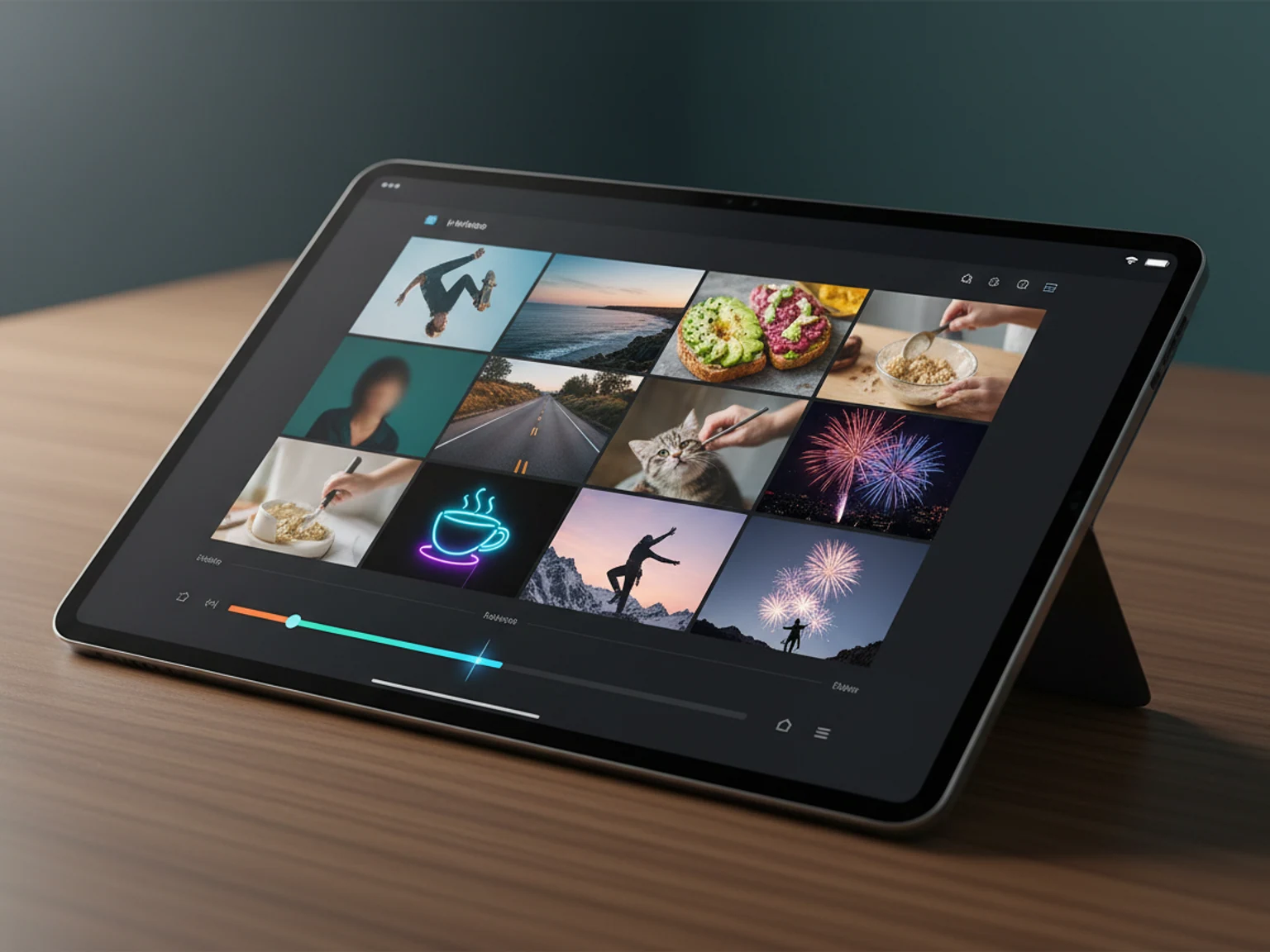
Van Gogh Studio's AI Text & Image to Video feature supports multiple models (like Kling, Sora 2, Veo 3.1, Runway, and more), so you can choose the one that best fits your style and budget. The platform also has a dedicated Motion Control tool that lets you fine-tune camera movements.
Here's how to go from a static image to a motion-controlled video ad on Van Gogh Studio.
Start with a high-quality image. For product ads, use a clear shot with good lighting. For lifestyle ads, choose an image with a clear subject and some background space to allow for movement.
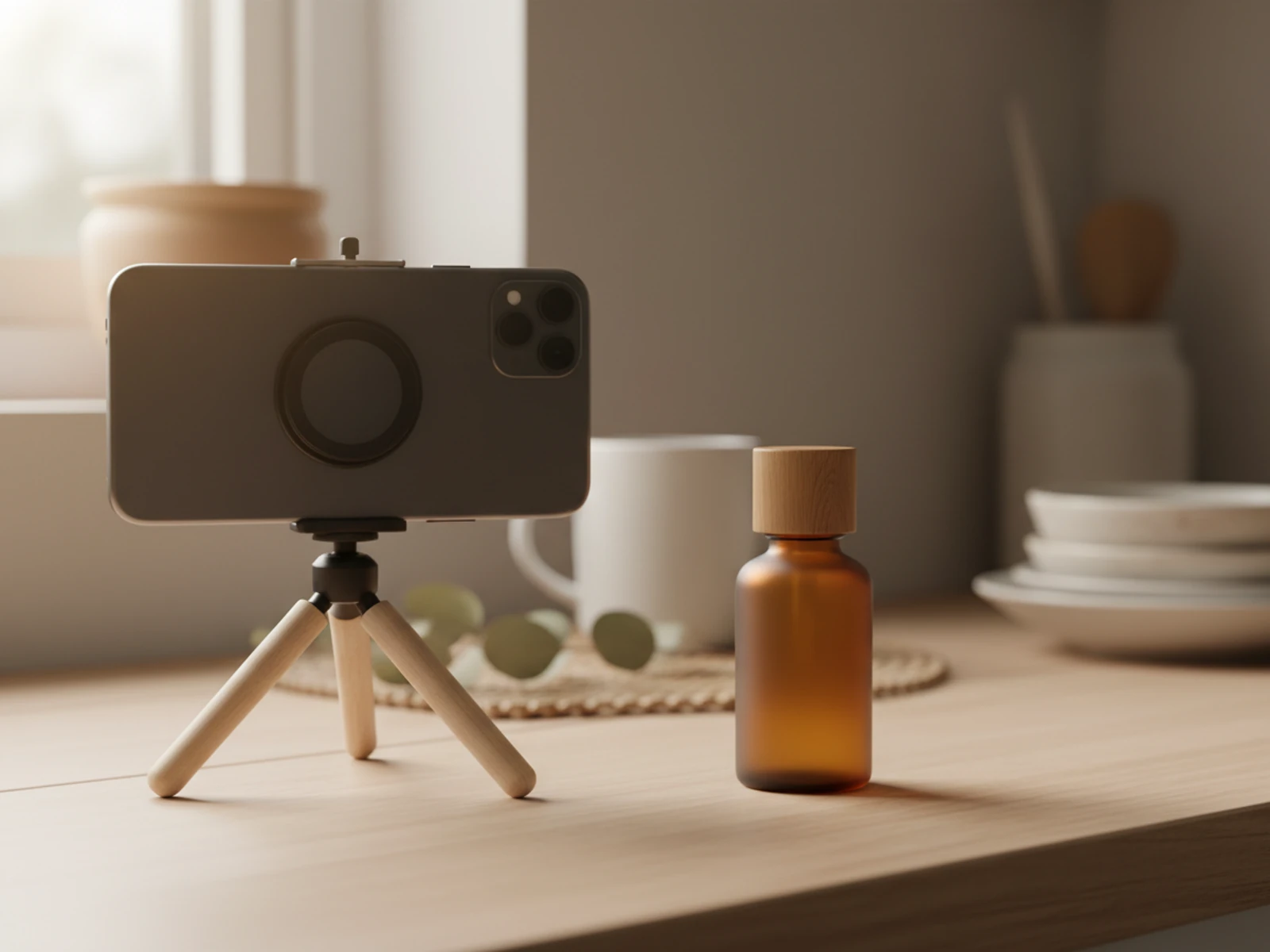
If you don't have a suitable image, you can generate one using the AI Image Generator. For example, prompt: "Professional product photo of a skincare bottle on a clean white background, studio lighting, high detail."
Go to the AI Text & Image to Video page. Upload your image. You'll see options to add a text prompt and adjust settings.
Your prompt should describe both the content and the motion. For TikTok ads, keep it simple and direct. Here are some examples:
If you want more control, use the Motion Control tool. This lets you set keyframes or choose from presets like zoom, pan, tilt, or rotate. You can specify the direction, speed, and intensity. This is especially useful for ads where you need the camera to end on a specific element, like a logo.
Click generate. The video will be created in a few minutes (exact time depends on the model and settings). Review the output. If the motion isn't right, tweak the prompt or motion settings and regenerate.
Once you have a video you like, you can use the Video Upscaler to improve resolution and sharpness, making it look more professional on TikTok. This is a quick win for ad quality.
Download the video. You can then add text overlays, music, and captions in TikTok's editor or any video editing app. Keep your ad under 15 seconds for best performance.
Here are some prompts you can adapt for different types of TikTok ads:
Parameter tips:
Ready to turn your images into motion-controlled TikTok ads? Try Van Gogh Studio's AI Text & Image to Video tool for free—new accounts get 21 credits with no credit card required. Generate your first ad in minutes and see the difference motion makes. Start creating now.
免费 AI 工具,从灵感到发布一气呵成——选一个工具,几分钟就能开做。